
Charlie Chaplin
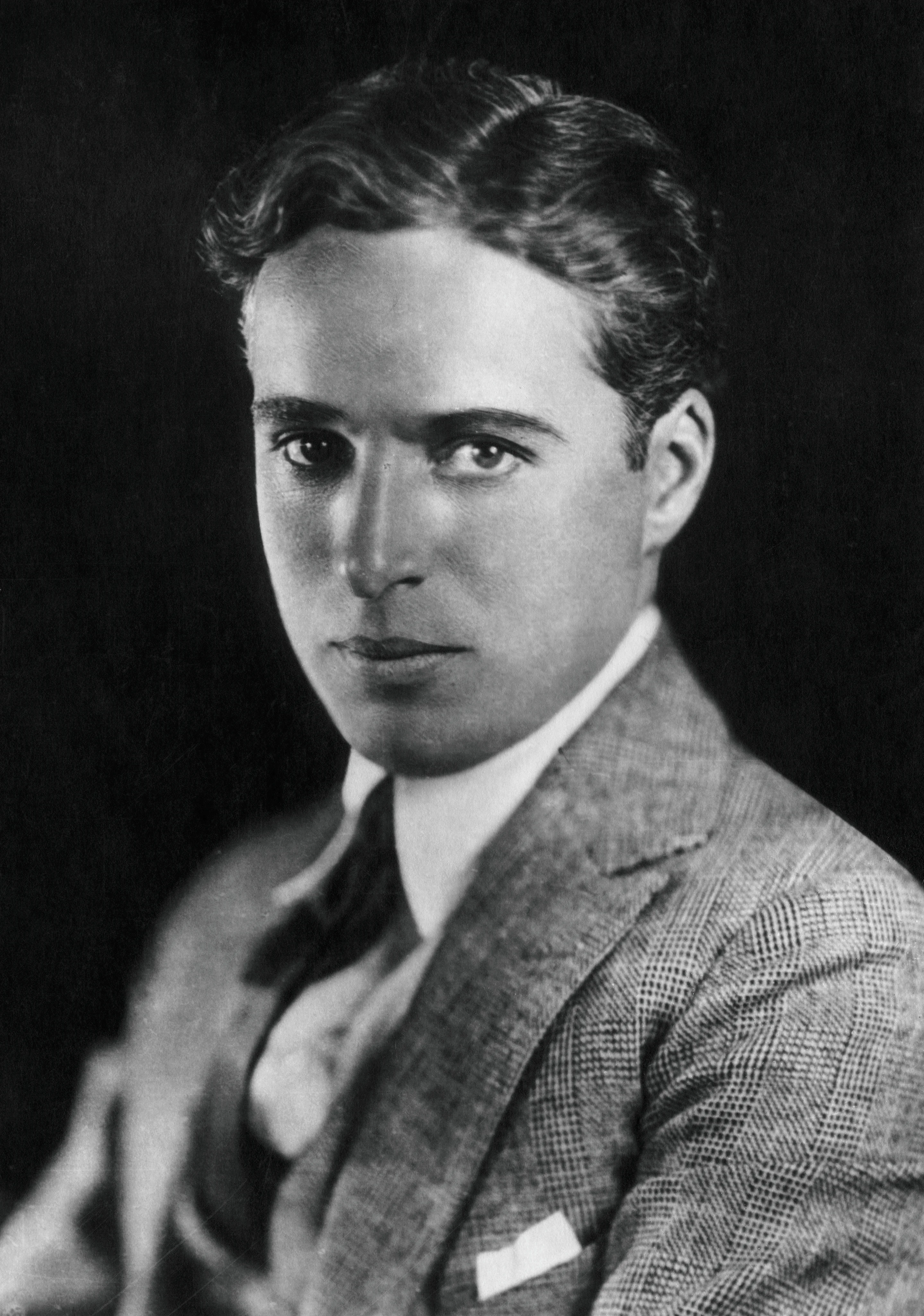
Image from Wikipedia
Image from Wikipedia
Charlie Chaplin: The Immortal Tramp Between Slapstick, Social Critique, and Cinematic Magic
A global movie star whose art resonates to this day
Charlie Chaplin is one of the defining figures in film history: as a British comedian, actor, director, screenwriter, film editor, composer, and producer, he shaped cinema not just as entertainment but as a global art form. Born on April 16, 1889, in London, and passing away on December 25, 1977, in Corsier-sur-Vevey, he became the first global superstar of the medium and a legend who combined slapstick with melancholy, social critique, and human warmth. ([en.wikipedia.org](https://en.wikipedia.org/wiki/Charlie_Chaplin?utm_source=openai))
His most famous character, the "Tramp," became an icon of the 20th century: donning a bowler hat, a cane, oversized trousers, a tight jacket, and with his unmistakable walk that straddles dignity and fragility. Chaplin transformed the character into a poetic reflection of modernity, where laughter and pain, comedy and poverty, wit and dignity are inseparable. ([en.wikipedia.org](https://en.wikipedia.org/wiki/Charlie_Chaplin?utm_source=openai))
From London Music Halls to the International Stage
Chaplin's artistic career began early in the music halls of London, where he performed as a child and learned the mechanics of audience engagement, timing, and stage presence. Even before World War I, he toured the USA and came into contact with the emerging American film industry, which quickly recognized his talent and paved the way for him in silent films. ([en.wikipedia.org](https://en.wikipedia.org/wiki/Charlie_Chaplin?utm_source=openai))
These early experiences shaped his style: precise body language, rhythmic comedy, and an instinct for the emotional impact of a single gesture. The transition from vaudeville to film for Chaplin was not a break but rather a refinement of his art, creating a new, universal expression from popular entertainment. ([en.wikipedia.org](https://en.wikipedia.org/wiki/Charlie_Chaplin?utm_source=openai))
The Breakthrough in Hollywood and the Birth of an Icon
In the early silent film comedies, Chaplin quickly became a favorite among audiences and one of the key driving forces behind the rising Hollywood scene. His films combined fast-paced slapstick with a social perspective, distinguishing him from many contemporaries and establishing a distinctive cinematic signature that remained instantly recognizable. ([en.wikipedia.org](https://en.wikipedia.org/wiki/Charlie_Chaplin?utm_source=openai))
In 1919, he co-founded United Artists with Mary Pickford, Douglas Fairbanks, and David Wark Griffith, marking a milestone for the artistic independence of filmmakers. This secured not only control over production and distribution but also extraordinary freedom in the design, tone, and dramaturgy of his works. ([en.wikipedia.org](https://en.wikipedia.org/wiki/Charlie_Chaplin?utm_source=openai))
The Tramp as a Mirror of Society
Chaplin's art thrives on connecting the comedic with serious and tragic elements. His characters stumble not just through doors and over everyday objects but also through social inequality, loneliness, hunger, and the harshness of industrial modernity. It is precisely in this tension that the emotional depth arises, making his films so effective to this day. ([en.wikipedia.org](https://en.wikipedia.org/wiki/Charlie_Chaplin?utm_source=openai))
The official Chaplin site continues to emphasize the significance of his works through film concerts, restorations, and curated content related to biography, films, songs, and speeches. The fact that his films are still presented as cultural events demonstrates how strongly his visual language and comedic rhythm resonate in the present. ([charliechaplin.com](https://www.charliechaplin.com/))
Chaplin as a Composer: Music, Rhythm, and Emotional Precision
Chaplin was not only a visual artist but also a musician of cinema. The official website dedicates a section to him as a composer and refers to his songs and spoken texts, including the famous "Smile" and the "Final Speech" from The Great Dictator. His work shows how closely montage, timing, and musical structure were intertwined for him. ([charliechaplin.com](https://www.charliechaplin.com/))
Especially in his later works, Chaplin’s relationship with film music increasingly became a dramatic instrument. Decades after his active career, his compositions, arranged scores, and themes are performed in concert halls, ballet productions, and film series, highlighting the lasting significance of his musical legacy. ([charliechaplin.com](https://www.charliechaplin.com/en))
Key Works, Style Development, and Cinematic Legacy
Chaplin's central films include The Circus, City Lights, Modern Times, and Limelight, which are particularly highlighted on the official website. These titles mark different phases of his artistic development: from perfected slapstick to the mature, melancholic late style, in which the Tramp character increasingly becomes a vessel of existential feelings. ([charliechaplin.com](https://www.charliechaplin.com/))
His work has permanently influenced cinema because it combined narrative clarity with formal discipline. Chaplin not only worked in front of the camera but also controlled editing, direction, and music, granting him a rare totality as a filmmaker and making him one of the most significant auteur figures in film history. ([en.wikipedia.org](https://en.wikipedia.org/wiki/Charlie_Chaplin?utm_source=openai))
Awards, Recognition, and Cultural Authority
The late honor of his lifetime achievement reflects the magnitude of his impact: in 1972, Chaplin returned to the USA for the first time to accept an honorary Oscar. He had already been awarded for The Circus in 1929, and in 1973, he received another Oscar for Best Original Score for Limelight. The American Film Institute also ranked him among the top 10 greatest male U.S. film legends. ([en.wikipedia.org](https://en.wikipedia.org/wiki/Charlie_Chaplin?utm_source=openai))
Cultural history also categorizes Chaplin as one of the key architects of world cinema. His career epitomizes artistic independence, technical control, and the ability to reach broad audiences with demanding, often silent art. ([en.wikipedia.org](https://en.wikipedia.org/wiki/Charlie_Chaplin?utm_source=openai))
Exile, Return of Works, and Current Relevance
After the McCarthy era, Chaplin was denied re-entry to the USA in 1952; he continued his work in Europe and eventually settled in Switzerland. The official website currently refers to a new ARTE documentary project about Chaplin and the Manoir de Ban, as well as a planned ballet production based on City Lights for 2026, where the music will be adapted live-orchestral. This demonstrates that Chaplin remains not only a historical symbol but an active point of reference for contemporary cultural projects. ([charliechaplin.com](https://www.charliechaplin.com/en))
This enduring presence is particularly remarkable. An artist from the silent film era still shapes programs, repertoire, museum work, and film historical debates—a rare sign of true cultural permanence. ([charliechaplin.com](https://www.charliechaplin.com/en))
Conclusion: Why Charlie Chaplin Still Captivates Today
Charlie Chaplin remains fascinating because he understood comedy not as a mere effect but as a human truth. His art is moving, precise, and universal, as it connects laughter with dignity, pain, and empathy. Experiencing Chaplin means witnessing not just film history but the emergence of an expression that feels contemporary even today. ([en.wikipedia.org](https://en.wikipedia.org/wiki/Charlie_Chaplin?utm_source=openai))
Those who watch his films on the big screen, in restored versions, or in the context of live film concerts immediately understand why Chaplin is regarded as the first global star of cinema. His work belongs to those rare cultural achievements that should not only be known but experienced live. ([charliechaplin.com](https://www.charliechaplin.com/))
Official Channels of Charlie Chaplin:
- Instagram: https://www.instagram.com/charliechaplinofficial
- Facebook: https://www.facebook.com/CharlieChaplinOfficial
- YouTube: https://www.youtube.com/channel/UCe7sQfrqTHc-hWXdenf7VxQ
- Spotify: No official profile found
- TikTok: No official profile found
Sources:
Upcoming Events
Chaplin in Concert I: The Fireman
Theater Open Air: Gold Rush