
Jörg Skriebeleit
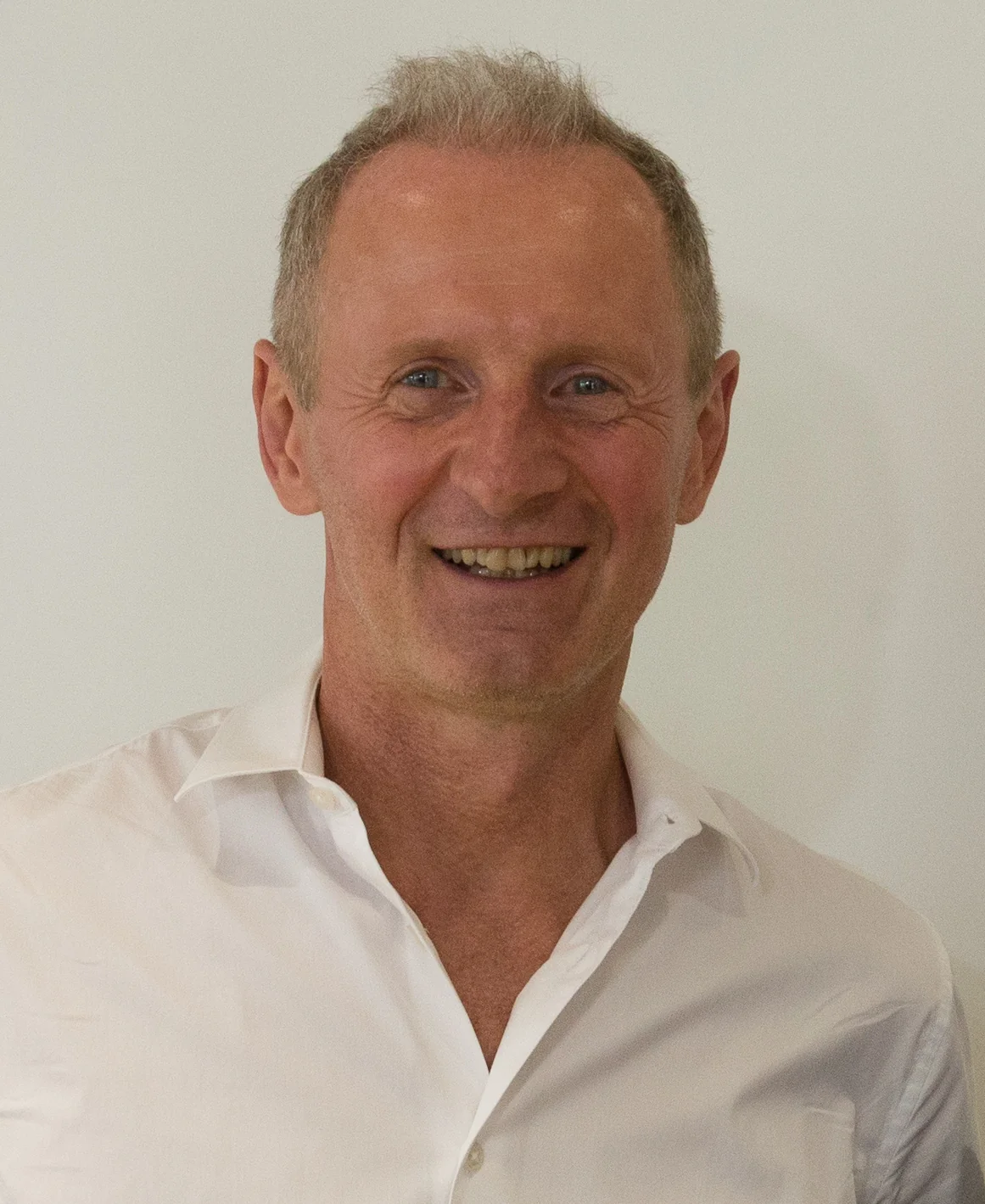
Image from Wikipedia
Image from Wikipedia
Jörg Skriebeleit: Cultural Studies, Culture of Remembrance, and the Defining Voice of Memorial Work
A Precise Portrait of a Historian Who Translates Memory into Public Responsibility
Jörg-Ulrich Skriebeleit, born in 1968 in Vohenstrauß, is one of the important voices in the German culture of remembrance. He is a cultural scientist, director of the Flossenbürg Concentration Camp Memorial, and founding director of the Center for Culture of Remembrance at the University of Regensburg. His work combines scientific precision with institutional design power and shapes the discourse on memorial work far beyond Bavaria. ([de.wikipedia.org](https://de.wikipedia.org/wiki/J%C3%B6rg_Skriebeleit?utm_source=openai))
Biographical Foundations: Origins, Research, and Institutional Responsibility
The biographical data reveal an academic who has committed himself early and consistently to cultural studies and historical education. Since 1999, he has led the Flossenbürg Concentration Camp Memorial; the University of Regensburg later honored his work with an honorary professorship that became effective in 2020. His research focuses on the culture of remembrance and memorial work, precisely in that tension between science, ethics, and social responsibility. ([wallstein-verlag.de](https://www.wallstein-verlag.de/autoren/joerg-skriebeleit.html?utm_source=openai))
His role becomes particularly visible where concrete institutions emerge from scientific analysis. The Flossenbürg Concentration Camp Memorial and the University of Regensburg have cooperated closely for years; Skriebeleit played a leading role in establishing the Center for Culture of Remembrance, which consolidates memorial work for the victims of National Socialist tyranny and the fight against anti-Semitism. Thus, his name stands for a form of cultural work that not only documents but also structures, mediates, and historically sensitizes. ([gedenkstaette-flossenbuerg.de](https://www.gedenkstaette-flossenbuerg.de/de/presse/pressemeldungen/dr-joerg-skriebeleit-wird-zum-honorarprofessor-an-der-universitaet-regensburg-ernannt?utm_source=openai))
Career Profile: From Scientist to a Defining Shaper of Culture of Remembrance
Jörg Skriebeleit's career is characterized less by a classic media presence and more by institutional impact. He operates at the intersection of memorial site, university, and public discourse, and has established himself as an authoritative figure in the field. The University of Regensburg describes him as an honorary professor for Comparative Cultural Studies; his work integrates research, teaching, and practice in a way that has become exemplary for today’s memorial work. ([uni-regensburg.de](https://www.uni-regensburg.de/sprache-literatur-kultur/vergleichende-kulturwissenschaft/prof-dr-joerg-skriebeleit/index.html?utm_source=openai))
The state level also recognizes this role: The Bavarian state portal refers to the cooperation between the University of Regensburg and the Flossenbürg Concentration Camp Memorial as pioneering for the "future of remembrance." This perspective makes it clear that Skriebeleit does not merely manage, but also initiates debates, stimulates projects, and continues to develop the memorial as a vibrant site of historical and political education. ([bayern.de](https://www.bayern.de/zusammenarbeit-von-universitaet-regensburg-und-kz-gedenkstaette-flossenbuerg-eroeffnet-neue-dimension-der-erinnerungsarbeit/?utm_source=openai))
Current Projects: Book Presentations, Research, and New Perspectives on Remembrance
In 2025, Skriebeleit remains professionally active. The University of Regensburg announced, together with the Flossenbürg Memorial, a book presentation where he spoke about photographs from the Flossenbürg camp complex; this underscores that his work continues to rely on source criticism, documentation, and public mediation. Such formats demonstrate how closely intertwined research and exhibition or educational work are within his environment. ([uni-regensburg.de](https://www.uni-regensburg.de/universitaet/aktuelles/kalender/veranstaltung/16-09-2025_inszenierung-schnappschuss-dokumentation-fotografien-aus-dem-lagerkomplex-flossenbuerg?utm_source=openai))
Moreover, he is regarded as an expert in events and public discussions on the practice of commemoration, such as in debates about war remembrance and dealing with National Socialism in memorials. His current work remains attuned to contemporary issues: How is history narrated? What images shape public memory? And how can remembrance be safeguarded against historical forgetfulness? ([uni-bayreuth.de](https://www.uni-bayreuth.de/uninotizen-42-2025-stadtgespraech-kriegserinnerung?utm_source=openai))
Discography, Hits, and Charts? A Cultural Profile Beyond the Music Industry
In a narrower sense, Jörg Skriebeleit does not have a discography, hit singles, or chart placements. His significance lies not in pop or music production but in the historical and cultural mediation work, which is as carefully composed as a good curatorial concept. Observing his career reveals a kind of intellectual dramaturgy: source work, contextualization, public impact, and institutional responsibility intertwine. ([de.wikipedia.org](https://de.wikipedia.org/wiki/J%C3%B6rg_Skriebeleit?utm_source=openai))
It is precisely this contrast that makes his profile interesting. While classical artists are defined by albums, tours, and reception, Skriebeleit’s authority arises from publications, collaborative projects, teaching activities, and memorial practice. The visibility of his work stems from scientific credibility and social relevance, not from the logic of the entertainment industry. ([gedenkstaette-flossenbuerg.de](https://www.gedenkstaette-flossenbuerg.de/de/presse/pressemeldungen/dr-joerg-skriebeleit-wird-zum-honorarprofessor-an-der-universitaet-regensburg-ernannt?utm_source=openai))
Style, Method, and Cultural Influence: Remembrance as a Public Form
His "style" is evident in the way he organizes remembrance: analytically, carefully, dialogically, and institutionally anchored. The focuses on culture of remembrance and memorial work indicate a method that combines historical distance with moral urgency. In practice, this means: research results do not remain confined to the seminar room but are prepared for a wide audience in exhibitions, lectures, publications, and educational offerings. ([uni-regensburg.de](https://www.uni-regensburg.de/sprache-literatur-kultur/vergleichende-kulturwissenschaft/prof-dr-joerg-skriebeleit/index.html?utm_source=openai))
His cultural influence lies in profiling the Flossenbürg Concentration Camp Memorial and the Center for Culture of Remembrance as places of exchange. The connection between the university and the memorial creates a structure in which academic expertise, historical responsibility, and public mediation come together. This is precisely where the significance of his work lies: He shapes remembrance not as an abstract concept but as a concrete social practice. ([gedenkstaette-flossenbuerg.de](https://www.gedenkstaette-flossenbuerg.de/de/presse/pressemeldungen/dr-joerg-skriebeleit-wird-zum-honorarprofessor-an-der-universitaet-regensburg-ernannt?utm_source=openai))
Public Perception and Authority in Science and Culture
Skriebeleit’s authority is based on institutional functions and clearly defined research focuses. The University of Regensburg lists him as an honorary professor, the Flossenbürg Memorial as its director, and the Center for Culture of Remembrance as founding or co-director in the context of the new practice of remembrance. These roles lend depth and continuity to his profile. ([uni-regensburg.de](https://www.uni-regensburg.de/sprache-literatur-kultur/vergleichende-kulturwissenschaft/prof-dr-joerg-skriebeleit/index.html?utm_source=openai))
Public statements also underscore this position: In the press release regarding his honorary professorship, Skriebeleit himself speaks of a commitment and a mandate to connect the work at the memorial with new perspectives at the university. This reflects a scientist who treats responsibility not as a footnote but as the core of his professional identity. ([gedenkstaette-flossenbuerg.de](https://www.gedenkstaette-flossenbuerg.de/de/presse/pressemeldungen/dr-joerg-skriebeleit-wird-zum-honorarprofessor-an-der-universitaet-regensburg-ernannt?utm_source=openai))
Conclusion: Why Jörg Skriebeleit Remains Fascinating
Jörg Skriebeleit is fascinating because he does not merely comment on the culture of remembrance but actively shapes it. His work at the intersection of research, memorial, and university creates spaces where history remains academically grounded and socially impactful. Those who want to understand how historical responsibility can be organized today will find in his work a precise, relevant, and exemplary example. ([gedenkstaette-flossenbuerg.de](https://www.gedenkstaette-flossenbuerg.de/de/presse/pressemeldungen/dr-joerg-skriebeleit-wird-zum-honorarprofessor-an-der-universitaet-regensburg-ernannt?utm_source=openai))
Experiencing his work live means encountering not a stage artist in the classical sense but an engaged cultural scientist shaping public remembrance with analytical clarity and institutional energy. This is precisely the invitation: to engage with his lectures, book presentations, and discourses and to experience remembrance as a living cultural practice. ([uni-regensburg.de](https://www.uni-regensburg.de/universitaet/aktuelles/kalender/veranstaltung/16-09-2025_inszenierung-schnappschuss-dokumentation-fotografien-aus-dem-lagerkomplex-flossenbuerg?utm_source=openai))
Official Channels of Jörg Skriebeleit:
- Instagram: No official profile found
- Facebook: No official profile found
- YouTube: No official profile found
- Spotify: No official profile found
- TikTok: No official profile found
Sources:
- Wikipedia – Jörg Skriebeleit
- Flossenbürg Concentration Camp Memorial – Dr. Jörg Skriebeleit appointed honorary professor at the University of Regensburg
- University of Regensburg – Prof. Dr. Jörg Skriebeleit
- Center for Culture of Remembrance – Jörg Skriebeleit
- Bavarian State Portal – Cooperation between the University of Regensburg and the Flossenbürg Concentration Camp Memorial opens a new dimension of memorial work
- Wallstein Verlag – Jörg Skriebeleit
Upcoming Events
Lecture Series "Sport, Politics, Conflict" - Jörg Skriebeleit