
John Coltrane
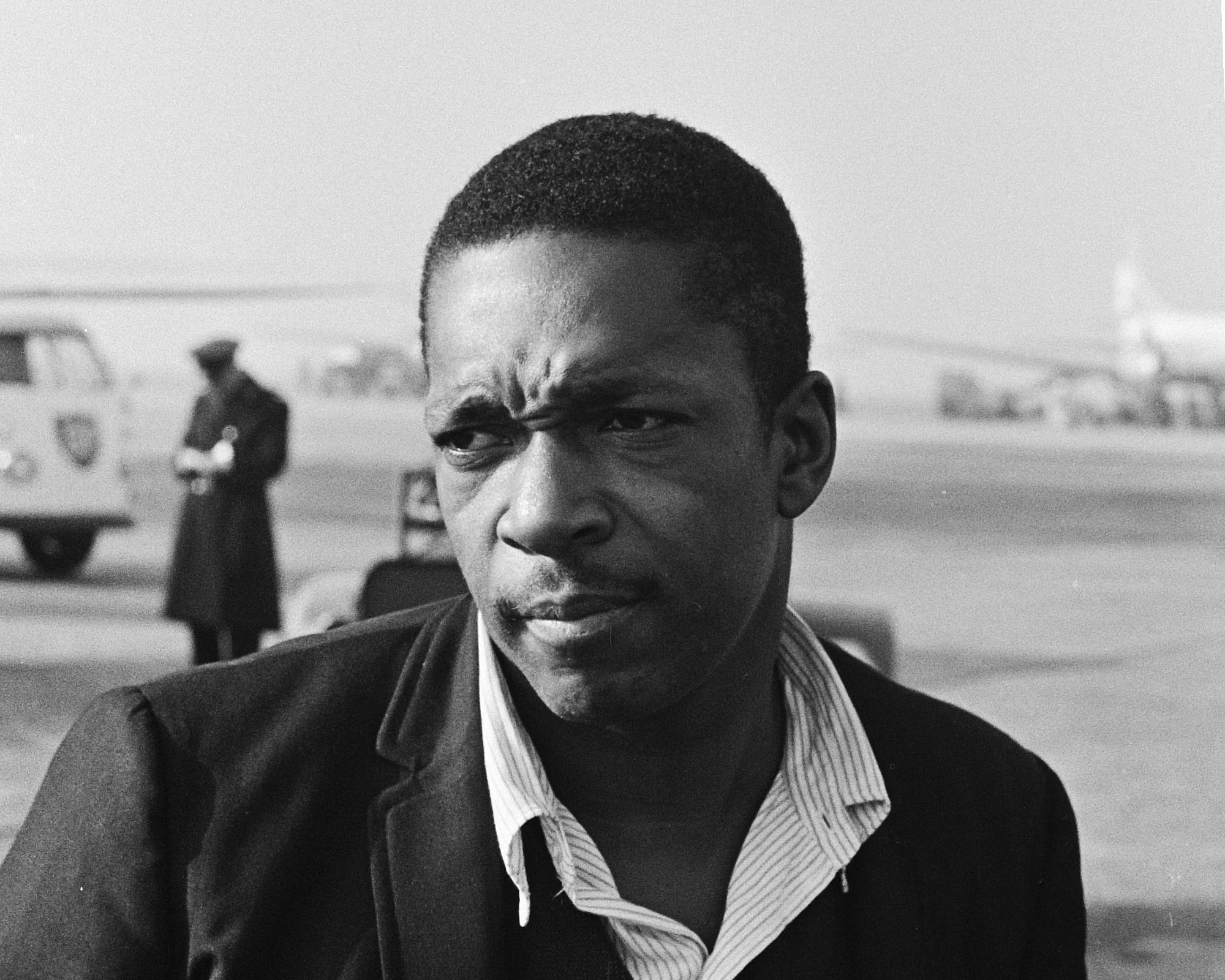
Image from Wikipedia
Image from Wikipedia
John Coltrane – The Saxophonist Who Redefined Jazz
An Exceptional Musician Between Bebop, Modal Jazz, and Spiritual Quest
John William "Trane" Coltrane is one of the most influential figures in jazz history. The American saxophonist started on the alto saxophone, almost completely switching to the tenor saxophone in the early 1950s, and to the soprano saxophone from 1960 onward. His artistic development combined technical discipline, relentless searching, and a distinctive musical language that profoundly changed jazz. ([en.wikipedia.org](https://en.wikipedia.org/wiki/John_Coltrane))
Coltrane was born on September 23, 1926, in Hamlet, North Carolina, and passed away on July 17, 1967, in Huntington, New York. Early on, he evolved from a sought-after sideman to a visionary bandleader, whose recordings are still regarded as benchmarks for improvisation, harmony, and compositional audacity. The official biography describes him as a workaholic who earned his exceptional artistic status through consistent practice and intense focus. ([johncoltrane.com](https://www.johncoltrane.com/biography))
Early Years and the Sideman School
Coltrane's path into the jazz world involved hard work and learning in the bands of other greats. The official biography emphasizes that he first proved himself as a sideman before emerging as a leader. This phase shaped his sense of form, sound architecture, and ensemble dynamics, laying the groundwork for his later radicality. ([johncoltrane.com](https://www.johncoltrane.com/biography))
Particularly formative was his development in the 1950s, when he worked on his technique and expression with increasing intensity. It was during this period that his playing was famously described as "sheets of sound," meaning densely layered cascades of sound that transformed harmony into movement. This playing style made him a musician who not only played solos but reorganized musical spaces. ([johncoltrane.com](https://www.johncoltrane.com/biography))
The Breakthrough: Blue Train, Giant Steps, and My Favorite Things
With Blue Train, Coltrane first showcased his abilities as a composer with full authority. The album is considered one of his strongest works from the early phase; several tracks were written by him and later became standards. The record marks the moment when Coltrane was perceived not only as an outstanding saxophonist but also as an independent creative force. ([johncoltrane.com](https://www.johncoltrane.com/biography))
Giant Steps marked another turning point in 1960. The album comprised Coltrane's own compositions, with the title track becoming famous for its extremely complex chord progressions; this gave rise to the term "Coltrane changes." The record to this day stands for harmonic boldness, structural precision, and the courage to push the language of jazz to its limits. ([en.wikipedia.org](https://en.wikipedia.org/wiki/John_Coltrane))
With My Favorite Things, Coltrane reached a broader audience. The transformation of a Broadway song into a raga-colored, modal piece brought him his greatest commercial success and made the soprano saxophone a central part of his sound world. The official biography describes this recording as a radio hit and a crucial step in his stylistic openness. ([johncoltrane.com](https://www.johncoltrane.com/biography))
The Impulse! Years: The Classic Quartet and Large Form
During his years at Impulse! Records, from 1961 until his death, Coltrane reportedly reached the peak of his career. Here, he formed the famous Classic Quartet with McCoy Tyner, Elvin Jones, and Jimmy Garrison, alongside creating larger formats like Africa/Brass and Ascension. This phase showcases Coltrane as an artist who did not merely manage success but constantly explored new musical territories. ([johncoltrane.com](https://www.johncoltrane.com/biography))
The quartet combined rhythmic tension, harmonic openness, and almost telepathic interaction. Coltrane's playing became more abstract, expressive, and spiritually charged during these years. His music increasingly moved away from tight formulas towards expansive, improvisational arcs that unleashed their full power in live contexts. ([en.wikipedia.org](https://en.wikipedia.org/wiki/John_Coltrane))
A Love Supreme and the Spiritual Dimension
A Love Supreme is regarded as Coltrane's masterpiece and one of the most important albums in jazz history. The four-part suite was created in late 1964 as a musical thanksgiving to God and was closely linked to his spiritual rebirth in 1957. The work unites composition, improvisation, and a declaration of faith into a cohesive artistic statement. ([johncoltrane.com](https://www.johncoltrane.com/biography))
The significance of this recording extends far beyond the jazz scene. The album cover included a poem and a letter to the listeners, and Coltrane's voice appears within the work itself. Later releases like A Love Supreme: Live in Seattle or the deluxe editions document the enduring fascination with this album, which continues to serve as a cultural touchstone today. ([johncoltrane.com](https://www.johncoltrane.com/biography))
Discography, Awards, and Reception
Coltrane released 25 albums as a leader during his lifetime, including Blue Train, Giant Steps, My Favorite Things, and A Love Supreme. The Wikipedia discography and the official biography both illustrate the wide breadth of his work: from Prestige and Blue Note to Atlantic and Impulse!. These labels mark his stylistic development as clearly as his artistic independence. ([johncoltrane.com](https://www.johncoltrane.com/biography))
His influence was recognized during his lifetime and even more so posthumously through numerous honors. Coltrane received an Edison Award in 1961 for Giant Steps, was inducted into the DownBeat Jazz Hall of Fame in 1965, and later honored with a Special Citation from the Pulitzer Prize. Additional accolades included the Grammy Lifetime Achievement Award, a United States Postal Service stamp, and further late tributes affirming his standing in cultural memory. ([en.wikipedia.org](https://en.wikipedia.org/wiki/John_Coltrane))
The history of criticism also speaks volumes. The biography on johncoltrane.com quotes jazz journalist Nat Hentoff, who described Coltrane's impact as something that goes far beyond technical virtuosity: as art truly rooted in humanity and spirituality. The Pulitzer note on Phil Lesh also illustrates how strongly Coltrane’s modal thinking influenced even rock musicians and later generations. ([johncoltrane.com](https://www.johncoltrane.com/biography))
Later Work, Cultural Influence, and Legacy
In his last years, Coltrane further pushed the avant-garde forward. Works like Ascension, Meditations, and Om display music that detaches itself from traditional forms and engages more with soundscapes, intensity, and spiritual significance. His final phase still serves today as a blueprint for free improvisation, post-bop, and spiritual jazz. ([en.wikipedia.org](https://en.wikipedia.org/wiki/John_Coltrane))
His influence extends far beyond pure jazz history. Musicians, critics, and institutions continue to reference Coltrane as a benchmark for artistic integrity, harmonic innovation, and sonic risk-taking. Even newer releases in the Coltrane catalog, such as Both Directions at Once: The Lost Album, Blue World, and A Love Supreme: Live in Seattle, have garnered attention in the official charts and keep his work in discussion. ([officialcharts.com](https://www.officialcharts.com/artist/27898/john-coltrane/))
Current Projects and Releases
Since John Coltrane passed away in 1967, there are no current artistic projects in the living sense. However, ongoing archival and reissue activities continue to make his catalog more accessible. The official Linktree and label references point to products, reissues, playlists, and shop offerings related to Coltrane's legacy, including releases from Impulse!, Rhino, and Craft Recordings. ([linktr.ee](https://linktr.ee/johncoltrane))
This archival presence is more than mere nostalgia. It demonstrates how alive Coltrane's work remains in the 21st century and how strongly his name continues to impact the market for jazz catalogs, box sets, and deluxe editions. Particularly with an artist of such stature, the reissue culture replaces the classic presence of a performing career with a perpetually active legacy in the canon. ([officialcharts.com](https://www.officialcharts.com/artist/27898/john-coltrane/))
Conclusion: Why John Coltrane Still Electrifies Today
John Coltrane remains captivating because he never regarded technique as an end in itself. He combined virtuosity with discipline, formal rigor with spiritual expansiveness, transforming the saxophone into a voice that still resonates deeply today. Anyone wishing to experience jazz as a living art form must reckon with Coltrane, as his work demonstrates how radical, profound, and moving improvisation can be. ([johncoltrane.com](https://www.johncoltrane.com/biography))
His music feels simultaneously historical and contemporary, intellectual and emotional, grounded and transcendent. This duality is the greatness of this artist: Coltrane didn't just leave behind albums, but a stance, a school of listening, and an idea of how far music can go. Whoever had the chance to experience his recordings live would have heard not just a jazz standard but the pulse of a musical revolution. ([en.wikipedia.org](https://en.wikipedia.org/wiki/John_Coltrane))
Official Channels of John Coltrane:
- Instagram: no official profile found
- Facebook: no official profile found
- YouTube: no official profile found
- Spotify: no official profile found
- TikTok: no official profile found