
Joseph Beer (Komponist, 1908)

Image from Wikipedia
Image from Wikipedia
Joseph Beer – the Operetta Composer Between Viennese Glamour, Exile, and Rediscovery
A Jewish Operetta Composer with International Appeal
Joseph Beer, also known as Józef Beer, is one of the most fascinating operetta composers of the 20th century. Born on May 7, 1908, in Chodorów in what was then Austria-Hungary, and died on November 23, 1987, in Nice, he combined Viennese training, Polish-Jewish roots, and a European career that aimed for the big stages early on. His music navigates the tension between operetta, singspiel, dance rhythm, and melodic opulence. It is precisely this mixture that makes his name relevant today for music lovers and operetta enthusiasts.
Early Years: Talent, Education, and the Path to Vienna
Beer was the second child of a banker and showed a strong compositional talent from a young age. During his high school years, he attended the conservatory in Lviv, where he received his first formative impulses for his musical development. At his father's request, he initially studied law for a year before moving to Vienna to apply at the State Academy. There, he achieved a remarkable ascent: he was directly admitted to the master class of Joseph Marx and graduated in 1930 with the highest honors.
This early education explains the stylistic sovereignty of his later works. Beer mastered the craft of composition as well as the impact of large stage forms. Even at this stage, his affinity for clear melodic lines, meticulous arrangements, and dramatically effective musical architecture was evident. For an operetta composer of his generation, this was a significant advantage.
The Breakthrough with the Operetta Success in Zurich
After graduating, Beer became a conductor at a Viennese ballet and toured Austria and the Middle East with the ensemble. During these travels, he presented some of his compositions to the lyricist Fritz Löhner-Beda, who was so impressed by his talent that he became Beer’s agent. This collaboration resulted in the operetta Der Prinz von Schiras, which premiered at the Zurich Opera House in 1934. The work quickly became a success and was extensively toured throughout Europe and South America.
The response became even greater with Polnische Hochzeit, the second operetta that also premiered in Zurich in 1937. The work was performed on around 40 stages and translated into eight languages. Contemporary and later descriptions highlight the extraordinary mix of folklore, jazz, romance, and dance rhythm. Joseph Marx praised Beer’s compositional mastery early on and spoke of a new form of “symphonic singspiel operetta.”
Exile, Loss, and the Disruptions of a European Career
The political catastrophe of National Socialism brutally interrupted Beer’s ascent. After the German troops invaded Austria in 1938, he had to flee to Paris. There, he arranged instrumental works for orchestra and continued writing under difficult circumstances, even without access to a piano. When the Germans occupied Paris in 1940, he fled to Nice and lived there until the war ended.
These years of exile profoundly shaped his artistic biography. While Beer lived in hiding, his parents, sister, and lyricist Fritz Löhner-Beda were murdered in Auschwitz. These losses shook him so deeply that after the war, he refused the performance rights to his earlier works. Consequently, his music was only perceived fragmentarily for decades, even though it was among the most successful operetta achievements of its time.
Compositions in the Shadows and the Late Works
Even during the war and in the post-war period, Beer continued to compose. His third major stage work, Stradella in Venedig, was created in hiding and premiered at the Zurich Opera House in 1949. Kurt Pahlen described the work as a comic opera of exceptional quality. This was followed by the oratorio Ave Maria and the late singspiels Die Polin von Napoleon or La Polonaise from 1977 and Mitternachtssonne from 1987.
Beer’s late works reveal an artist who, despite biographical disruptions, remained committed to musical theater. His compositions stayed true to the genre of singspiel but expanded it through more elegant harmonies, differentiated orchestration, and a strong dramatic approach. The recurring engagement with historically grounded themes demonstrates his sensitivity to theater, narrative, and musical character portrayal. This creates the image of a composer whose work bridges popular appeal and serious compositional substance.
Discography, Rediscoveries, and Critical Reception
At the center of later reception is primarily Polnische Hochzeit. After decades of obscurity, the operetta was increasingly performed again, including in Graz, Linz, and Krakow. The musical rediscovery was also aided by recordings, such as the 2016 CD by the Munich Radio Orchestra under Ulf Schirmer. The CPO recording once again brought Beer’s music to the attention of operetta lovers and the specialized press.
The reception consistently highlights Beer’s melodic power, his dance energy, and the unmistakable charm of his scores. A contemporary review, quoted during the revival of Polnische Hochzeit, speaks of music that is not only pleasant but rather "writes itself into the blood." Such expressions illustrate why Beer’s operetta is still considered a rare combination of entertainment and compositional sophistication today. His oeuvre remains small but remarkably concentrated in its impact.
Musical Style and Cultural Influence
Joseph Beer wrote for the stage with a keen sense for impact, tempo, and emotional intensity. His music combines folkloric elements with elegant melodies, shimmering orchestration, and the lightness of operetta, without tipping into mere superficiality. Particularly in Polnische Hochzeit, mazurkas, polonaises, and krakowiaks do not appear as decorative folklore but as integral components of the dramatic development. This is precisely where the lasting charm of his scores arises.
Culturally, Beer represents a generation of Jewish composers whose careers were interrupted by persecution, exile, and violence. The fact that his works have reappeared on European stages in recent years carries both musical and cultural memory significance. In this context, Beer emerges as part of a rediscovered music history. His operettas are now more than just historical rarities: they mark a lost chapter with its own artistic weight.
Late Recognition and Lasting Significance
After the war, Joseph Beer continued his studies and earned his doctorate at the Sorbonne in 1966 with a musicological thesis on the harmonic style in the works of Scriabin. This academic achievement shows how broad his musical horizon was and how seriously he took the theoretical dimension of music. At the same time, he remained devoted to composing and worked into old age on revisions of his earlier works. His biography uniquely intertwines virtuosity, experience of exile, and academic depth.
Today, Beer is regarded as a composer whose rediscovery was long overdue. Those who listen to his operettas experience an artist with a sense of melody, stage presence, and orchestral finesse, whose musical language mediates between Viennese tradition and international modernity. Especially in live performances, these works reveal their full charm: colorful, rhythmic, melodic, and theatrical. Thus, Joseph Beer is not only a name in music history but an invitation to hear operetta anew and rediscover it on stage.
Conclusion: Joseph Beer combines great operetta artistry with a poignant biography shaped by early recognition, exile, loss, and later revival. His work fascinates with melodic elegance, dance energy, and cultural-historical depth. Those who experience his music live encounter a composer who has uniquely expanded the operetta of the 20th century.
Official Channels of Joseph Beer:
- Instagram: No official profile found
- Facebook: No official profile found
- YouTube: No official profile found
- Spotify: No official profile found
- TikTok: No official profile found
Sources:
- Wikipedia – Joseph Beer (Composer, 1908)
- Polish Music Center – Joseph [Józef] Beer
- Johann Strauss Society – Composer Biographies
- Baltic Opera Festival – Joseph Beer: Polish Wedding
- Operabase – Joseph Beer, Composer
- Klassika – Works Catalog Joseph Beer
- Presto Music – Joseph Beer
- Apple Music – Joseph Beer
- Wikipedia: Image and text source
Upcoming Events
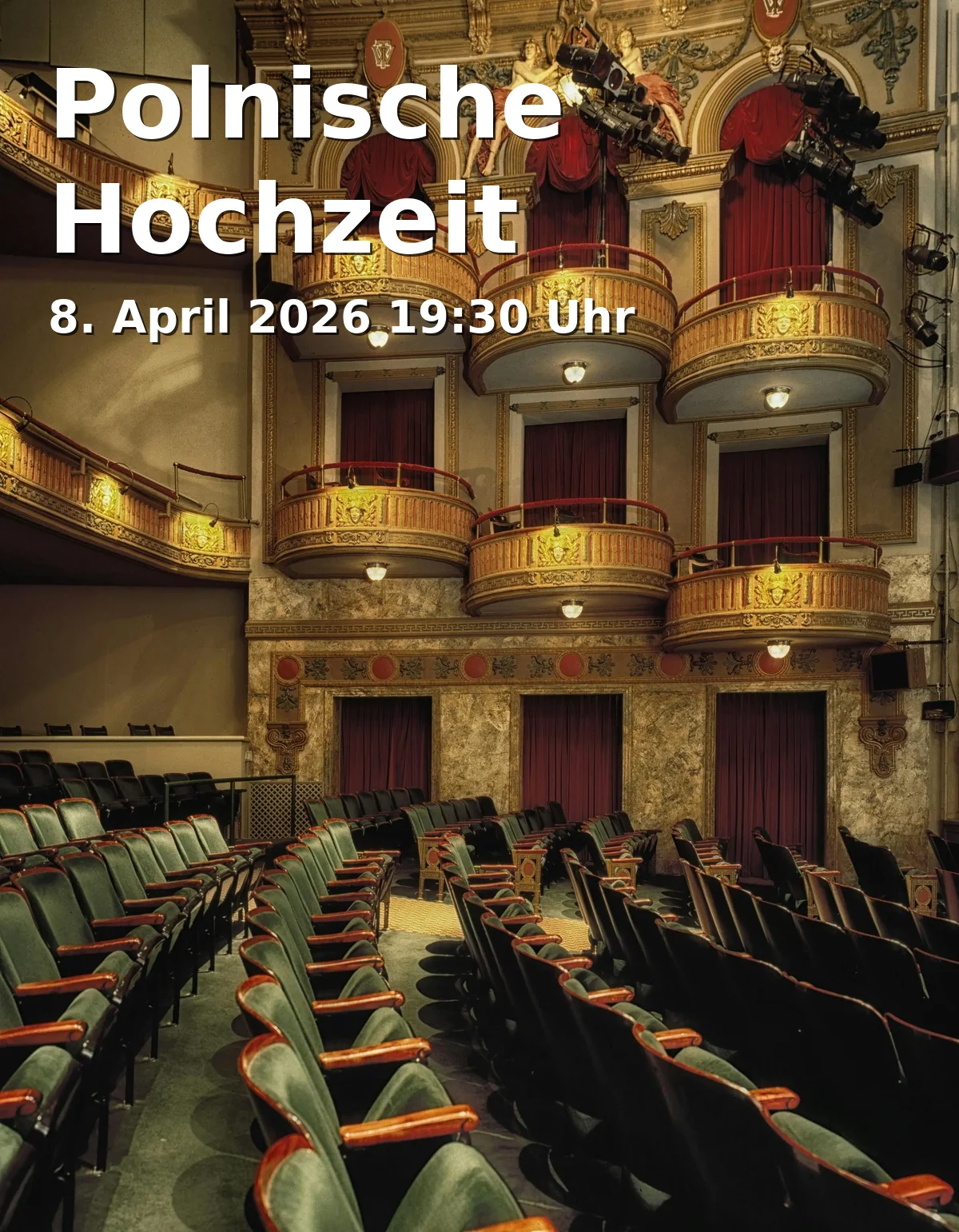
Polish Wedding
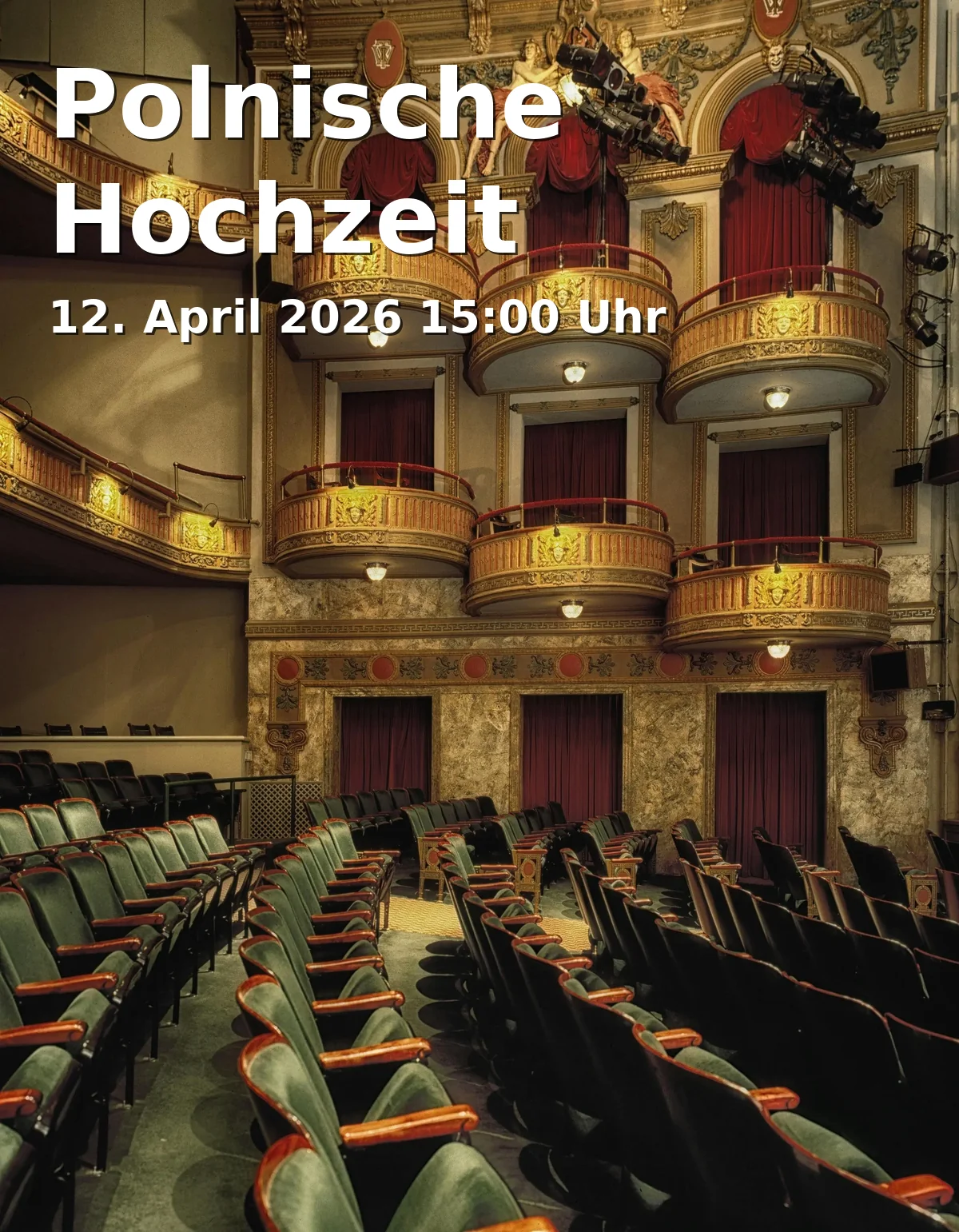
Polish Wedding
Polish Wedding
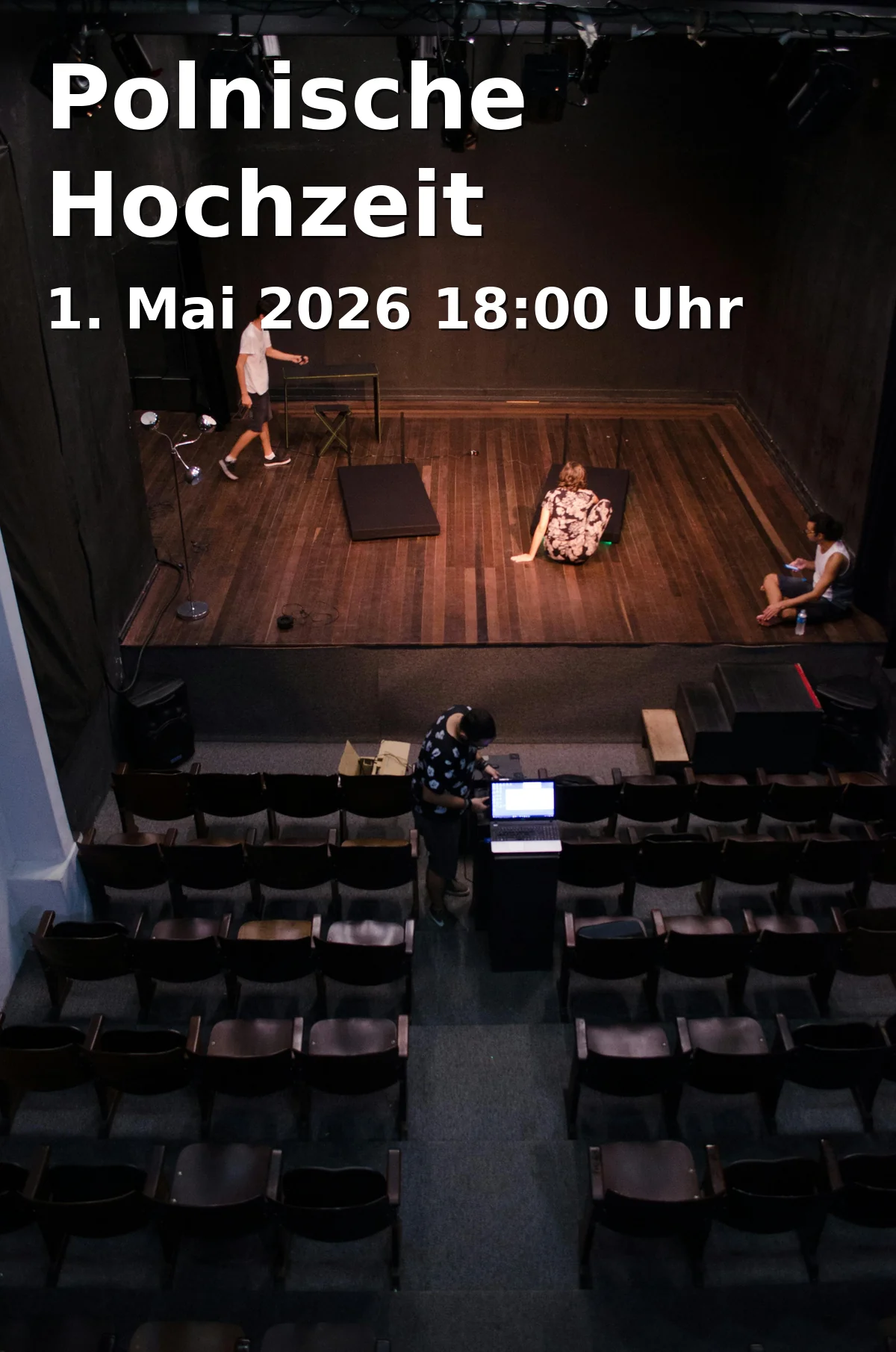
Polish Wedding
Polish Wedding
Polish Wedding