
Bayreuth
95 Bayreuth, Germany
Bayreuth | Attractions & Festivals 2026
Bayreuth is a city that one does not just visit, but experiences. The tourism site describes Bayreuth as a place with charming castles, historic parks, the festival hall with unique acoustics, and numerous music and theater festivals. Those discovering Bayreuth for the first time quickly realize: Here, baroque splendor, vibrant culture, and a pleasantly manageable city feel come together. At the same time, Bayreuth is a practical starting point for short trips to Upper Franconia, as the city center, tourist highlights, and major venues are close to each other. This is precisely what gives the city its special charm: strolling through parks and museums in the morning, discovering city history in the afternoon, and attending a performance or festival in the evening. The current Festival150 phase also shows how strongly Bayreuth is focusing on culture, memory, and new perspectives in 2026. Therefore, those planning a trip to the city will find not only a well-known music center but also a destination with many faces. ([bayreuth-tourismus.de](https://www.bayreuth-tourismus.de/))
Bayreuth Festival 2026 and the Festival Hall
The Bayreuth Festival remains the event that shapes the name of the city worldwide. In 2026, the anniversary will be in the spotlight: The city of Bayreuth has announced Festival150 as a city-wide project for the year 2026 and refers to 150 events surrounding the 150th anniversary of the Bayreuth Richard Wagner Festival, which first took place in 1876. The official festival site prominently features the anniversary season 2026, including the schedule, festival magazine, and other services. Particularly important for visitors is the ticket logic: For the anniversary season 2026, The Ring of the Nibelung can only be ordered as a cycle with all four works; additionally, the festival site points out the online immediate purchase. Those who plan early will benefit from a clear, official system for the coveted tickets. ([bayreuth.de](https://www.bayreuth.de/neue-webseite-zum-festival150-ist-online/))
The Bayreuth Festival Hall itself is unique in its effect. The official festival hall site describes the building as a place where Wagner chose simple elegance instead of pomp, and the amphitheater-like construction provides excellent visibility from all seats. The hall is wooden, dark, and acoustically designed so that the hidden orchestra pit creates the special sound effect that has amazed audiences for generations. According to the technical overview, the auditorium has 1,937 seats, and the site mentions around 58,000 guests per year. The building's history is also closely linked to Bayreuth: earthworks began in 1872, and the first festival started with Rheingold in 1876. Therefore, those visiting Bayreuth for the festival experience do not encounter just any opera house, but a music theater consciously created for Wagner with a clear architectural idea. ([bayreuther-festspiele.de](https://www.bayreuther-festspiele.de/festspiele/festspielhaus/))
Practically, the festival hall is also well-equipped. There are official tours of the building, a virtual 3D tour, and specific information on accessibility, ticket purchase, and arrival. Thus, the festival hall is not only a point of attraction during the season but also a destination for culture-interested guests outside of performances. Especially because the building makes so many details visible, a visit is worthwhile even for those who want to understand not just a performance but the stage design, architecture, and the history behind it. Bayreuth is very consistent in this area: The festival is not an isolated event but part of a larger cultural space that will be presented particularly intensively in 2026 with anniversary programs, special formats, and official visitor offerings. ([bayreuther-festspiele.de](https://www.bayreuther-festspiele.de/tickets-service/fuehrungen/?utm_source=openai))
Attractions in Bayreuth: Margrave's Opera House, Eremitage, and Historical Museum
Those who want to understand Bayreuth beyond the festival should start at the Margrave's Opera House. The official tourism site describes it as the best-preserved example of a free-standing baroque court theater. It was built from 1744 to 1748; the driving force behind the project was Margravine Wilhelmine of Brandenburg-Bayreuth and her husband Margrave Friedrich III. Since 2012, the opera house has been part of the UNESCO World Heritage. Particularly exciting is the connection between historical substance and modern communication: In the adjacent former comedy and ballroom, exhibition rooms with a World Heritage information center have been established since April 2023. There, it is about the Bayreuth Baroque theater, theater practice on and off stage, and the musical culture of the 18th century. Therefore, those looking for attractions in Bayreuth will find not only a beautiful building here but a whole historical model of the city. ([bayreuth-tourismus.de](https://www.bayreuth-tourismus.de/sehenswertes/wilhelmine/markgraefliches-opernhaus/))
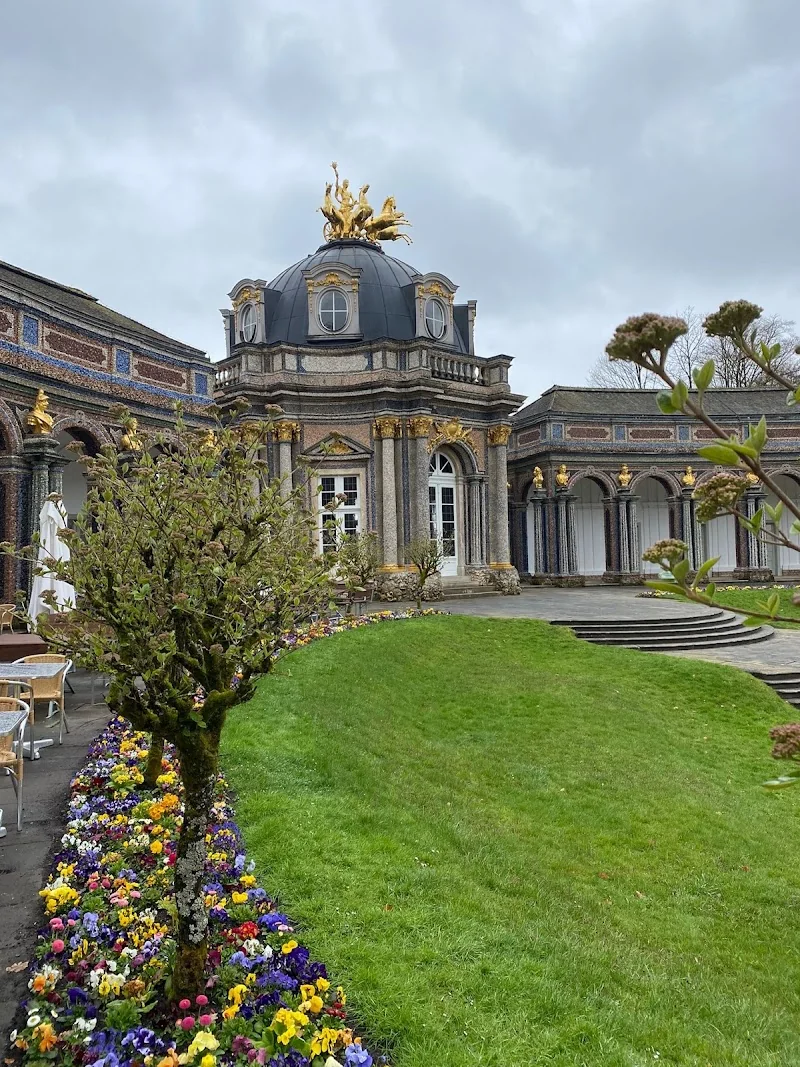
The courtly character of Bayreuth becomes even clearer in the Eremitage. The tourism site describes the facility as Bayreuth's most impressive park and explains its development from a forest enclosure to a zoo and finally to the artistically designed garden theater of the Margrave era. As early as 1664, Margrave Christian Ernst had the area converted into a zoo, later Georg Wilhelm had the Old Castle with the Inner Grotto built, and from 1735, Margravine Wilhelmine further developed the facility into a summer pleasure garden. Thus, the Eremitage is not only a green oasis but a living piece of residence history. Strolling through the park, one does not simply experience landscape but a staging of water, architecture, and courtly fantasy. Especially in the warm months, the Eremitage is one of the most important destinations for visitors who want to perceive Bayreuth as a cultural and garden city. ([bayreuth-tourismus.de](https://www.bayreuth-tourismus.de/sehenswertes/gaerten-und-parks/eremitage/))
The Historical Museum complements these two locations ideally. It is located in the Old Latin School, right in the center, directly at the city church and just a few minutes from the UNESCO World Heritage Margrave's Opera House. The museum tells the history of the city from its first documentary mention to the present day over three levels. The focus is on the 17th and 18th centuries, the time when Bayreuth became a residence city. Additionally, Bayreuth faience, photographs, architectural views, and city images are part of the collection. For guests who want to discover Bayreuth not only as a festival location but as a historical city, this museum is a very good starting point. It provides the necessary depth so that the walk through the old town, castles, and parks becomes not only beautiful but also understandable. ([bayreuth-tourismus.de](https://www.bayreuth-tourismus.de/sehenswertes/museen/historisches-museum/))
Overall, Bayreuth benefits greatly from the thematic connections between the most important attractions. The opera house tells of baroque theater culture, the Eremitage of courtly garden art, and the Historical Museum of the city's development over centuries. Additionally, there are other cultural sites such as the festival hall, the New Palace, the court garden facilities, and changing exhibitions in the city center. This density makes Bayreuth so attractive for day visitors and weekend travelers: The paths are short, the themes clear, and yet the city feels rich and multifaceted. Those visiting Bayreuth can experience very different spaces in a single day – from the baroque hall to the historic park to the museum in the old town. ([bayreuth-tourismus.de](https://www.bayreuth-tourismus.de/))
Access and Parking in Bayreuth's City Center and at the Green Hill
Bayreuth is well-connected in terms of transport. The tourism site mentions the A9 and A70 as important road axes and describes the city as the gateway to the Fichtel Mountains and the Franconian Switzerland. Additionally, Bayreuth is connected to the Saxony-Franconia main line; Deutsche Bahn connects the city with Nuremberg every hour, and international connections are also possible via Nuremberg Airport. For visitors, this means: Bayreuth is not only culturally interesting but also easily accessible. Those arriving by car will find parking garages, underground garages, and more than 6,000 public and private parking spaces in the city center. There are also parking areas for buses, two-wheelers, and motorhomes. This is a strong argument, especially for a city center visit or a cultural trip, as one does not have to search long for a parking space if the hints are considered in advance. ([bayreuth-tourismus.de](https://www.bayreuth-tourismus.de/))
At the festival hall, additional rules apply that one should know in advance. The official arrival page of the Bayreuth Festival recommends using the Bayreuth-Nord exit when arriving via the A9 and points out that the festival access will be closed shortly before the performance begins. Visitors are advised to use the access to the parking lots via Tristanstraße, Tannhäuserstraße, or An der Bürgerreuth and to arrive as early as possible, as there is usually a lot of traffic around the festival hill. A fee of 10 euros per day is charged for visitor parking lots B and C; additionally, there are three mobile AC charging stations with a total of six charging points in parking lot B. Separate, free parking spaces are provided for people with severe disabilities in parking lot A. These hints are important because the festival visit becomes more relaxed when arrival, parking, and possible closure times are known in advance. ([bayreuther-festspiele.de](https://www.bayreuther-festspiele.de/en/tickets-service/arrival-parking-situation/))
Public transport remains a strong option as well. Those arriving without a car can reach Bayreuth via train connections, bus lines, and local offers. Especially for the city center, it is worth looking at walking paths, central stops, and the location of attractions, as many of the most important places are located in a relatively compact area. This is particularly pleasant for day visitors: One can start in the center in the morning, visit museums and parks during the day, and move on to the event in the evening without constantly having to change transportation. This proximity of culture and everyday life is a typical feature of Bayreuth and makes the city attractive for spontaneous visits. ([bayreuth-tourismus.de](https://www.bayreuth-tourismus.de/))
Christmas Market, Winter Village, and Seasonal Events
Bayreuth has a very distinctive Advent atmosphere. The official Christmas market is described by the tourism site as a highlight of the pre-Christmas season and takes place in the marketplace in the heart of the city center. There, visitors can expect around 40 stalls with handcrafted gifts, culinary specialties, and Christmas products. The market has tradition and is eagerly awaited by the residents of Bayreuth every year. The festive decoration in the cityscape is particularly striking: the festively decorated trees, the atmospheric lighting, and the long string of lights ensure that the city center appears very warm and inviting during the dark season. The Christkindlesmarkt is thus not only a shopping place but also a social and emotional meeting point. Those visiting Bayreuth during the Advent season experience the city in a particularly dense mix of light, scent, and city life. ([bayreuth-tourismus.de](https://www.bayreuth-tourismus.de/der-bayreuther-christkindlesmarkt-oeffnet/))
Also part of the festive picture is the Winter Village, which the tourism site also highlights. It is located directly behind the Christkindlesmarkt, at the site of the tax office, or on the forecourt of the Old Castle in the city center. According to the official description, the Winter Village opens in October and remains in operation until December 31. Rustic huts, mulled wine, music, and a cozy gathering make it a place where one can relax and wind down in the evening. This combination of Christmas market and Winter Village is typical for Bayreuth, as it closely connects the city center, gastronomy, and seasonal culture. Those who like to stay after the market will find the right connection between Advent atmosphere and sociable city life here. ([bayreuth-tourismus.de](https://www.bayreuth-tourismus.de/en/christmas-market/))
Even beyond the classic Christmas market, Bayreuth plays an active role in winter. The city points out seasonal traffic regulations around the market and Winter Village, which shows that the Christmas Bayreuth is not only decorative but also an organizationally relevant part of city life. Additionally, there are events, concerts, services, and smaller markets that extend the Advent season. This is particularly interesting for guests visiting Bayreuth in December: The city offers not just a destination but a whole event space where one can stay for hours without feeling like they have seen everything already. ([bayreuth.de](https://www.bayreuth.de/weihnachtsmarkt-diese-verkehrsregeln-gelten/?utm_source=openai))
Spring Festival, Folk Festival, and Shopping Sundays
Bayreuth thrives not only on culture but also on festivals throughout the year. On the official page of Bayreuth Marketing & Tourism GmbH, the Bayreuth Folk Festival 2026 is announced as a ten-day highlight from May 22 to May 31, 2026. The folk festival grounds on Äußere Badstraße will turn into a colorful festival mile with a Ferris wheel, rides, beer gardens, and culinary offerings. For many families and groups of friends, the folk festival is a fixed date in the calendar because it combines fun, enjoyment, and a meeting point character. At the same time, the Spring Festival regularly appears in the Bayreuth event information as one of the first major seasonal highlights. This shows that spring is also celebrated in Bayreuth: with lights, music, rides, and an atmosphere that marks the start of the warm season. ([bayreuth-tourismus.de](https://www.bayreuth-tourismus.de/fr/bayreuther-volksfest/?utm_source=openai))
For inner-city commerce, shopping Sundays are important. The tourism site states that Bayreuth's retail opens on two Sundays a year and prepares special offers. In practice, these days are usually linked to larger city events, such as mobility days or market activities in the city center. This combination makes the difference: shopping, strolling, dining, and simultaneously experiencing an urban event. This is also relevant for visitors who want to get to know Bayreuth over a weekend. Those visiting the city on a shopping Sunday will get a very good impression of how strongly the city center, commerce, and events interconnect. Thus, Bayreuth does not feel like a mere excursion town but like a lively place with regular occasions to return. ([bayreuth-tourismus.de](https://www.bayreuth-tourismus.de/einkaufen/verkaufsoffene-sonntage/?utm_source=openai))
Especially in spring and early summer, Bayreuth shows itself to be particularly versatile. On the folk festival grounds, in the city center, and at the thematic events of the tourism site, a calendar emerges that extends far beyond individual days. Visitors can walk through the old town in the morning, attend a festival or market during the day, and switch to cultural events or local establishments in the evening. This makes Bayreuth particularly attractive for those who do not want to choose between culture and entertainment but seek both. Whether one calls it Spring Festival, Folk Festival, or Shopping Sunday: The city deliberately offers occasions in spring that connect the city center and leisure. ([bayreuth-tourismus.de](https://www.bayreuth-tourismus.de/fr/bayreuther-volksfest/?utm_source=openai))
Residents, Location, and Bayreuth in Everyday Life between Culture and Short Vacations
Bayreuth is a medium-sized city with a clear identity. The official statistics report 72,464 residents, a foreign population share of 16 percent, 5,337 companies at the location, and 50,508 employees subject to social security contributions. At the same time, Bayreuth is an important administrative and university location, which is clearly reflected in the employment structure. This explains why the city is lively during the day without losing its manageability. For visitors, this is pleasant, as Bayreuth does not feel overwhelming but is easy to read. One can quickly assess paths, explore the city center on foot, and still be offered a surprising variety of culture, commerce, and gastronomy. This mix makes Bayreuth a convincing travel destination: It is not too big, not too small, and in its blend of everyday life and festivity, very coherent. ([bayreuth.de](https://www.bayreuth.de/wirtschaft-forschung/wirtschaftsstandort/zahlen-daten-fakten/))
Touristically, Bayreuth is also well-positioned. The city reported over half a million overnight stays for 2024 for the first time again, reaching 527,536 overnight stays. Together with its location between the Fichtel Mountains and Franconian Switzerland, good motorway connections, and a strong cultural offering, a profile emerges that works equally well for short vacations, weekend trips, and day trips. The tourism site explicitly names Bayreuth as a gateway to attractive landscapes and as a city with a dense selection of castles, parks, festivals, and museums. For those who only associate Bayreuth with the festivals, this is often the most important realization: The city is much broader in its offerings. Once there, one quickly notices that one can pleasantly combine culture, history, shopping, walks, and events in Bayreuth. ([bayreuth.de](https://www.bayreuth.de/tourismus-rekordzahlen-in-bayreuth/?utm_source=openai))
For this reason, Bayreuth is also suitable for guests specifically looking for a city with clear attractions and reliable infrastructure. The paths are manageable, the central cultural sites are easily accessible, and the city focuses throughout the year on recurring experiences such as festivals, markets, and seasonal celebrations. Therefore, those planning a trip to Bayreuth should not only keep an individual date in mind but also make use of the interplay between culture, city center, and seasons. This transforms a visit into a structured stay: first orientation, then discovery, then experience. Bayreuth clearly shows how convincing a city can be when it takes history seriously, maintains cultural highlights, and organizes everyday life for guests in a manageable way. ([bayreuth.de](https://www.bayreuth.de/))
Sources:
Show moreShow less
Bayreuth | Attractions & Festivals 2026
Bayreuth is a city that one does not just visit, but experiences. The tourism site describes Bayreuth as a place with charming castles, historic parks, the festival hall with unique acoustics, and numerous music and theater festivals. Those discovering Bayreuth for the first time quickly realize: Here, baroque splendor, vibrant culture, and a pleasantly manageable city feel come together. At the same time, Bayreuth is a practical starting point for short trips to Upper Franconia, as the city center, tourist highlights, and major venues are close to each other. This is precisely what gives the city its special charm: strolling through parks and museums in the morning, discovering city history in the afternoon, and attending a performance or festival in the evening. The current Festival150 phase also shows how strongly Bayreuth is focusing on culture, memory, and new perspectives in 2026. Therefore, those planning a trip to the city will find not only a well-known music center but also a destination with many faces. ([bayreuth-tourismus.de](https://www.bayreuth-tourismus.de/))
Bayreuth Festival 2026 and the Festival Hall
The Bayreuth Festival remains the event that shapes the name of the city worldwide. In 2026, the anniversary will be in the spotlight: The city of Bayreuth has announced Festival150 as a city-wide project for the year 2026 and refers to 150 events surrounding the 150th anniversary of the Bayreuth Richard Wagner Festival, which first took place in 1876. The official festival site prominently features the anniversary season 2026, including the schedule, festival magazine, and other services. Particularly important for visitors is the ticket logic: For the anniversary season 2026, The Ring of the Nibelung can only be ordered as a cycle with all four works; additionally, the festival site points out the online immediate purchase. Those who plan early will benefit from a clear, official system for the coveted tickets. ([bayreuth.de](https://www.bayreuth.de/neue-webseite-zum-festival150-ist-online/))
The Bayreuth Festival Hall itself is unique in its effect. The official festival hall site describes the building as a place where Wagner chose simple elegance instead of pomp, and the amphitheater-like construction provides excellent visibility from all seats. The hall is wooden, dark, and acoustically designed so that the hidden orchestra pit creates the special sound effect that has amazed audiences for generations. According to the technical overview, the auditorium has 1,937 seats, and the site mentions around 58,000 guests per year. The building's history is also closely linked to Bayreuth: earthworks began in 1872, and the first festival started with Rheingold in 1876. Therefore, those visiting Bayreuth for the festival experience do not encounter just any opera house, but a music theater consciously created for Wagner with a clear architectural idea. ([bayreuther-festspiele.de](https://www.bayreuther-festspiele.de/festspiele/festspielhaus/))
Practically, the festival hall is also well-equipped. There are official tours of the building, a virtual 3D tour, and specific information on accessibility, ticket purchase, and arrival. Thus, the festival hall is not only a point of attraction during the season but also a destination for culture-interested guests outside of performances. Especially because the building makes so many details visible, a visit is worthwhile even for those who want to understand not just a performance but the stage design, architecture, and the history behind it. Bayreuth is very consistent in this area: The festival is not an isolated event but part of a larger cultural space that will be presented particularly intensively in 2026 with anniversary programs, special formats, and official visitor offerings. ([bayreuther-festspiele.de](https://www.bayreuther-festspiele.de/tickets-service/fuehrungen/?utm_source=openai))
Attractions in Bayreuth: Margrave's Opera House, Eremitage, and Historical Museum
Those who want to understand Bayreuth beyond the festival should start at the Margrave's Opera House. The official tourism site describes it as the best-preserved example of a free-standing baroque court theater. It was built from 1744 to 1748; the driving force behind the project was Margravine Wilhelmine of Brandenburg-Bayreuth and her husband Margrave Friedrich III. Since 2012, the opera house has been part of the UNESCO World Heritage. Particularly exciting is the connection between historical substance and modern communication: In the adjacent former comedy and ballroom, exhibition rooms with a World Heritage information center have been established since April 2023. There, it is about the Bayreuth Baroque theater, theater practice on and off stage, and the musical culture of the 18th century. Therefore, those looking for attractions in Bayreuth will find not only a beautiful building here but a whole historical model of the city. ([bayreuth-tourismus.de](https://www.bayreuth-tourismus.de/sehenswertes/wilhelmine/markgraefliches-opernhaus/))
The courtly character of Bayreuth becomes even clearer in the Eremitage. The tourism site describes the facility as Bayreuth's most impressive park and explains its development from a forest enclosure to a zoo and finally to the artistically designed garden theater of the Margrave era. As early as 1664, Margrave Christian Ernst had the area converted into a zoo, later Georg Wilhelm had the Old Castle with the Inner Grotto built, and from 1735, Margravine Wilhelmine further developed the facility into a summer pleasure garden. Thus, the Eremitage is not only a green oasis but a living piece of residence history. Strolling through the park, one does not simply experience landscape but a staging of water, architecture, and courtly fantasy. Especially in the warm months, the Eremitage is one of the most important destinations for visitors who want to perceive Bayreuth as a cultural and garden city. ([bayreuth-tourismus.de](https://www.bayreuth-tourismus.de/sehenswertes/gaerten-und-parks/eremitage/))
The Historical Museum complements these two locations ideally. It is located in the Old Latin School, right in the center, directly at the city church and just a few minutes from the UNESCO World Heritage Margrave's Opera House. The museum tells the history of the city from its first documentary mention to the present day over three levels. The focus is on the 17th and 18th centuries, the time when Bayreuth became a residence city. Additionally, Bayreuth faience, photographs, architectural views, and city images are part of the collection. For guests who want to discover Bayreuth not only as a festival location but as a historical city, this museum is a very good starting point. It provides the necessary depth so that the walk through the old town, castles, and parks becomes not only beautiful but also understandable. ([bayreuth-tourismus.de](https://www.bayreuth-tourismus.de/sehenswertes/museen/historisches-museum/))
Overall, Bayreuth benefits greatly from the thematic connections between the most important attractions. The opera house tells of baroque theater culture, the Eremitage of courtly garden art, and the Historical Museum of the city's development over centuries. Additionally, there are other cultural sites such as the festival hall, the New Palace, the court garden facilities, and changing exhibitions in the city center. This density makes Bayreuth so attractive for day visitors and weekend travelers: The paths are short, the themes clear, and yet the city feels rich and multifaceted. Those visiting Bayreuth can experience very different spaces in a single day – from the baroque hall to the historic park to the museum in the old town. ([bayreuth-tourismus.de](https://www.bayreuth-tourismus.de/))
Access and Parking in Bayreuth's City Center and at the Green Hill
Bayreuth is well-connected in terms of transport. The tourism site mentions the A9 and A70 as important road axes and describes the city as the gateway to the Fichtel Mountains and the Franconian Switzerland. Additionally, Bayreuth is connected to the Saxony-Franconia main line; Deutsche Bahn connects the city with Nuremberg every hour, and international connections are also possible via Nuremberg Airport. For visitors, this means: Bayreuth is not only culturally interesting but also easily accessible. Those arriving by car will find parking garages, underground garages, and more than 6,000 public and private parking spaces in the city center. There are also parking areas for buses, two-wheelers, and motorhomes. This is a strong argument, especially for a city center visit or a cultural trip, as one does not have to search long for a parking space if the hints are considered in advance. ([bayreuth-tourismus.de](https://www.bayreuth-tourismus.de/))
At the festival hall, additional rules apply that one should know in advance. The official arrival page of the Bayreuth Festival recommends using the Bayreuth-Nord exit when arriving via the A9 and points out that the festival access will be closed shortly before the performance begins. Visitors are advised to use the access to the parking lots via Tristanstraße, Tannhäuserstraße, or An der Bürgerreuth and to arrive as early as possible, as there is usually a lot of traffic around the festival hill. A fee of 10 euros per day is charged for visitor parking lots B and C; additionally, there are three mobile AC charging stations with a total of six charging points in parking lot B. Separate, free parking spaces are provided for people with severe disabilities in parking lot A. These hints are important because the festival visit becomes more relaxed when arrival, parking, and possible closure times are known in advance. ([bayreuther-festspiele.de](https://www.bayreuther-festspiele.de/en/tickets-service/arrival-parking-situation/))
Public transport remains a strong option as well. Those arriving without a car can reach Bayreuth via train connections, bus lines, and local offers. Especially for the city center, it is worth looking at walking paths, central stops, and the location of attractions, as many of the most important places are located in a relatively compact area. This is particularly pleasant for day visitors: One can start in the center in the morning, visit museums and parks during the day, and move on to the event in the evening without constantly having to change transportation. This proximity of culture and everyday life is a typical feature of Bayreuth and makes the city attractive for spontaneous visits. ([bayreuth-tourismus.de](https://www.bayreuth-tourismus.de/))
Christmas Market, Winter Village, and Seasonal Events
Bayreuth has a very distinctive Advent atmosphere. The official Christmas market is described by the tourism site as a highlight of the pre-Christmas season and takes place in the marketplace in the heart of the city center. There, visitors can expect around 40 stalls with handcrafted gifts, culinary specialties, and Christmas products. The market has tradition and is eagerly awaited by the residents of Bayreuth every year. The festive decoration in the cityscape is particularly striking: the festively decorated trees, the atmospheric lighting, and the long string of lights ensure that the city center appears very warm and inviting during the dark season. The Christkindlesmarkt is thus not only a shopping place but also a social and emotional meeting point. Those visiting Bayreuth during the Advent season experience the city in a particularly dense mix of light, scent, and city life. ([bayreuth-tourismus.de](https://www.bayreuth-tourismus.de/der-bayreuther-christkindlesmarkt-oeffnet/))
Also part of the festive picture is the Winter Village, which the tourism site also highlights. It is located directly behind the Christkindlesmarkt, at the site of the tax office, or on the forecourt of the Old Castle in the city center. According to the official description, the Winter Village opens in October and remains in operation until December 31. Rustic huts, mulled wine, music, and a cozy gathering make it a place where one can relax and wind down in the evening. This combination of Christmas market and Winter Village is typical for Bayreuth, as it closely connects the city center, gastronomy, and seasonal culture. Those who like to stay after the market will find the right connection between Advent atmosphere and sociable city life here. ([bayreuth-tourismus.de](https://www.bayreuth-tourismus.de/en/christmas-market/))
Even beyond the classic Christmas market, Bayreuth plays an active role in winter. The city points out seasonal traffic regulations around the market and Winter Village, which shows that the Christmas Bayreuth is not only decorative but also an organizationally relevant part of city life. Additionally, there are events, concerts, services, and smaller markets that extend the Advent season. This is particularly interesting for guests visiting Bayreuth in December: The city offers not just a destination but a whole event space where one can stay for hours without feeling like they have seen everything already. ([bayreuth.de](https://www.bayreuth.de/weihnachtsmarkt-diese-verkehrsregeln-gelten/?utm_source=openai))
Spring Festival, Folk Festival, and Shopping Sundays
Bayreuth thrives not only on culture but also on festivals throughout the year. On the official page of Bayreuth Marketing & Tourism GmbH, the Bayreuth Folk Festival 2026 is announced as a ten-day highlight from May 22 to May 31, 2026. The folk festival grounds on Äußere Badstraße will turn into a colorful festival mile with a Ferris wheel, rides, beer gardens, and culinary offerings. For many families and groups of friends, the folk festival is a fixed date in the calendar because it combines fun, enjoyment, and a meeting point character. At the same time, the Spring Festival regularly appears in the Bayreuth event information as one of the first major seasonal highlights. This shows that spring is also celebrated in Bayreuth: with lights, music, rides, and an atmosphere that marks the start of the warm season. ([bayreuth-tourismus.de](https://www.bayreuth-tourismus.de/fr/bayreuther-volksfest/?utm_source=openai))
For inner-city commerce, shopping Sundays are important. The tourism site states that Bayreuth's retail opens on two Sundays a year and prepares special offers. In practice, these days are usually linked to larger city events, such as mobility days or market activities in the city center. This combination makes the difference: shopping, strolling, dining, and simultaneously experiencing an urban event. This is also relevant for visitors who want to get to know Bayreuth over a weekend. Those visiting the city on a shopping Sunday will get a very good impression of how strongly the city center, commerce, and events interconnect. Thus, Bayreuth does not feel like a mere excursion town but like a lively place with regular occasions to return. ([bayreuth-tourismus.de](https://www.bayreuth-tourismus.de/einkaufen/verkaufsoffene-sonntage/?utm_source=openai))
Especially in spring and early summer, Bayreuth shows itself to be particularly versatile. On the folk festival grounds, in the city center, and at the thematic events of the tourism site, a calendar emerges that extends far beyond individual days. Visitors can walk through the old town in the morning, attend a festival or market during the day, and switch to cultural events or local establishments in the evening. This makes Bayreuth particularly attractive for those who do not want to choose between culture and entertainment but seek both. Whether one calls it Spring Festival, Folk Festival, or Shopping Sunday: The city deliberately offers occasions in spring that connect the city center and leisure. ([bayreuth-tourismus.de](https://www.bayreuth-tourismus.de/fr/bayreuther-volksfest/?utm_source=openai))
Residents, Location, and Bayreuth in Everyday Life between Culture and Short Vacations
Bayreuth is a medium-sized city with a clear identity. The official statistics report 72,464 residents, a foreign population share of 16 percent, 5,337 companies at the location, and 50,508 employees subject to social security contributions. At the same time, Bayreuth is an important administrative and university location, which is clearly reflected in the employment structure. This explains why the city is lively during the day without losing its manageability. For visitors, this is pleasant, as Bayreuth does not feel overwhelming but is easy to read. One can quickly assess paths, explore the city center on foot, and still be offered a surprising variety of culture, commerce, and gastronomy. This mix makes Bayreuth a convincing travel destination: It is not too big, not too small, and in its blend of everyday life and festivity, very coherent. ([bayreuth.de](https://www.bayreuth.de/wirtschaft-forschung/wirtschaftsstandort/zahlen-daten-fakten/))
Touristically, Bayreuth is also well-positioned. The city reported over half a million overnight stays for 2024 for the first time again, reaching 527,536 overnight stays. Together with its location between the Fichtel Mountains and Franconian Switzerland, good motorway connections, and a strong cultural offering, a profile emerges that works equally well for short vacations, weekend trips, and day trips. The tourism site explicitly names Bayreuth as a gateway to attractive landscapes and as a city with a dense selection of castles, parks, festivals, and museums. For those who only associate Bayreuth with the festivals, this is often the most important realization: The city is much broader in its offerings. Once there, one quickly notices that one can pleasantly combine culture, history, shopping, walks, and events in Bayreuth. ([bayreuth.de](https://www.bayreuth.de/tourismus-rekordzahlen-in-bayreuth/?utm_source=openai))
For this reason, Bayreuth is also suitable for guests specifically looking for a city with clear attractions and reliable infrastructure. The paths are manageable, the central cultural sites are easily accessible, and the city focuses throughout the year on recurring experiences such as festivals, markets, and seasonal celebrations. Therefore, those planning a trip to Bayreuth should not only keep an individual date in mind but also make use of the interplay between culture, city center, and seasons. This transforms a visit into a structured stay: first orientation, then discovery, then experience. Bayreuth clearly shows how convincing a city can be when it takes history seriously, maintains cultural highlights, and organizes everyday life for guests in a manageable way. ([bayreuth.de](https://www.bayreuth.de/))
Sources:
Bayreuth | Attractions & Festivals 2026
Bayreuth is a city that one does not just visit, but experiences. The tourism site describes Bayreuth as a place with charming castles, historic parks, the festival hall with unique acoustics, and numerous music and theater festivals. Those discovering Bayreuth for the first time quickly realize: Here, baroque splendor, vibrant culture, and a pleasantly manageable city feel come together. At the same time, Bayreuth is a practical starting point for short trips to Upper Franconia, as the city center, tourist highlights, and major venues are close to each other. This is precisely what gives the city its special charm: strolling through parks and museums in the morning, discovering city history in the afternoon, and attending a performance or festival in the evening. The current Festival150 phase also shows how strongly Bayreuth is focusing on culture, memory, and new perspectives in 2026. Therefore, those planning a trip to the city will find not only a well-known music center but also a destination with many faces. ([bayreuth-tourismus.de](https://www.bayreuth-tourismus.de/))
Bayreuth Festival 2026 and the Festival Hall
The Bayreuth Festival remains the event that shapes the name of the city worldwide. In 2026, the anniversary will be in the spotlight: The city of Bayreuth has announced Festival150 as a city-wide project for the year 2026 and refers to 150 events surrounding the 150th anniversary of the Bayreuth Richard Wagner Festival, which first took place in 1876. The official festival site prominently features the anniversary season 2026, including the schedule, festival magazine, and other services. Particularly important for visitors is the ticket logic: For the anniversary season 2026, The Ring of the Nibelung can only be ordered as a cycle with all four works; additionally, the festival site points out the online immediate purchase. Those who plan early will benefit from a clear, official system for the coveted tickets. ([bayreuth.de](https://www.bayreuth.de/neue-webseite-zum-festival150-ist-online/))
The Bayreuth Festival Hall itself is unique in its effect. The official festival hall site describes the building as a place where Wagner chose simple elegance instead of pomp, and the amphitheater-like construction provides excellent visibility from all seats. The hall is wooden, dark, and acoustically designed so that the hidden orchestra pit creates the special sound effect that has amazed audiences for generations. According to the technical overview, the auditorium has 1,937 seats, and the site mentions around 58,000 guests per year. The building's history is also closely linked to Bayreuth: earthworks began in 1872, and the first festival started with Rheingold in 1876. Therefore, those visiting Bayreuth for the festival experience do not encounter just any opera house, but a music theater consciously created for Wagner with a clear architectural idea. ([bayreuther-festspiele.de](https://www.bayreuther-festspiele.de/festspiele/festspielhaus/))
Practically, the festival hall is also well-equipped. There are official tours of the building, a virtual 3D tour, and specific information on accessibility, ticket purchase, and arrival. Thus, the festival hall is not only a point of attraction during the season but also a destination for culture-interested guests outside of performances. Especially because the building makes so many details visible, a visit is worthwhile even for those who want to understand not just a performance but the stage design, architecture, and the history behind it. Bayreuth is very consistent in this area: The festival is not an isolated event but part of a larger cultural space that will be presented particularly intensively in 2026 with anniversary programs, special formats, and official visitor offerings. ([bayreuther-festspiele.de](https://www.bayreuther-festspiele.de/tickets-service/fuehrungen/?utm_source=openai))
Attractions in Bayreuth: Margrave's Opera House, Eremitage, and Historical Museum
Those who want to understand Bayreuth beyond the festival should start at the Margrave's Opera House. The official tourism site describes it as the best-preserved example of a free-standing baroque court theater. It was built from 1744 to 1748; the driving force behind the project was Margravine Wilhelmine of Brandenburg-Bayreuth and her husband Margrave Friedrich III. Since 2012, the opera house has been part of the UNESCO World Heritage. Particularly exciting is the connection between historical substance and modern communication: In the adjacent former comedy and ballroom, exhibition rooms with a World Heritage information center have been established since April 2023. There, it is about the Bayreuth Baroque theater, theater practice on and off stage, and the musical culture of the 18th century. Therefore, those looking for attractions in Bayreuth will find not only a beautiful building here but a whole historical model of the city. ([bayreuth-tourismus.de](https://www.bayreuth-tourismus.de/sehenswertes/wilhelmine/markgraefliches-opernhaus/))
The courtly character of Bayreuth becomes even clearer in the Eremitage. The tourism site describes the facility as Bayreuth's most impressive park and explains its development from a forest enclosure to a zoo and finally to the artistically designed garden theater of the Margrave era. As early as 1664, Margrave Christian Ernst had the area converted into a zoo, later Georg Wilhelm had the Old Castle with the Inner Grotto built, and from 1735, Margravine Wilhelmine further developed the facility into a summer pleasure garden. Thus, the Eremitage is not only a green oasis but a living piece of residence history. Strolling through the park, one does not simply experience landscape but a staging of water, architecture, and courtly fantasy. Especially in the warm months, the Eremitage is one of the most important destinations for visitors who want to perceive Bayreuth as a cultural and garden city. ([bayreuth-tourismus.de](https://www.bayreuth-tourismus.de/sehenswertes/gaerten-und-parks/eremitage/))
The Historical Museum complements these two locations ideally. It is located in the Old Latin School, right in the center, directly at the city church and just a few minutes from the UNESCO World Heritage Margrave's Opera House. The museum tells the history of the city from its first documentary mention to the present day over three levels. The focus is on the 17th and 18th centuries, the time when Bayreuth became a residence city. Additionally, Bayreuth faience, photographs, architectural views, and city images are part of the collection. For guests who want to discover Bayreuth not only as a festival location but as a historical city, this museum is a very good starting point. It provides the necessary depth so that the walk through the old town, castles, and parks becomes not only beautiful but also understandable. ([bayreuth-tourismus.de](https://www.bayreuth-tourismus.de/sehenswertes/museen/historisches-museum/))
Overall, Bayreuth benefits greatly from the thematic connections between the most important attractions. The opera house tells of baroque theater culture, the Eremitage of courtly garden art, and the Historical Museum of the city's development over centuries. Additionally, there are other cultural sites such as the festival hall, the New Palace, the court garden facilities, and changing exhibitions in the city center. This density makes Bayreuth so attractive for day visitors and weekend travelers: The paths are short, the themes clear, and yet the city feels rich and multifaceted. Those visiting Bayreuth can experience very different spaces in a single day – from the baroque hall to the historic park to the museum in the old town. ([bayreuth-tourismus.de](https://www.bayreuth-tourismus.de/))
Access and Parking in Bayreuth's City Center and at the Green Hill
Bayreuth is well-connected in terms of transport. The tourism site mentions the A9 and A70 as important road axes and describes the city as the gateway to the Fichtel Mountains and the Franconian Switzerland. Additionally, Bayreuth is connected to the Saxony-Franconia main line; Deutsche Bahn connects the city with Nuremberg every hour, and international connections are also possible via Nuremberg Airport. For visitors, this means: Bayreuth is not only culturally interesting but also easily accessible. Those arriving by car will find parking garages, underground garages, and more than 6,000 public and private parking spaces in the city center. There are also parking areas for buses, two-wheelers, and motorhomes. This is a strong argument, especially for a city center visit or a cultural trip, as one does not have to search long for a parking space if the hints are considered in advance. ([bayreuth-tourismus.de](https://www.bayreuth-tourismus.de/))
At the festival hall, additional rules apply that one should know in advance. The official arrival page of the Bayreuth Festival recommends using the Bayreuth-Nord exit when arriving via the A9 and points out that the festival access will be closed shortly before the performance begins. Visitors are advised to use the access to the parking lots via Tristanstraße, Tannhäuserstraße, or An der Bürgerreuth and to arrive as early as possible, as there is usually a lot of traffic around the festival hill. A fee of 10 euros per day is charged for visitor parking lots B and C; additionally, there are three mobile AC charging stations with a total of six charging points in parking lot B. Separate, free parking spaces are provided for people with severe disabilities in parking lot A. These hints are important because the festival visit becomes more relaxed when arrival, parking, and possible closure times are known in advance. ([bayreuther-festspiele.de](https://www.bayreuther-festspiele.de/en/tickets-service/arrival-parking-situation/))
Public transport remains a strong option as well. Those arriving without a car can reach Bayreuth via train connections, bus lines, and local offers. Especially for the city center, it is worth looking at walking paths, central stops, and the location of attractions, as many of the most important places are located in a relatively compact area. This is particularly pleasant for day visitors: One can start in the center in the morning, visit museums and parks during the day, and move on to the event in the evening without constantly having to change transportation. This proximity of culture and everyday life is a typical feature of Bayreuth and makes the city attractive for spontaneous visits. ([bayreuth-tourismus.de](https://www.bayreuth-tourismus.de/))
Christmas Market, Winter Village, and Seasonal Events
Bayreuth has a very distinctive Advent atmosphere. The official Christmas market is described by the tourism site as a highlight of the pre-Christmas season and takes place in the marketplace in the heart of the city center. There, visitors can expect around 40 stalls with handcrafted gifts, culinary specialties, and Christmas products. The market has tradition and is eagerly awaited by the residents of Bayreuth every year. The festive decoration in the cityscape is particularly striking: the festively decorated trees, the atmospheric lighting, and the long string of lights ensure that the city center appears very warm and inviting during the dark season. The Christkindlesmarkt is thus not only a shopping place but also a social and emotional meeting point. Those visiting Bayreuth during the Advent season experience the city in a particularly dense mix of light, scent, and city life. ([bayreuth-tourismus.de](https://www.bayreuth-tourismus.de/der-bayreuther-christkindlesmarkt-oeffnet/))
Also part of the festive picture is the Winter Village, which the tourism site also highlights. It is located directly behind the Christkindlesmarkt, at the site of the tax office, or on the forecourt of the Old Castle in the city center. According to the official description, the Winter Village opens in October and remains in operation until December 31. Rustic huts, mulled wine, music, and a cozy gathering make it a place where one can relax and wind down in the evening. This combination of Christmas market and Winter Village is typical for Bayreuth, as it closely connects the city center, gastronomy, and seasonal culture. Those who like to stay after the market will find the right connection between Advent atmosphere and sociable city life here. ([bayreuth-tourismus.de](https://www.bayreuth-tourismus.de/en/christmas-market/))
Even beyond the classic Christmas market, Bayreuth plays an active role in winter. The city points out seasonal traffic regulations around the market and Winter Village, which shows that the Christmas Bayreuth is not only decorative but also an organizationally relevant part of city life. Additionally, there are events, concerts, services, and smaller markets that extend the Advent season. This is particularly interesting for guests visiting Bayreuth in December: The city offers not just a destination but a whole event space where one can stay for hours without feeling like they have seen everything already. ([bayreuth.de](https://www.bayreuth.de/weihnachtsmarkt-diese-verkehrsregeln-gelten/?utm_source=openai))
Spring Festival, Folk Festival, and Shopping Sundays
Bayreuth thrives not only on culture but also on festivals throughout the year. On the official page of Bayreuth Marketing & Tourism GmbH, the Bayreuth Folk Festival 2026 is announced as a ten-day highlight from May 22 to May 31, 2026. The folk festival grounds on Äußere Badstraße will turn into a colorful festival mile with a Ferris wheel, rides, beer gardens, and culinary offerings. For many families and groups of friends, the folk festival is a fixed date in the calendar because it combines fun, enjoyment, and a meeting point character. At the same time, the Spring Festival regularly appears in the Bayreuth event information as one of the first major seasonal highlights. This shows that spring is also celebrated in Bayreuth: with lights, music, rides, and an atmosphere that marks the start of the warm season. ([bayreuth-tourismus.de](https://www.bayreuth-tourismus.de/fr/bayreuther-volksfest/?utm_source=openai))
For inner-city commerce, shopping Sundays are important. The tourism site states that Bayreuth's retail opens on two Sundays a year and prepares special offers. In practice, these days are usually linked to larger city events, such as mobility days or market activities in the city center. This combination makes the difference: shopping, strolling, dining, and simultaneously experiencing an urban event. This is also relevant for visitors who want to get to know Bayreuth over a weekend. Those visiting the city on a shopping Sunday will get a very good impression of how strongly the city center, commerce, and events interconnect. Thus, Bayreuth does not feel like a mere excursion town but like a lively place with regular occasions to return. ([bayreuth-tourismus.de](https://www.bayreuth-tourismus.de/einkaufen/verkaufsoffene-sonntage/?utm_source=openai))
Especially in spring and early summer, Bayreuth shows itself to be particularly versatile. On the folk festival grounds, in the city center, and at the thematic events of the tourism site, a calendar emerges that extends far beyond individual days. Visitors can walk through the old town in the morning, attend a festival or market during the day, and switch to cultural events or local establishments in the evening. This makes Bayreuth particularly attractive for those who do not want to choose between culture and entertainment but seek both. Whether one calls it Spring Festival, Folk Festival, or Shopping Sunday: The city deliberately offers occasions in spring that connect the city center and leisure. ([bayreuth-tourismus.de](https://www.bayreuth-tourismus.de/fr/bayreuther-volksfest/?utm_source=openai))
Residents, Location, and Bayreuth in Everyday Life between Culture and Short Vacations
Bayreuth is a medium-sized city with a clear identity. The official statistics report 72,464 residents, a foreign population share of 16 percent, 5,337 companies at the location, and 50,508 employees subject to social security contributions. At the same time, Bayreuth is an important administrative and university location, which is clearly reflected in the employment structure. This explains why the city is lively during the day without losing its manageability. For visitors, this is pleasant, as Bayreuth does not feel overwhelming but is easy to read. One can quickly assess paths, explore the city center on foot, and still be offered a surprising variety of culture, commerce, and gastronomy. This mix makes Bayreuth a convincing travel destination: It is not too big, not too small, and in its blend of everyday life and festivity, very coherent. ([bayreuth.de](https://www.bayreuth.de/wirtschaft-forschung/wirtschaftsstandort/zahlen-daten-fakten/))
Touristically, Bayreuth is also well-positioned. The city reported over half a million overnight stays for 2024 for the first time again, reaching 527,536 overnight stays. Together with its location between the Fichtel Mountains and Franconian Switzerland, good motorway connections, and a strong cultural offering, a profile emerges that works equally well for short vacations, weekend trips, and day trips. The tourism site explicitly names Bayreuth as a gateway to attractive landscapes and as a city with a dense selection of castles, parks, festivals, and museums. For those who only associate Bayreuth with the festivals, this is often the most important realization: The city is much broader in its offerings. Once there, one quickly notices that one can pleasantly combine culture, history, shopping, walks, and events in Bayreuth. ([bayreuth.de](https://www.bayreuth.de/tourismus-rekordzahlen-in-bayreuth/?utm_source=openai))
For this reason, Bayreuth is also suitable for guests specifically looking for a city with clear attractions and reliable infrastructure. The paths are manageable, the central cultural sites are easily accessible, and the city focuses throughout the year on recurring experiences such as festivals, markets, and seasonal celebrations. Therefore, those planning a trip to Bayreuth should not only keep an individual date in mind but also make use of the interplay between culture, city center, and seasons. This transforms a visit into a structured stay: first orientation, then discovery, then experience. Bayreuth clearly shows how convincing a city can be when it takes history seriously, maintains cultural highlights, and organizes everyday life for guests in a manageable way. ([bayreuth.de](https://www.bayreuth.de/))
Sources:

Frequently Asked Questions
Reviews
No reviews found