
Regensburg
Weiße-Lamm-Gasse 1, 93047 Regensburg, Deutschland
UNESCO Visitor Center World Heritage Regensburg | Directions & Admission
The UNESCO Visitor Center World Heritage Regensburg is a compact yet content-rich gateway to the history of the city and its World Heritage. It is located in the historic Salzstadel at the Stone Bridge, precisely at a place that makes Regensburg's development as a trading and cultural city immediately tangible. For visitors, the center is particularly attractive because admission is free, the opening hours are practical, and the exhibition provides a very good overview without significant hurdles. Those looking for photos, images, or initial orientation will find a place here that is not only informative but also spatially and architecturally impressive. The city also points to the direct connection to the World Heritage, free guided tours, and the opportunity to combine the visit with other stops in the old town. This combination of location, history, and easy access makes the visitor center an ideal starting point for a visit to Regensburg. ([regensburg.de](https://www.regensburg.de/welterbe/besucherzentrum/anfahrt-und-oeffnungszeiten))
Directions, Opening Hours, and Admission
Those wishing to visit the UNESCO Visitor Center World Heritage Regensburg will find it in the Salzstadel at Weiße-Lamm-Gasse 1, 93047 Regensburg. The main entrance is located at the Stone Bridge, making orientation very simple once you reach the old town. According to official information, the visitor center is open daily from 10:00 AM to 6:00 PM, and admission is free. For many inquiries regarding opening hours, admission, and directions, this is already the most important information, as it allows for a very flexible integration of the visit into a city stroll or a walk through the old town. Particularly practical is that the location in the historic center is also one of the most beautiful that can be found in Regensburg: you reach the visitor center not as an isolated purpose visit, but as part of a small World Heritage tour. This is precisely why it is so well suited for tourists, families, and also for spontaneous guests. ([regensburg.de](https://www.regensburg.de/welterbe/besucherzentrum/anfahrt-und-oeffnungszeiten))
When traveling, one should note that there are no parking spaces directly in front of the visitor center. The city therefore refers to the general parking options in Regensburg and the urban traffic and parking regulations. This is particularly important for guests arriving by car who are looking for a parking space in the old town. For many, it makes more sense to combine the visit with a walk through the old town, as the distances are short and the surroundings are characterized by the Stone Bridge, the Salzstadel, and the banks of the Danube. Therefore, those specifically looking for parking, directions, or parking garages should not expect parking spaces directly at the entrance but should consciously plan their visit to the city center. From an SEO perspective, this information particularly serves the typical search intentions regarding parking, directions, and opening hours. ([regensburg.de](https://www.regensburg.de/welterbe/besucherzentrum/anfahrt-und-oeffnungszeiten))
Permanent Exhibition with World Heritage Globe and City Model
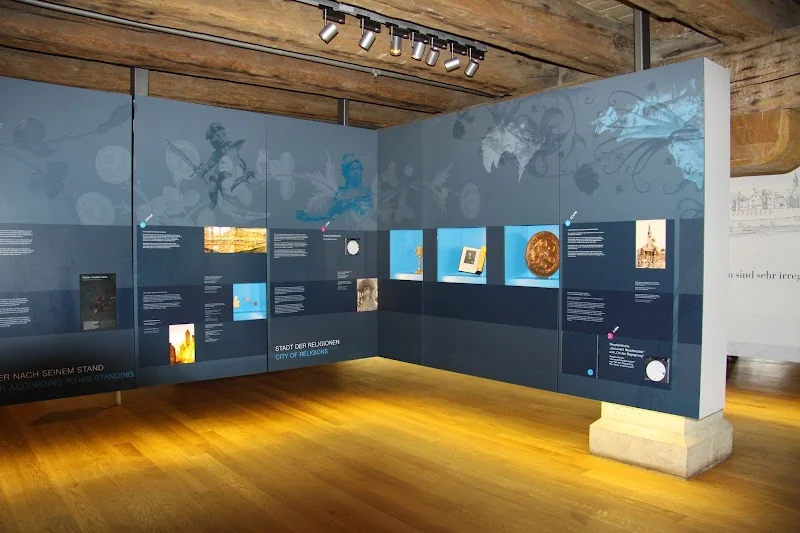
The permanent exhibition is the heart of the visitor center and a significant reason why the location performs so well in search queries related to World Heritage, museums, and exhibitions. In the official presentation, the visitor center is described as a place where impressive exhibits, interactive play stations, and media installations are displayed across two floors. This mix of classic objects and digital elements makes the visit not only educational but also varied. Especially for families, school classes, and visitors who want to not only see Regensburg but also understand it, this is a very strong combination. The exhibition presents Regensburg as a World Heritage city not abstractly, but vividly and tangibly. You do not get a dry overview but a staged introduction to 2000 years of city history, offering both historical depth and modern mediation. ([regensburg.de](https://www.regensburg.de/museen/die-museen/weitere-museen/welterbe-besucherzentrum?utm_source=openai))
Especially important for the thematic breadth of the exhibition are the five thematic areas of the permanent exhibition on the upper floor. They cover UNESCO World Heritage, the development of Regensburg from a Roman camp to a modern city, the theme of city on the river or city in the river, life in the city in a historical context, and Regensburg as a city of imperial diets. Highlights include the World Heritage Globe and an interactive city model that makes the development of the city visible through the centuries. In the basement, changing special exhibitions are added, which continually shed new light on the topic of World Heritage. Thus, the visitor center is not only a place for a one-time visit but also interesting for repeat visits. Therefore, those searching for the term permanent exhibition will find exactly the mix of permanent knowledge, changing content, and clear thematic structure that makes a visit sustainably rewarding. ([regensburg.de](https://www.regensburg.de/kultur/kulturdatenbank/eintrag/116678))
UNESCO World Heritage Regensburg: 2000 Years of History
The visitor center is closely connected to the UNESCO World Heritage city of Regensburg, and it is precisely this context that gives it relevance. Since July 2006, the ensemble of Regensburg's old town with Stadtamhof has been part of the UNESCO World Heritage. The protected area covers 183 hectares and around 1000 architectural monuments. Regensburg is considered one of the best-preserved medieval cities in Germany because the old town still visibly preserves the architecture of a trading metropolis north of the Alps. At the same time, the city points to its location at the northernmost point of the Danube, its role as a transshipment point on continental European trade routes, and its political significance in the High Middle Ages. Therefore, those moving through Regensburg are not only walking through beautiful alleys but also through a city that consolidates centuries of European history in one place. ([regensburg.de](https://www.regensburg.de/welterbe/welterbe-regensburg))
The narrative of the World Heritage also includes the Roman past. The city points out that the strategically important location at the northernmost point of the Danube already prompted the Romans to establish a legion camp there. Since 2021, Regensburg has additionally carried the Danube Limes as a second UNESCO title. The visitor center helps to think about these various layers of time together: Roman beginnings, medieval trading power, imperial diets, churches, bridgeheads, and everyday life in a developed old town. This historical density is the reason why search queries for UNESCO World Heritage Regensburg and UNESCO World Heritage City Regensburg strongly refer to this center. It is not just an information point but a place where the grand narrative of the city is concentrated in an understandable and attractive framework. ([regensburg.de](https://www.regensburg.de/welterbe/welterbe-regensburg))
Free Guided Tours, School Programs, and Special Exhibitions
A significant advantage of the visitor center is the free guided tours. The city of Regensburg describes them as possible spontaneously, in German and English, for both groups and individual visitors. Additionally, advance registrations are mentioned so that the team can plan time if needed. This is particularly relevant for inquiries regarding tours, group visits, or a compact overview. The duration can vary depending on the format, ranging from a short highlight tour to more detailed walks. Therefore, even those with little time can still gain a good insight, while those interested in more time can dive deeper into the content. This low-threshold mediation is one of the reasons why the visitor center remains interesting not only for tourists but also for locals. ([regensburg.de](https://www.regensburg.de/museen/die-museen/weitere-museen/welterbe-besucherzentrum?utm_source=openai))
For schools and groups, the center is also well-equipped. The official website describes the visitor center as a free learning place for schools and groups and refers to a school program as well as a workshop on the topic of trade in medieval Regensburg. Additionally, there are changing special exhibitions in the basement of the Salzstadel that regularly address new aspects of the World Heritage. This combination of permanent exhibition, special formats, and educational offerings makes the center versatile and ensures that repeat visits remain meaningful. For SEO and user intentions regarding programs, tours, school offerings, and special exhibitions, this is very valuable because the topics are not only claimed but actively offered by the city itself. Families, teachers, and culture enthusiasts thus find a place that not only shows but explains and deepens. ([regensburg.de](https://www.regensburg.de/welterbe/besucherzentrum/59034))
Photos, Virtual Tour, and the Most Beautiful Impressions
In inquiries for photos, pictures, or images of the UNESCO Visitor Center World Heritage Regensburg, the special location of the building plays a significant role. The Salzstadel at the Stone Bridge, the old town backdrop, and the direct connection to the Danube create a historical ensemble that is very memorable. While this is not a technical feature like seating capacity, it is enormously important for the perception of the location. The city also offers a virtual tour of the visitor center, which is very helpful for people conducting local research, travel planning, or seeking a preliminary impression. This way, one can already get an idea before the visit and better understand how the rooms and content are arranged. Especially in places with a strong historical character, this combination of digital preview and real visit is very attractive. ([regensburg.de](https://www.regensburg.de/welterbe/besucherzentrum/besucherzentrum-virtuell?utm_source=openai))
The surroundings also contribute to the visit experience. Regensburg Tourismus GmbH recommends visiting the exhibition for free, climbing the tower of the bridge gate, and enjoying the view of the old town and the Stone Bridge. Also mentioned are the oldest sausage kitchen in the world right next to the Salzstadel and the nearby Kepler Memorial House. This results in a very clear visit logic: the visitor center is not an isolated single destination but a strong station within a small, very dense old town tour. Those searching for images will thus find not only beautiful motifs but also an environment that is particularly suitable for short stops, cultural walks, and thematic city visits. This is precisely why the location is so interesting for the keywords photos, pictures, and images. ([tourismus.regensburg.de](https://tourismus.regensburg.de/erleben-entdecken/unesco-welterbe-sehenswuerdigkeiten/besucherzentrum-welterbe?utm_source=openai))
Bridge Tower Museum and the Special Place in the World Heritage
The official tourism site refers to the building as the Visitor Center World Heritage with Bridge Tower Museum. This is an important addition as it clarifies that the place is not only an exhibition space but also part of a historical architectural ensemble. The Salzstadel at the Stone Bridge is one of the most prominent places in Regensburg's World Heritage and anchors the mediation directly in the urban space. For visitors, this creates a strong interplay of building, river, bridge, and history. The place thus explains Regensburg not only thematically but also spatially. Upon arrival, one immediately senses that the UNESCO city is not made up of abstract labels but of real places with a long history of use. This is exactly what makes the visitor center an ideal starting point for entering the topic of World Heritage. ([tourismus.regensburg.de](https://tourismus.regensburg.de/erleben-entdecken/unesco-welterbe-sehenswuerdigkeiten/besucherzentrum-welterbe?utm_source=openai))
The combination of free admission, two exhibition levels, free guided tours, and the location in one of Regensburg's most well-known urban spaces ensures that the visitor center is both informative and practically convincing. It is easily accessible, content-rich, and suitable for different target groups. Those with little time can take a quick overview; those wishing to delve deeper will find historical backgrounds, educational offerings, and changing themes. Thus, the center fulfills exactly the role that a UNESCO visitor center should have: it makes a complex World Heritage understandable without losing the atmosphere of the place. For travelers seeking an authentic, well-explained, and free introduction to the Regensburg old town, this destination is therefore among the strongest addresses in the city center. ([regensburg.de](https://www.regensburg.de/museen/die-museen/weitere-museen/welterbe-besucherzentrum?utm_source=openai))
Sources:
- City of Regensburg - Directions and Opening Hours of the Visitor Center World Heritage ([regensburg.de](https://www.regensburg.de/welterbe/besucherzentrum/anfahrt-und-oeffnungszeiten))
- City of Regensburg - Cultural Database - Visitor Center World Heritage Regensburg ([regensburg.de](https://www.regensburg.de/kultur/kulturdatenbank/eintrag/116678))
- Regensburg Tourismus GmbH - Visitor Center World Heritage with Bridge Tower Museum ([tourismus.regensburg.de](https://tourismus.regensburg.de/erleben-entdecken/unesco-welterbe-sehenswuerdigkeiten/besucherzentrum-welterbe?utm_source=openai))
- City of Regensburg - World Heritage Regensburg ([regensburg.de](https://www.regensburg.de/welterbe/welterbe-regensburg))
- City of Regensburg - Visitor Center World Heritage Regensburg ([regensburg.de](https://www.regensburg.de/welterbe/besucherzentrum/59034))
Mehr anzeigenWeniger anzeigen
UNESCO Visitor Center World Heritage Regensburg | Directions & Admission
The UNESCO Visitor Center World Heritage Regensburg is a compact yet content-rich gateway to the history of the city and its World Heritage. It is located in the historic Salzstadel at the Stone Bridge, precisely at a place that makes Regensburg's development as a trading and cultural city immediately tangible. For visitors, the center is particularly attractive because admission is free, the opening hours are practical, and the exhibition provides a very good overview without significant hurdles. Those looking for photos, images, or initial orientation will find a place here that is not only informative but also spatially and architecturally impressive. The city also points to the direct connection to the World Heritage, free guided tours, and the opportunity to combine the visit with other stops in the old town. This combination of location, history, and easy access makes the visitor center an ideal starting point for a visit to Regensburg. ([regensburg.de](https://www.regensburg.de/welterbe/besucherzentrum/anfahrt-und-oeffnungszeiten))
Directions, Opening Hours, and Admission
Those wishing to visit the UNESCO Visitor Center World Heritage Regensburg will find it in the Salzstadel at Weiße-Lamm-Gasse 1, 93047 Regensburg. The main entrance is located at the Stone Bridge, making orientation very simple once you reach the old town. According to official information, the visitor center is open daily from 10:00 AM to 6:00 PM, and admission is free. For many inquiries regarding opening hours, admission, and directions, this is already the most important information, as it allows for a very flexible integration of the visit into a city stroll or a walk through the old town. Particularly practical is that the location in the historic center is also one of the most beautiful that can be found in Regensburg: you reach the visitor center not as an isolated purpose visit, but as part of a small World Heritage tour. This is precisely why it is so well suited for tourists, families, and also for spontaneous guests. ([regensburg.de](https://www.regensburg.de/welterbe/besucherzentrum/anfahrt-und-oeffnungszeiten))
When traveling, one should note that there are no parking spaces directly in front of the visitor center. The city therefore refers to the general parking options in Regensburg and the urban traffic and parking regulations. This is particularly important for guests arriving by car who are looking for a parking space in the old town. For many, it makes more sense to combine the visit with a walk through the old town, as the distances are short and the surroundings are characterized by the Stone Bridge, the Salzstadel, and the banks of the Danube. Therefore, those specifically looking for parking, directions, or parking garages should not expect parking spaces directly at the entrance but should consciously plan their visit to the city center. From an SEO perspective, this information particularly serves the typical search intentions regarding parking, directions, and opening hours. ([regensburg.de](https://www.regensburg.de/welterbe/besucherzentrum/anfahrt-und-oeffnungszeiten))
Permanent Exhibition with World Heritage Globe and City Model
The permanent exhibition is the heart of the visitor center and a significant reason why the location performs so well in search queries related to World Heritage, museums, and exhibitions. In the official presentation, the visitor center is described as a place where impressive exhibits, interactive play stations, and media installations are displayed across two floors. This mix of classic objects and digital elements makes the visit not only educational but also varied. Especially for families, school classes, and visitors who want to not only see Regensburg but also understand it, this is a very strong combination. The exhibition presents Regensburg as a World Heritage city not abstractly, but vividly and tangibly. You do not get a dry overview but a staged introduction to 2000 years of city history, offering both historical depth and modern mediation. ([regensburg.de](https://www.regensburg.de/museen/die-museen/weitere-museen/welterbe-besucherzentrum?utm_source=openai))
Especially important for the thematic breadth of the exhibition are the five thematic areas of the permanent exhibition on the upper floor. They cover UNESCO World Heritage, the development of Regensburg from a Roman camp to a modern city, the theme of city on the river or city in the river, life in the city in a historical context, and Regensburg as a city of imperial diets. Highlights include the World Heritage Globe and an interactive city model that makes the development of the city visible through the centuries. In the basement, changing special exhibitions are added, which continually shed new light on the topic of World Heritage. Thus, the visitor center is not only a place for a one-time visit but also interesting for repeat visits. Therefore, those searching for the term permanent exhibition will find exactly the mix of permanent knowledge, changing content, and clear thematic structure that makes a visit sustainably rewarding. ([regensburg.de](https://www.regensburg.de/kultur/kulturdatenbank/eintrag/116678))
UNESCO World Heritage Regensburg: 2000 Years of History
The visitor center is closely connected to the UNESCO World Heritage city of Regensburg, and it is precisely this context that gives it relevance. Since July 2006, the ensemble of Regensburg's old town with Stadtamhof has been part of the UNESCO World Heritage. The protected area covers 183 hectares and around 1000 architectural monuments. Regensburg is considered one of the best-preserved medieval cities in Germany because the old town still visibly preserves the architecture of a trading metropolis north of the Alps. At the same time, the city points to its location at the northernmost point of the Danube, its role as a transshipment point on continental European trade routes, and its political significance in the High Middle Ages. Therefore, those moving through Regensburg are not only walking through beautiful alleys but also through a city that consolidates centuries of European history in one place. ([regensburg.de](https://www.regensburg.de/welterbe/welterbe-regensburg))
The narrative of the World Heritage also includes the Roman past. The city points out that the strategically important location at the northernmost point of the Danube already prompted the Romans to establish a legion camp there. Since 2021, Regensburg has additionally carried the Danube Limes as a second UNESCO title. The visitor center helps to think about these various layers of time together: Roman beginnings, medieval trading power, imperial diets, churches, bridgeheads, and everyday life in a developed old town. This historical density is the reason why search queries for UNESCO World Heritage Regensburg and UNESCO World Heritage City Regensburg strongly refer to this center. It is not just an information point but a place where the grand narrative of the city is concentrated in an understandable and attractive framework. ([regensburg.de](https://www.regensburg.de/welterbe/welterbe-regensburg))
Free Guided Tours, School Programs, and Special Exhibitions
A significant advantage of the visitor center is the free guided tours. The city of Regensburg describes them as possible spontaneously, in German and English, for both groups and individual visitors. Additionally, advance registrations are mentioned so that the team can plan time if needed. This is particularly relevant for inquiries regarding tours, group visits, or a compact overview. The duration can vary depending on the format, ranging from a short highlight tour to more detailed walks. Therefore, even those with little time can still gain a good insight, while those interested in more time can dive deeper into the content. This low-threshold mediation is one of the reasons why the visitor center remains interesting not only for tourists but also for locals. ([regensburg.de](https://www.regensburg.de/museen/die-museen/weitere-museen/welterbe-besucherzentrum?utm_source=openai))
For schools and groups, the center is also well-equipped. The official website describes the visitor center as a free learning place for schools and groups and refers to a school program as well as a workshop on the topic of trade in medieval Regensburg. Additionally, there are changing special exhibitions in the basement of the Salzstadel that regularly address new aspects of the World Heritage. This combination of permanent exhibition, special formats, and educational offerings makes the center versatile and ensures that repeat visits remain meaningful. For SEO and user intentions regarding programs, tours, school offerings, and special exhibitions, this is very valuable because the topics are not only claimed but actively offered by the city itself. Families, teachers, and culture enthusiasts thus find a place that not only shows but explains and deepens. ([regensburg.de](https://www.regensburg.de/welterbe/besucherzentrum/59034))
Photos, Virtual Tour, and the Most Beautiful Impressions
In inquiries for photos, pictures, or images of the UNESCO Visitor Center World Heritage Regensburg, the special location of the building plays a significant role. The Salzstadel at the Stone Bridge, the old town backdrop, and the direct connection to the Danube create a historical ensemble that is very memorable. While this is not a technical feature like seating capacity, it is enormously important for the perception of the location. The city also offers a virtual tour of the visitor center, which is very helpful for people conducting local research, travel planning, or seeking a preliminary impression. This way, one can already get an idea before the visit and better understand how the rooms and content are arranged. Especially in places with a strong historical character, this combination of digital preview and real visit is very attractive. ([regensburg.de](https://www.regensburg.de/welterbe/besucherzentrum/besucherzentrum-virtuell?utm_source=openai))
The surroundings also contribute to the visit experience. Regensburg Tourismus GmbH recommends visiting the exhibition for free, climbing the tower of the bridge gate, and enjoying the view of the old town and the Stone Bridge. Also mentioned are the oldest sausage kitchen in the world right next to the Salzstadel and the nearby Kepler Memorial House. This results in a very clear visit logic: the visitor center is not an isolated single destination but a strong station within a small, very dense old town tour. Those searching for images will thus find not only beautiful motifs but also an environment that is particularly suitable for short stops, cultural walks, and thematic city visits. This is precisely why the location is so interesting for the keywords photos, pictures, and images. ([tourismus.regensburg.de](https://tourismus.regensburg.de/erleben-entdecken/unesco-welterbe-sehenswuerdigkeiten/besucherzentrum-welterbe?utm_source=openai))
Bridge Tower Museum and the Special Place in the World Heritage
The official tourism site refers to the building as the Visitor Center World Heritage with Bridge Tower Museum. This is an important addition as it clarifies that the place is not only an exhibition space but also part of a historical architectural ensemble. The Salzstadel at the Stone Bridge is one of the most prominent places in Regensburg's World Heritage and anchors the mediation directly in the urban space. For visitors, this creates a strong interplay of building, river, bridge, and history. The place thus explains Regensburg not only thematically but also spatially. Upon arrival, one immediately senses that the UNESCO city is not made up of abstract labels but of real places with a long history of use. This is exactly what makes the visitor center an ideal starting point for entering the topic of World Heritage. ([tourismus.regensburg.de](https://tourismus.regensburg.de/erleben-entdecken/unesco-welterbe-sehenswuerdigkeiten/besucherzentrum-welterbe?utm_source=openai))
The combination of free admission, two exhibition levels, free guided tours, and the location in one of Regensburg's most well-known urban spaces ensures that the visitor center is both informative and practically convincing. It is easily accessible, content-rich, and suitable for different target groups. Those with little time can take a quick overview; those wishing to delve deeper will find historical backgrounds, educational offerings, and changing themes. Thus, the center fulfills exactly the role that a UNESCO visitor center should have: it makes a complex World Heritage understandable without losing the atmosphere of the place. For travelers seeking an authentic, well-explained, and free introduction to the Regensburg old town, this destination is therefore among the strongest addresses in the city center. ([regensburg.de](https://www.regensburg.de/museen/die-museen/weitere-museen/welterbe-besucherzentrum?utm_source=openai))
Sources:
- City of Regensburg - Directions and Opening Hours of the Visitor Center World Heritage ([regensburg.de](https://www.regensburg.de/welterbe/besucherzentrum/anfahrt-und-oeffnungszeiten))
- City of Regensburg - Cultural Database - Visitor Center World Heritage Regensburg ([regensburg.de](https://www.regensburg.de/kultur/kulturdatenbank/eintrag/116678))
- Regensburg Tourismus GmbH - Visitor Center World Heritage with Bridge Tower Museum ([tourismus.regensburg.de](https://tourismus.regensburg.de/erleben-entdecken/unesco-welterbe-sehenswuerdigkeiten/besucherzentrum-welterbe?utm_source=openai))
- City of Regensburg - World Heritage Regensburg ([regensburg.de](https://www.regensburg.de/welterbe/welterbe-regensburg))
- City of Regensburg - Visitor Center World Heritage Regensburg ([regensburg.de](https://www.regensburg.de/welterbe/besucherzentrum/59034))
UNESCO Visitor Center World Heritage Regensburg | Directions & Admission
The UNESCO Visitor Center World Heritage Regensburg is a compact yet content-rich gateway to the history of the city and its World Heritage. It is located in the historic Salzstadel at the Stone Bridge, precisely at a place that makes Regensburg's development as a trading and cultural city immediately tangible. For visitors, the center is particularly attractive because admission is free, the opening hours are practical, and the exhibition provides a very good overview without significant hurdles. Those looking for photos, images, or initial orientation will find a place here that is not only informative but also spatially and architecturally impressive. The city also points to the direct connection to the World Heritage, free guided tours, and the opportunity to combine the visit with other stops in the old town. This combination of location, history, and easy access makes the visitor center an ideal starting point for a visit to Regensburg. ([regensburg.de](https://www.regensburg.de/welterbe/besucherzentrum/anfahrt-und-oeffnungszeiten))
Directions, Opening Hours, and Admission
Those wishing to visit the UNESCO Visitor Center World Heritage Regensburg will find it in the Salzstadel at Weiße-Lamm-Gasse 1, 93047 Regensburg. The main entrance is located at the Stone Bridge, making orientation very simple once you reach the old town. According to official information, the visitor center is open daily from 10:00 AM to 6:00 PM, and admission is free. For many inquiries regarding opening hours, admission, and directions, this is already the most important information, as it allows for a very flexible integration of the visit into a city stroll or a walk through the old town. Particularly practical is that the location in the historic center is also one of the most beautiful that can be found in Regensburg: you reach the visitor center not as an isolated purpose visit, but as part of a small World Heritage tour. This is precisely why it is so well suited for tourists, families, and also for spontaneous guests. ([regensburg.de](https://www.regensburg.de/welterbe/besucherzentrum/anfahrt-und-oeffnungszeiten))
When traveling, one should note that there are no parking spaces directly in front of the visitor center. The city therefore refers to the general parking options in Regensburg and the urban traffic and parking regulations. This is particularly important for guests arriving by car who are looking for a parking space in the old town. For many, it makes more sense to combine the visit with a walk through the old town, as the distances are short and the surroundings are characterized by the Stone Bridge, the Salzstadel, and the banks of the Danube. Therefore, those specifically looking for parking, directions, or parking garages should not expect parking spaces directly at the entrance but should consciously plan their visit to the city center. From an SEO perspective, this information particularly serves the typical search intentions regarding parking, directions, and opening hours. ([regensburg.de](https://www.regensburg.de/welterbe/besucherzentrum/anfahrt-und-oeffnungszeiten))
Permanent Exhibition with World Heritage Globe and City Model
The permanent exhibition is the heart of the visitor center and a significant reason why the location performs so well in search queries related to World Heritage, museums, and exhibitions. In the official presentation, the visitor center is described as a place where impressive exhibits, interactive play stations, and media installations are displayed across two floors. This mix of classic objects and digital elements makes the visit not only educational but also varied. Especially for families, school classes, and visitors who want to not only see Regensburg but also understand it, this is a very strong combination. The exhibition presents Regensburg as a World Heritage city not abstractly, but vividly and tangibly. You do not get a dry overview but a staged introduction to 2000 years of city history, offering both historical depth and modern mediation. ([regensburg.de](https://www.regensburg.de/museen/die-museen/weitere-museen/welterbe-besucherzentrum?utm_source=openai))
Especially important for the thematic breadth of the exhibition are the five thematic areas of the permanent exhibition on the upper floor. They cover UNESCO World Heritage, the development of Regensburg from a Roman camp to a modern city, the theme of city on the river or city in the river, life in the city in a historical context, and Regensburg as a city of imperial diets. Highlights include the World Heritage Globe and an interactive city model that makes the development of the city visible through the centuries. In the basement, changing special exhibitions are added, which continually shed new light on the topic of World Heritage. Thus, the visitor center is not only a place for a one-time visit but also interesting for repeat visits. Therefore, those searching for the term permanent exhibition will find exactly the mix of permanent knowledge, changing content, and clear thematic structure that makes a visit sustainably rewarding. ([regensburg.de](https://www.regensburg.de/kultur/kulturdatenbank/eintrag/116678))
UNESCO World Heritage Regensburg: 2000 Years of History
The visitor center is closely connected to the UNESCO World Heritage city of Regensburg, and it is precisely this context that gives it relevance. Since July 2006, the ensemble of Regensburg's old town with Stadtamhof has been part of the UNESCO World Heritage. The protected area covers 183 hectares and around 1000 architectural monuments. Regensburg is considered one of the best-preserved medieval cities in Germany because the old town still visibly preserves the architecture of a trading metropolis north of the Alps. At the same time, the city points to its location at the northernmost point of the Danube, its role as a transshipment point on continental European trade routes, and its political significance in the High Middle Ages. Therefore, those moving through Regensburg are not only walking through beautiful alleys but also through a city that consolidates centuries of European history in one place. ([regensburg.de](https://www.regensburg.de/welterbe/welterbe-regensburg))
The narrative of the World Heritage also includes the Roman past. The city points out that the strategically important location at the northernmost point of the Danube already prompted the Romans to establish a legion camp there. Since 2021, Regensburg has additionally carried the Danube Limes as a second UNESCO title. The visitor center helps to think about these various layers of time together: Roman beginnings, medieval trading power, imperial diets, churches, bridgeheads, and everyday life in a developed old town. This historical density is the reason why search queries for UNESCO World Heritage Regensburg and UNESCO World Heritage City Regensburg strongly refer to this center. It is not just an information point but a place where the grand narrative of the city is concentrated in an understandable and attractive framework. ([regensburg.de](https://www.regensburg.de/welterbe/welterbe-regensburg))
Free Guided Tours, School Programs, and Special Exhibitions
A significant advantage of the visitor center is the free guided tours. The city of Regensburg describes them as possible spontaneously, in German and English, for both groups and individual visitors. Additionally, advance registrations are mentioned so that the team can plan time if needed. This is particularly relevant for inquiries regarding tours, group visits, or a compact overview. The duration can vary depending on the format, ranging from a short highlight tour to more detailed walks. Therefore, even those with little time can still gain a good insight, while those interested in more time can dive deeper into the content. This low-threshold mediation is one of the reasons why the visitor center remains interesting not only for tourists but also for locals. ([regensburg.de](https://www.regensburg.de/museen/die-museen/weitere-museen/welterbe-besucherzentrum?utm_source=openai))
For schools and groups, the center is also well-equipped. The official website describes the visitor center as a free learning place for schools and groups and refers to a school program as well as a workshop on the topic of trade in medieval Regensburg. Additionally, there are changing special exhibitions in the basement of the Salzstadel that regularly address new aspects of the World Heritage. This combination of permanent exhibition, special formats, and educational offerings makes the center versatile and ensures that repeat visits remain meaningful. For SEO and user intentions regarding programs, tours, school offerings, and special exhibitions, this is very valuable because the topics are not only claimed but actively offered by the city itself. Families, teachers, and culture enthusiasts thus find a place that not only shows but explains and deepens. ([regensburg.de](https://www.regensburg.de/welterbe/besucherzentrum/59034))
Photos, Virtual Tour, and the Most Beautiful Impressions
In inquiries for photos, pictures, or images of the UNESCO Visitor Center World Heritage Regensburg, the special location of the building plays a significant role. The Salzstadel at the Stone Bridge, the old town backdrop, and the direct connection to the Danube create a historical ensemble that is very memorable. While this is not a technical feature like seating capacity, it is enormously important for the perception of the location. The city also offers a virtual tour of the visitor center, which is very helpful for people conducting local research, travel planning, or seeking a preliminary impression. This way, one can already get an idea before the visit and better understand how the rooms and content are arranged. Especially in places with a strong historical character, this combination of digital preview and real visit is very attractive. ([regensburg.de](https://www.regensburg.de/welterbe/besucherzentrum/besucherzentrum-virtuell?utm_source=openai))
The surroundings also contribute to the visit experience. Regensburg Tourismus GmbH recommends visiting the exhibition for free, climbing the tower of the bridge gate, and enjoying the view of the old town and the Stone Bridge. Also mentioned are the oldest sausage kitchen in the world right next to the Salzstadel and the nearby Kepler Memorial House. This results in a very clear visit logic: the visitor center is not an isolated single destination but a strong station within a small, very dense old town tour. Those searching for images will thus find not only beautiful motifs but also an environment that is particularly suitable for short stops, cultural walks, and thematic city visits. This is precisely why the location is so interesting for the keywords photos, pictures, and images. ([tourismus.regensburg.de](https://tourismus.regensburg.de/erleben-entdecken/unesco-welterbe-sehenswuerdigkeiten/besucherzentrum-welterbe?utm_source=openai))
Bridge Tower Museum and the Special Place in the World Heritage
The official tourism site refers to the building as the Visitor Center World Heritage with Bridge Tower Museum. This is an important addition as it clarifies that the place is not only an exhibition space but also part of a historical architectural ensemble. The Salzstadel at the Stone Bridge is one of the most prominent places in Regensburg's World Heritage and anchors the mediation directly in the urban space. For visitors, this creates a strong interplay of building, river, bridge, and history. The place thus explains Regensburg not only thematically but also spatially. Upon arrival, one immediately senses that the UNESCO city is not made up of abstract labels but of real places with a long history of use. This is exactly what makes the visitor center an ideal starting point for entering the topic of World Heritage. ([tourismus.regensburg.de](https://tourismus.regensburg.de/erleben-entdecken/unesco-welterbe-sehenswuerdigkeiten/besucherzentrum-welterbe?utm_source=openai))
The combination of free admission, two exhibition levels, free guided tours, and the location in one of Regensburg's most well-known urban spaces ensures that the visitor center is both informative and practically convincing. It is easily accessible, content-rich, and suitable for different target groups. Those with little time can take a quick overview; those wishing to delve deeper will find historical backgrounds, educational offerings, and changing themes. Thus, the center fulfills exactly the role that a UNESCO visitor center should have: it makes a complex World Heritage understandable without losing the atmosphere of the place. For travelers seeking an authentic, well-explained, and free introduction to the Regensburg old town, this destination is therefore among the strongest addresses in the city center. ([regensburg.de](https://www.regensburg.de/museen/die-museen/weitere-museen/welterbe-besucherzentrum?utm_source=openai))
Sources:
- City of Regensburg - Directions and Opening Hours of the Visitor Center World Heritage ([regensburg.de](https://www.regensburg.de/welterbe/besucherzentrum/anfahrt-und-oeffnungszeiten))
- City of Regensburg - Cultural Database - Visitor Center World Heritage Regensburg ([regensburg.de](https://www.regensburg.de/kultur/kulturdatenbank/eintrag/116678))
- Regensburg Tourismus GmbH - Visitor Center World Heritage with Bridge Tower Museum ([tourismus.regensburg.de](https://tourismus.regensburg.de/erleben-entdecken/unesco-welterbe-sehenswuerdigkeiten/besucherzentrum-welterbe?utm_source=openai))
- City of Regensburg - World Heritage Regensburg ([regensburg.de](https://www.regensburg.de/welterbe/welterbe-regensburg))
- City of Regensburg - Visitor Center World Heritage Regensburg ([regensburg.de](https://www.regensburg.de/welterbe/besucherzentrum/59034))
Upcoming Events
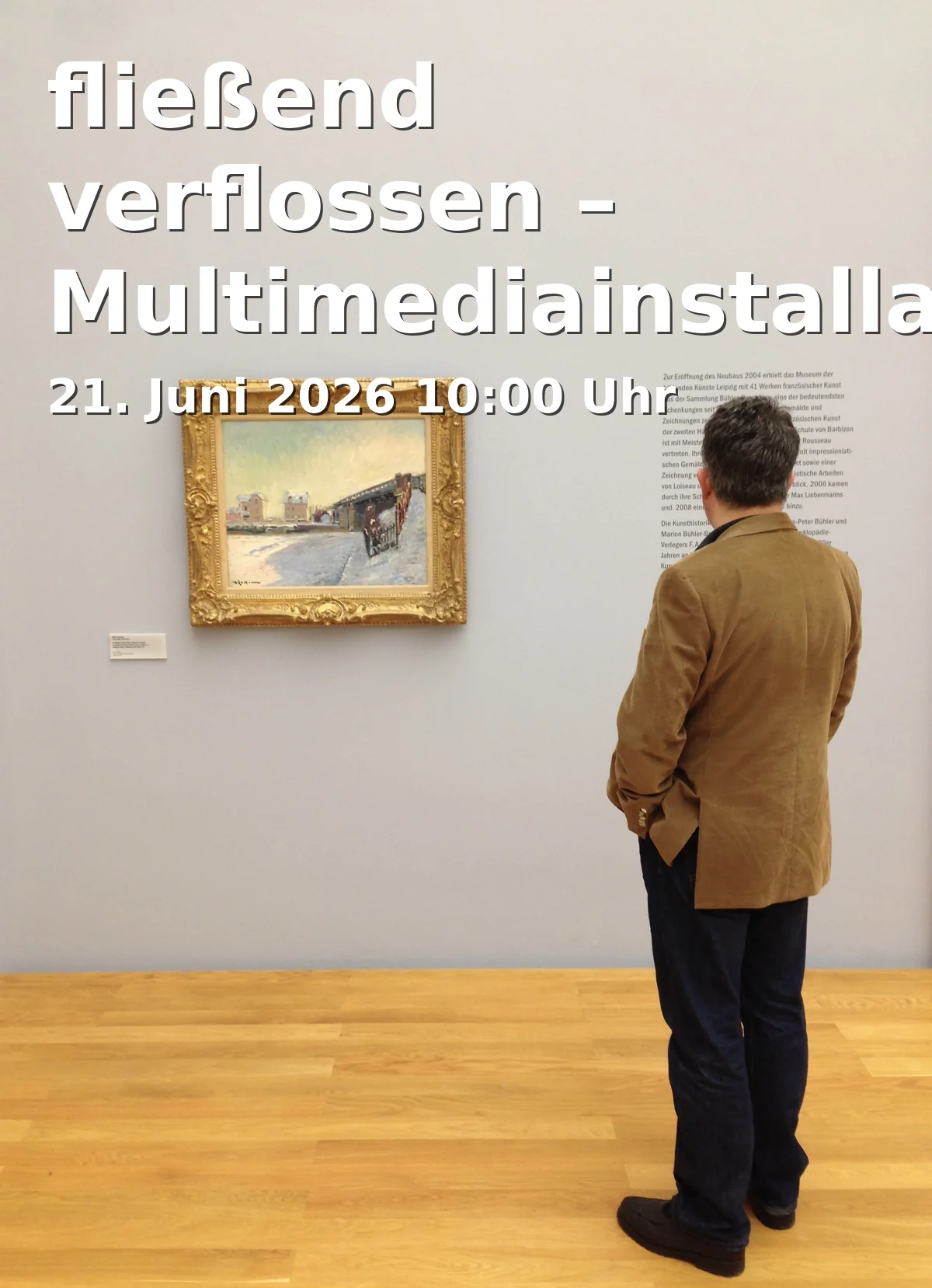
flowing has flowed – Multimedia installation in Regensburg
Regensburg sees its Vitusbach anew: flowing has flowed connects water, World Heritage, and art to a quiet, powerful experience. Discover for free. #Regensburg #Art
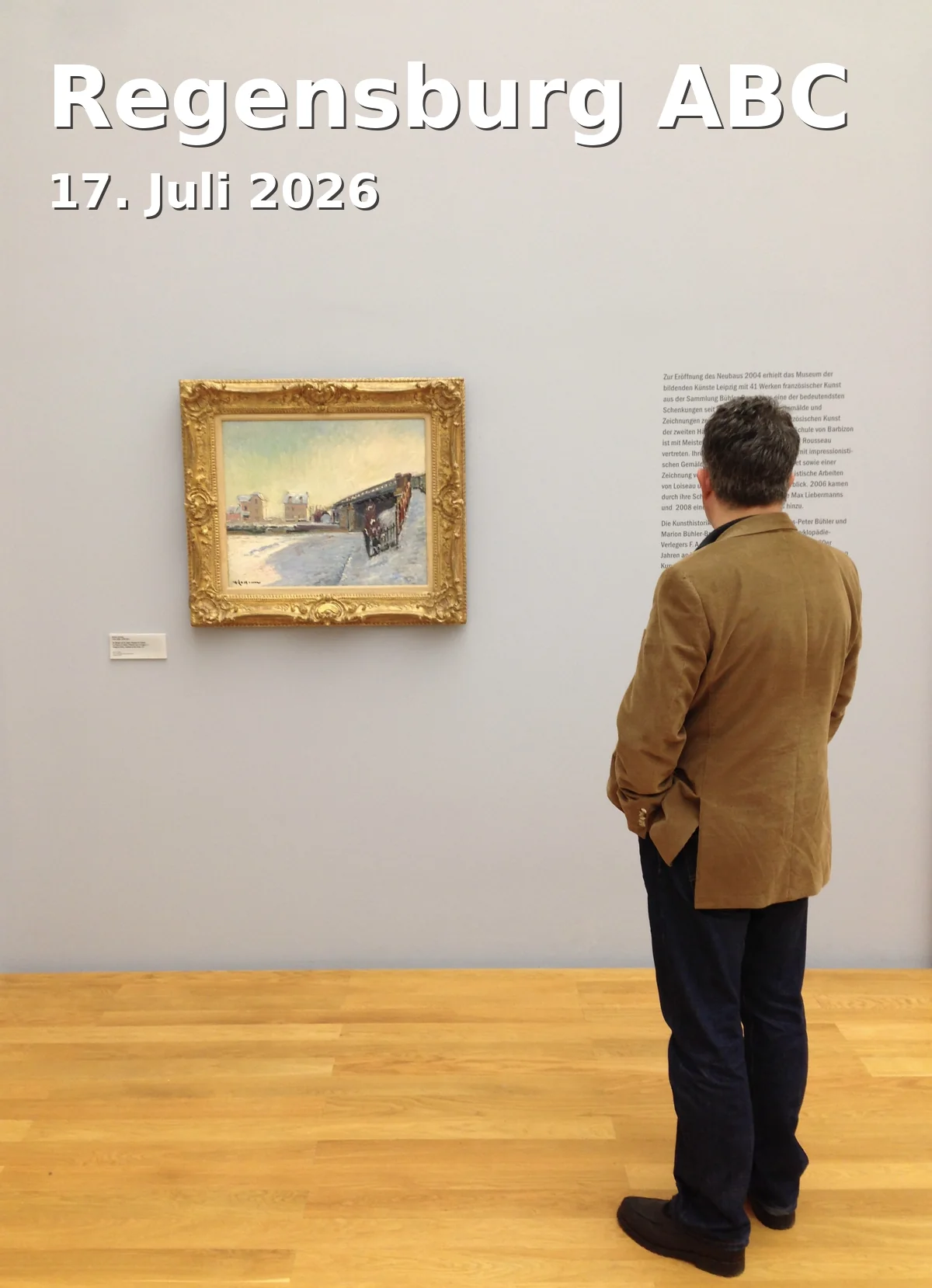
Regensburg ABC
Explore the "Regensburg ABC" exhibition in the historic Salzstadel. Experience art and history of the World Heritage City.
Frequently Asked Questions
Reviews
Patrick Kattan
7. April 2025
A Must-Visit! This place offers a great overview of Regensburg’s rich history — from the inauguration of the iconic Stone Bridge and the city’s most prominent dynasties to the first-ever European Union assembly, which took place here centuries ago. I visited on a Sunday; it was open and free of charge. The reception staff was incredibly kind and even offered me a free guided tour! Although I came alone, the guide was very enthusiastic, and we started the tour just the two of us. As we went along, more visitors joined in, and we ended up being a group of around ten. The tour was conducted in High German. The guide was very helpful, and despite being alone at first, she explained everything with passion. I have above-average German skills, so I could follow over 80% of the tour. Interestingly, she also mentioned that similar tours are available in “easy German” — which means High German spoken slowly, using simpler, more familiar vocabulary.
James Lipsette
2. September 2024
Absolutely beautiful location! A must see if in the area. Great places to eat nearby.
Evgeniia
30. November 2024
Nice place! You can take free map + some free souvenirs. Also some information stands about the city.
D Kovacova
29. May 2025
Spent about half an hour here, didn't get a tour. All displays are in German as well as in English.
James Ryan
6. December 2023
Beautiful city, lots to do, great restaurants and shops.