
Regensburg
Weingasse 1, 93047 Regensburg, Deutschland
W1 - Center for Young Culture | Photos & Reviews
The W1 at Weingasse 1 is Regensburg's house for young culture: a municipal institution for open youth work and cultural youth education, opened in spring 2009 in the premises of the former youth center Weingasse. Spanning almost 1,000 square meters and spread over four floors, the house offers space for concerts, exhibitions, workshops, rehearsals, theater, film, and many other formats. The W1 is particularly interesting for visitors when they are looking for programs, photos, reviews, or very specific information about directions, parking, and rooms. ([regensburg.de](https://www.regensburg.de/kultur/kulturdatenbank/eintrag/121565?utm_source=openai))
Current Program, Events, and Cultural Café
Those searching for programs at W1 quickly land at the Cultural Café, the central meeting point and event space of the house. Regular concerts, readings, theater performances, film screenings, poetry slams, handmade workshops, and open formats take place here. The official page describes the Cultural Café as the heart of W1, where culture is not only shown but also learned, created, and networked. This is precisely the special search intention behind many inquiries such as W1 program, W1 events, or W1 Cultural Café: Visitors want to know not only what is generally offered but also what kind of evening or workshop they can specifically expect. ([regensburg.de](https://www.regensburg.de/w1/das-w1/raeume-ausstattung))
Particularly striking is the range of formats. At W1, there are not only classic stage events but also open, low-threshold, and participatory offerings. These include, for example, the event series Home is where the Art is, described as a kind of Open Stage for various fields of contemporary art, as well as formats from the areas of music, dance, theater, art, handmade, film, language art, and lifestyle. For the target group of 14 to 26 years, W1 is a place where one can watch, participate, try out, and develop one's own ideas. At the same time, the house also addresses other people interested in young culture or who want to contribute something themselves. This is important because many search queries do not just sound like a request for an event location but for an open cultural space in Regensburg's old town. ([regensburg.de](https://www.regensburg.de/kultur/kulturdatenbank/eintrag/121565?utm_source=openai))
The event times are also relevant for planning. The venue info of W1 states that music events take place on Thursdays, Fridays, or Saturdays between 4:00 PM and no later than midnight. This fits the profile of a house that aims to promote young culture while also being considerate of the neighborhood in an urban environment. According to documents, the sound insulation is designed to ensure compliance with the specified values. This is relevant for SEO and user inquiries because it shows that W1 is not just any club space but a clearly organized cultural venue with understandable framework conditions. Therefore, those searching for W1 program or W1 events expect not only creativity here but also reliability and structure. ([regensburg.de](https://www.regensburg.de/sixcms/media.php/464/Venue%20Info%20W1%2C%20Regensburg.pdf))
The thematic orientation of the house is also visible through collaborations. The official page mentions examples such as PUSH - Regensburg Pop Culture Festival, the International Short Film Week, the Youth Photography Award Upper Palatinate, and writing competitions. This shows: W1 is not just a space for individual events but a networking place for the young scene, cultural work, and project-based collaboration. This broad usage is important for search queries with terms like program, event location, cultural center, or W1 Regensburg because it explains the position of the house in the Regensburg cultural landscape. Therefore, when looking at the program, one usually discovers not a rigid scheme but a lively mix of courses, actions, presentations, and encounters. ([regensburg.de](https://www.regensburg.de/kultur/kulturdatenbank/eintrag/121565?utm_source=openai))
Directions to W1 and Parking in Regensburg's Old Town
The keywords around W1 directions and W1 parking quickly reveal a very practical need: The house is located in the middle of the old town, which shapes the entire visitor situation. According to the official contact and directions page, there are no parking spaces in the immediate vicinity of W1. The nearest parking options are the parking garages at Arnulfsplatz or Bismarckplatz, both of which are paid. Therefore, those arriving by car should not expect a parking space right at the door but should plan for a short walk from the start of their visit to the old town. This is not a disadvantage of the house but a direct consequence of its special location in Regensburg's city center and pedestrian zone. ([regensburg.de](https://www.regensburg.de/w1/das-w1/kontakt-und-anfahrt?utm_source=openai))
For visitors arriving by public transport, W1 is much more straightforward. The official information mentions the stops Haidplatz, Fischmarkt, and Arnulfsplatz as nearby points. It is about 100 meters on foot from Haidplatz and about 200 meters from Fischmarkt. This makes W1 easily accessible for people traveling without their own car or consciously wanting to avoid the old town traffic. At the same time, the venue info points out that loading and unloading for cars and trucks is only possible for a limited time because the street is in a pedestrian zone. Therefore, anyone delivering equipment, materials, or props should definitely factor this into their planning. ([regensburg.de](https://www.regensburg.de/w1/das-w1/kontakt-und-anfahrt?utm_source=openai))
For a location like W1, this position is an important part of its identity. The center is not located in an isolated cultural complex on the outskirts but in the midst of the historical fabric of the old town. The journey becomes somewhat more urban, tighter, and pedestrian-oriented, but also more charming. Many users are therefore searching for terms like W1 Regensburg or W1 Center for Young Culture Regensburg because they expect a clear meeting point in a central location. Those attending an event should be prepared to walk the last stretch and plan for a parking garage early on. This way, the parking issue becomes no stress factor but simply a normal part of the old town visit. ([regensburg.de](https://www.regensburg.de/w1/das-w1/kontakt-und-anfahrt?utm_source=openai))
There are also clear indications for taxis and pickup situations. The documents mention the taxi stand at Haidplatz, also about 100 meters from the house. This makes W1 interesting for guests who want to continue comfortably after an evening event or wish to arrive with less distance. Overall, the arrival situation shows that W1 is very well integrated into the old town, but it does not represent a classic delivery or parking location. Those who consider this in their planning can start their visit much more relaxed. It is precisely these practical pieces of information that make inquiries about parking, directions, and W1 Regensburg so relevant. ([regensburg.de](https://www.regensburg.de/w1/das-w1/kontakt-und-anfahrt?utm_source=openai))
Rooms, Equipment, and Capacity at W1
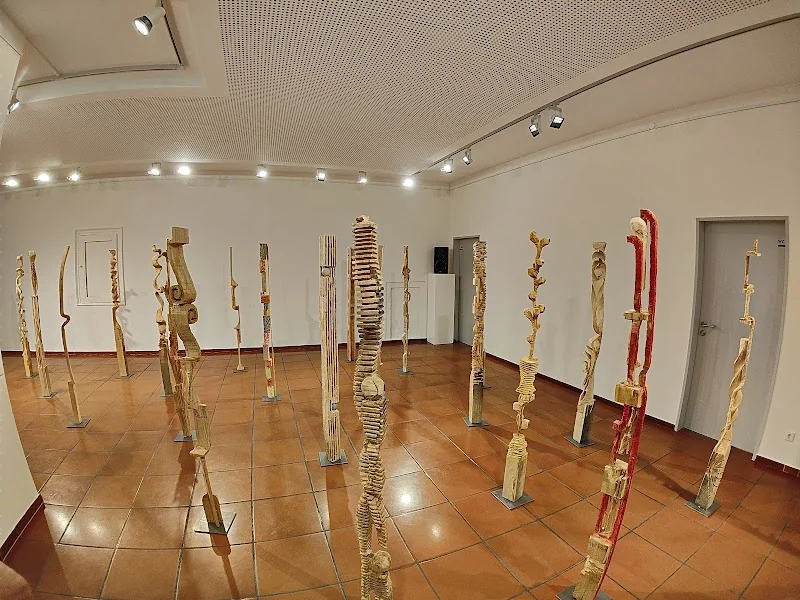
The rooms of W1 are a key reason why the house is more than just a single stage. The official page describes the Cultural Café on the ground floor, the dance hall on the first floor, the gallery, the project workshop, the studio, the sound studio, and the theater hall. What is special about this is not only the number of rooms but also their logic of use: W1 is designed so that culture can be created, tested, shown, and further developed there. In the Cultural Café, café operations and events come together, in the dance hall, choreographies and courses are possible, the gallery opens exhibitions, the project workshop serves meetings and workshops, the studio is a place for creative handwork, the sound studio supports audio productions, and the theater hall creates space for larger formats. ([regensburg.de](https://www.regensburg.de/w1/das-w1/raeume-ausstattung))
Particularly important for inquiries regarding capacity and seating plans are the specific numbers from the venue info. The event space on the ground floor has an area of 93.79 square meters, including stage and bar. It is about 19.50 meters long, between 3.75 and 5.33 meters wide, and offers space for about 100 people unseated or around 50 people seated. The stage measures 18.39 square meters, and the bar is L-shaped and equipped with cooling units, a washing facility, a glass washer, and a portafilter coffee machine. These details are relevant not only for event organizers but also for guests who wonder how intimate or how dense an evening at W1 feels. With about 100 seats, the house in this configuration belongs to the more compact venues, but often particularly approachable locations. ([regensburg.de](https://www.regensburg.de/sixcms/media.php/464/Venue%20Info%20W1%2C%20Regensburg.pdf))
The theater hall significantly expands the offering. It is located on the third floor, covers about 200 square meters, and offers seating for up to 70 spectators with a seated grandstand. The ground-level stage can be staged with theater lighting and modeled with room dividers. At the same time, the official room description points out that amplified music events are not possible there due to volume restrictions. This illustrates very well how differentiated W1 utilizes its spaces: Not every room is suitable for everything, but almost every form of young culture finds a suitable place. This diversity makes the house attractive for workshops, rehearsals, art projects, readings, theater, and smaller stage formats. ([regensburg.de](https://www.regensburg.de/w1/das-w1/raeume-ausstattung))
The sound studio and the studio also deserve attention because they sharpen the creative profile of the house. The sound studio is described as a project studio for small and medium audio productions, such as demos, simple music productions, film scoring, podcasts, and voice recordings. It is not intended for independent rental but is used in cooperation. The studio, on the other hand, is equipped with sewing machines, easels, paints, fabrics, leather scraps, papers, and other materials suitable for upcycling, art, and handwork. Those searching for W1 cultural center, W1 photos, or W1 room concept thus get a very clear picture: This is not about a single representative hall but about a multifunctional cultural house with work, presentation, and encounters under one roof. ([regensburg.de](https://www.regensburg.de/w1/das-w1/raeume-ausstattung))
Photos, Impressions, and History of W1
The search query for W1 photos is more than just a desire for beautiful images. It usually signals that someone wants to assess the atmosphere of the house: What does it look like inside, does it feel open or rather small, more modern or more experimental? The official pages provide a clear answer to this because they visually document many rooms while also showing the self-understanding of the house. W1 sees itself as a place where young culture does not only take place on stage but becomes visible in all the rooms of the house. The Cultural Café, dance hall, gallery, studio, project workshop, and theater hall together create an image of versatility that resonates immediately in photos and impressions. Those clicking through the official content online thus not only receive information but also a fairly good sense of the atmosphere on site. ([regensburg.de](https://www.regensburg.de/w1/das-w1/raeume-ausstattung))
The history of the house also contributes to its perception. W1 was opened in spring 2009 in the premises of the former youth center Weingasse. Since then, it has been established as a municipal institution for open youth work and cultural youth education and is organizationally part of the Office for Municipal Youth Work. This is important because it explains the character of the house: It is not a commercial event operation but a public cultural venue with educational and participatory mandates. This historical and structural anchoring makes many of today's offerings understandable, from courses to exhibitions to open formats. This classification is particularly helpful for visitors searching for reviews or background information because it shows W1 as a long-term part of the Regensburg cultural landscape. ([regensburg.de](https://www.regensburg.de/kultur/kulturdatenbank/eintrag/121565?utm_source=openai))
That W1 is located in the heart of Regensburg is also part of its image. The official description emphasizes the almost 1,000 square meters of space in the city center. At the same time, the house works with a mix of low-threshold offerings and professionally usable spaces. This creates an impression that is reflected in many search queries: Users want not just an event location but a place with atmosphere, identity, and a recognizable stance. W1 fulfills exactly that because it does not try to do everything at once. Instead, it remains deliberately diverse, youthful, and open to experiments. In the photos and descriptions, one sees less a standardized event location and more a house with character, life, and visible use. ([regensburg.de](https://www.regensburg.de/w1/das-w1/idee-konzept))
Ratings and social perception also play a role here. The available rating data shows 4.8 stars from 111 reviews, indicating a very positive perception of the house. Together with the official self-presentation, this creates the image of a location that not only works on paper but evidently also convinces in everyday life. Particularly for search queries like W1 reviews or W1 center Regensburg, this is crucial for many people: They want to know not only what is offered but also how the house is received by others. In conjunction with the images on the official pages, this creates a fairly credible, modern impression of a place that remains culturally vibrant and approachable. ([regensburg.de](https://www.regensburg.de/w1/das-w1/raeume-ausstattung))
Queer Art, Workshops, and Young Culture in Regensburg
A particularly strong keyword field around W1 concerns queer art in Regensburg. The official content of the house clearly shows that W1 is also an active and relevant place in this area. The art page introduces the group Queer Art Regensburg, which is aimed at people from the LGBTQIA+ community who want to express themselves creatively and artistically. The group develops artworks together, prepares for events like CSD, and supports creative processes with various media. The central goal is a safe space where collaborative creation is at the forefront. For search queries like queer art regensburg w1 center for young culture, this is a very clear and authentic reference. ([regensburg.de](https://www.regensburg.de/w1/angebot/kunst?utm_source=openai))
Particularly interesting is the regularity and openness of the offerings. According to the official description, the group meets weekly on Fridays from 4 to 6 PM in the studio on the second floor of W1, and no registration is required. This is an important signal for many visitors because it shows that W1 does not need a closed scene to enable cultural participation. On the contrary: The house creates spaces where people can participate without significant barriers. In addition, there is another format with the Queer Dance Hour in the Cultural Café, which explicitly provides a safe space for queer people and incorporates elements like salsa, bachata, and kizomba. This mix of creativity, movement, and community makes W1 very interesting for a modern urban cultural audience. ([regensburg.de](https://www.regensburg.de/w1/angebot/kunst?utm_source=openai))
Beyond that, the workshop character of W1 is strongly pronounced. The official concept page describes courses and workshops in the areas of dance, theater, visual arts, film, photography, handmade, language art, music, and lifestyle. This means: Those visiting W1 experience not only events in the classical sense but also learning and creation processes. This is particularly important for young people because the threshold for their own creativity lowers when the place not only consumes but also encourages. W1 thus becomes a space where one can become active oneself. Many search queries for W1 cultural center, W1 events, or W1 photos therefore actually mean exactly this feeling: Where is a place in Regensburg that feels open, creative, social, and not elitist? W1 answers this question very consistently. ([regensburg.de](https://www.regensburg.de/w1/das-w1/idee-konzept))
The societal significance of the house is also evident in that young culture is understood here as a broad practice. It is not just about concerts but also about craftsmanship, language, movement, film, exhibitions, and self-organization. W1 is thus not merely a stage but a cultural ecosystem for ideas, groups, and initiatives. Especially because the house is supported by the city and anchored in youth culture, it can offer experimental spaces that are often lacking in purely commercial venues. For the search intention behind terms like W1 center for young culture Regensburg or W1 cultural café, this means: You will not find an interchangeable event space here but a clearly profiled house with local relevance and genuine content depth. ([regensburg.de](https://www.regensburg.de/kultur/kulturdatenbank/eintrag/121565?utm_source=openai))
Accessibility and Practical Information for the Visit
Those wishing to visit W1 should be aware of the practical framework conditions. The house is located in a listed building and is unfortunately not fully accessible according to the official accessibility page. There are several floors but no elevator. The ground floor is accessible via a small step at the entrance, and the restrooms are located on the upper floors. While a portable wheelchair ramp is available to overcome up to two steps, access remains limited. This is important information for people with mobility impairments that should be planned for before a visit. ([regensburg.de](https://www.regensburg.de/w1/das-w1/barrierefreiheit))
At the same time, it shows how the team deals with the structural conditions. The official accessibility page points out that the team helps where possible and that information is provided by phone or email about which offerings can still be used despite impairments. There is also a barrier-free restroom on the ground floor, although access is limited. This mix of openness and structural limits is typical for historical old town buildings. For visitors, this means primarily checking in advance which room or format at W1 fits their own needs. Those who make contact early can usually clarify many questions quickly. ([regensburg.de](https://www.regensburg.de/w1/das-w1/barrierefreiheit))
Practically relevant are also things like cloakroom, box office, and catering. According to venue info, there is no supervised cloakroom; instead, there is an unmonitored cloakroom area in the event space. The box office is located in the hallway. The Cultural Café, on the other hand, is not only an event space but also a place with a gastronomic character. For an evening at W1, this means: The house feels more personal and approachable than anonymous or oversized. Many guests appreciate this because it makes the visit uncomplicated and direct. At the same time, one should plan a bit more time for larger events or events with a lot of materials because the paths within the building and in the old town itself are not comparable to a modern event campus. ([regensburg.de](https://www.regensburg.de/sixcms/media.php/464/Venue%20Info%20W1%2C%20Regensburg.pdf))
Finally, it is worth taking a look at the target group and character of the house. W1 primarily targets adolescents and young adults aged 14 to 26 but is also explicitly open to others interested in young culture or who want to contribute something. This openness shapes the entire visit: W1 is not an elitist cultural temple but a municipally organized place for participation, exchange, and creative development. Therefore, those searching for W1 accessibility, W1 directions, W1 parking, W1 program, or W1 reviews will find not only an address here but also a pretty clear profile. This is precisely where the strength of this location lies: It combines a central location, thematic diversity, and a young cultural spirit into a distinctive place in Regensburg. ([regensburg.de](https://www.regensburg.de/kultur/kulturdatenbank/eintrag/121565?utm_source=openai))
Sources:
Show moreShow less
W1 - Center for Young Culture | Photos & Reviews
The W1 at Weingasse 1 is Regensburg's house for young culture: a municipal institution for open youth work and cultural youth education, opened in spring 2009 in the premises of the former youth center Weingasse. Spanning almost 1,000 square meters and spread over four floors, the house offers space for concerts, exhibitions, workshops, rehearsals, theater, film, and many other formats. The W1 is particularly interesting for visitors when they are looking for programs, photos, reviews, or very specific information about directions, parking, and rooms. ([regensburg.de](https://www.regensburg.de/kultur/kulturdatenbank/eintrag/121565?utm_source=openai))
Current Program, Events, and Cultural Café
Those searching for programs at W1 quickly land at the Cultural Café, the central meeting point and event space of the house. Regular concerts, readings, theater performances, film screenings, poetry slams, handmade workshops, and open formats take place here. The official page describes the Cultural Café as the heart of W1, where culture is not only shown but also learned, created, and networked. This is precisely the special search intention behind many inquiries such as W1 program, W1 events, or W1 Cultural Café: Visitors want to know not only what is generally offered but also what kind of evening or workshop they can specifically expect. ([regensburg.de](https://www.regensburg.de/w1/das-w1/raeume-ausstattung))
Particularly striking is the range of formats. At W1, there are not only classic stage events but also open, low-threshold, and participatory offerings. These include, for example, the event series Home is where the Art is, described as a kind of Open Stage for various fields of contemporary art, as well as formats from the areas of music, dance, theater, art, handmade, film, language art, and lifestyle. For the target group of 14 to 26 years, W1 is a place where one can watch, participate, try out, and develop one's own ideas. At the same time, the house also addresses other people interested in young culture or who want to contribute something themselves. This is important because many search queries do not just sound like a request for an event location but for an open cultural space in Regensburg's old town. ([regensburg.de](https://www.regensburg.de/kultur/kulturdatenbank/eintrag/121565?utm_source=openai))
The event times are also relevant for planning. The venue info of W1 states that music events take place on Thursdays, Fridays, or Saturdays between 4:00 PM and no later than midnight. This fits the profile of a house that aims to promote young culture while also being considerate of the neighborhood in an urban environment. According to documents, the sound insulation is designed to ensure compliance with the specified values. This is relevant for SEO and user inquiries because it shows that W1 is not just any club space but a clearly organized cultural venue with understandable framework conditions. Therefore, those searching for W1 program or W1 events expect not only creativity here but also reliability and structure. ([regensburg.de](https://www.regensburg.de/sixcms/media.php/464/Venue%20Info%20W1%2C%20Regensburg.pdf))
The thematic orientation of the house is also visible through collaborations. The official page mentions examples such as PUSH - Regensburg Pop Culture Festival, the International Short Film Week, the Youth Photography Award Upper Palatinate, and writing competitions. This shows: W1 is not just a space for individual events but a networking place for the young scene, cultural work, and project-based collaboration. This broad usage is important for search queries with terms like program, event location, cultural center, or W1 Regensburg because it explains the position of the house in the Regensburg cultural landscape. Therefore, when looking at the program, one usually discovers not a rigid scheme but a lively mix of courses, actions, presentations, and encounters. ([regensburg.de](https://www.regensburg.de/kultur/kulturdatenbank/eintrag/121565?utm_source=openai))
Directions to W1 and Parking in Regensburg's Old Town
The keywords around W1 directions and W1 parking quickly reveal a very practical need: The house is located in the middle of the old town, which shapes the entire visitor situation. According to the official contact and directions page, there are no parking spaces in the immediate vicinity of W1. The nearest parking options are the parking garages at Arnulfsplatz or Bismarckplatz, both of which are paid. Therefore, those arriving by car should not expect a parking space right at the door but should plan for a short walk from the start of their visit to the old town. This is not a disadvantage of the house but a direct consequence of its special location in Regensburg's city center and pedestrian zone. ([regensburg.de](https://www.regensburg.de/w1/das-w1/kontakt-und-anfahrt?utm_source=openai))
For visitors arriving by public transport, W1 is much more straightforward. The official information mentions the stops Haidplatz, Fischmarkt, and Arnulfsplatz as nearby points. It is about 100 meters on foot from Haidplatz and about 200 meters from Fischmarkt. This makes W1 easily accessible for people traveling without their own car or consciously wanting to avoid the old town traffic. At the same time, the venue info points out that loading and unloading for cars and trucks is only possible for a limited time because the street is in a pedestrian zone. Therefore, anyone delivering equipment, materials, or props should definitely factor this into their planning. ([regensburg.de](https://www.regensburg.de/w1/das-w1/kontakt-und-anfahrt?utm_source=openai))
For a location like W1, this position is an important part of its identity. The center is not located in an isolated cultural complex on the outskirts but in the midst of the historical fabric of the old town. The journey becomes somewhat more urban, tighter, and pedestrian-oriented, but also more charming. Many users are therefore searching for terms like W1 Regensburg or W1 Center for Young Culture Regensburg because they expect a clear meeting point in a central location. Those attending an event should be prepared to walk the last stretch and plan for a parking garage early on. This way, the parking issue becomes no stress factor but simply a normal part of the old town visit. ([regensburg.de](https://www.regensburg.de/w1/das-w1/kontakt-und-anfahrt?utm_source=openai))
There are also clear indications for taxis and pickup situations. The documents mention the taxi stand at Haidplatz, also about 100 meters from the house. This makes W1 interesting for guests who want to continue comfortably after an evening event or wish to arrive with less distance. Overall, the arrival situation shows that W1 is very well integrated into the old town, but it does not represent a classic delivery or parking location. Those who consider this in their planning can start their visit much more relaxed. It is precisely these practical pieces of information that make inquiries about parking, directions, and W1 Regensburg so relevant. ([regensburg.de](https://www.regensburg.de/w1/das-w1/kontakt-und-anfahrt?utm_source=openai))
Rooms, Equipment, and Capacity at W1
The rooms of W1 are a key reason why the house is more than just a single stage. The official page describes the Cultural Café on the ground floor, the dance hall on the first floor, the gallery, the project workshop, the studio, the sound studio, and the theater hall. What is special about this is not only the number of rooms but also their logic of use: W1 is designed so that culture can be created, tested, shown, and further developed there. In the Cultural Café, café operations and events come together, in the dance hall, choreographies and courses are possible, the gallery opens exhibitions, the project workshop serves meetings and workshops, the studio is a place for creative handwork, the sound studio supports audio productions, and the theater hall creates space for larger formats. ([regensburg.de](https://www.regensburg.de/w1/das-w1/raeume-ausstattung))
Particularly important for inquiries regarding capacity and seating plans are the specific numbers from the venue info. The event space on the ground floor has an area of 93.79 square meters, including stage and bar. It is about 19.50 meters long, between 3.75 and 5.33 meters wide, and offers space for about 100 people unseated or around 50 people seated. The stage measures 18.39 square meters, and the bar is L-shaped and equipped with cooling units, a washing facility, a glass washer, and a portafilter coffee machine. These details are relevant not only for event organizers but also for guests who wonder how intimate or how dense an evening at W1 feels. With about 100 seats, the house in this configuration belongs to the more compact venues, but often particularly approachable locations. ([regensburg.de](https://www.regensburg.de/sixcms/media.php/464/Venue%20Info%20W1%2C%20Regensburg.pdf))
The theater hall significantly expands the offering. It is located on the third floor, covers about 200 square meters, and offers seating for up to 70 spectators with a seated grandstand. The ground-level stage can be staged with theater lighting and modeled with room dividers. At the same time, the official room description points out that amplified music events are not possible there due to volume restrictions. This illustrates very well how differentiated W1 utilizes its spaces: Not every room is suitable for everything, but almost every form of young culture finds a suitable place. This diversity makes the house attractive for workshops, rehearsals, art projects, readings, theater, and smaller stage formats. ([regensburg.de](https://www.regensburg.de/w1/das-w1/raeume-ausstattung))
The sound studio and the studio also deserve attention because they sharpen the creative profile of the house. The sound studio is described as a project studio for small and medium audio productions, such as demos, simple music productions, film scoring, podcasts, and voice recordings. It is not intended for independent rental but is used in cooperation. The studio, on the other hand, is equipped with sewing machines, easels, paints, fabrics, leather scraps, papers, and other materials suitable for upcycling, art, and handwork. Those searching for W1 cultural center, W1 photos, or W1 room concept thus get a very clear picture: This is not about a single representative hall but about a multifunctional cultural house with work, presentation, and encounters under one roof. ([regensburg.de](https://www.regensburg.de/w1/das-w1/raeume-ausstattung))
Photos, Impressions, and History of W1
The search query for W1 photos is more than just a desire for beautiful images. It usually signals that someone wants to assess the atmosphere of the house: What does it look like inside, does it feel open or rather small, more modern or more experimental? The official pages provide a clear answer to this because they visually document many rooms while also showing the self-understanding of the house. W1 sees itself as a place where young culture does not only take place on stage but becomes visible in all the rooms of the house. The Cultural Café, dance hall, gallery, studio, project workshop, and theater hall together create an image of versatility that resonates immediately in photos and impressions. Those clicking through the official content online thus not only receive information but also a fairly good sense of the atmosphere on site. ([regensburg.de](https://www.regensburg.de/w1/das-w1/raeume-ausstattung))
The history of the house also contributes to its perception. W1 was opened in spring 2009 in the premises of the former youth center Weingasse. Since then, it has been established as a municipal institution for open youth work and cultural youth education and is organizationally part of the Office for Municipal Youth Work. This is important because it explains the character of the house: It is not a commercial event operation but a public cultural venue with educational and participatory mandates. This historical and structural anchoring makes many of today's offerings understandable, from courses to exhibitions to open formats. This classification is particularly helpful for visitors searching for reviews or background information because it shows W1 as a long-term part of the Regensburg cultural landscape. ([regensburg.de](https://www.regensburg.de/kultur/kulturdatenbank/eintrag/121565?utm_source=openai))
That W1 is located in the heart of Regensburg is also part of its image. The official description emphasizes the almost 1,000 square meters of space in the city center. At the same time, the house works with a mix of low-threshold offerings and professionally usable spaces. This creates an impression that is reflected in many search queries: Users want not just an event location but a place with atmosphere, identity, and a recognizable stance. W1 fulfills exactly that because it does not try to do everything at once. Instead, it remains deliberately diverse, youthful, and open to experiments. In the photos and descriptions, one sees less a standardized event location and more a house with character, life, and visible use. ([regensburg.de](https://www.regensburg.de/w1/das-w1/idee-konzept))
Ratings and social perception also play a role here. The available rating data shows 4.8 stars from 111 reviews, indicating a very positive perception of the house. Together with the official self-presentation, this creates the image of a location that not only works on paper but evidently also convinces in everyday life. Particularly for search queries like W1 reviews or W1 center Regensburg, this is crucial for many people: They want to know not only what is offered but also how the house is received by others. In conjunction with the images on the official pages, this creates a fairly credible, modern impression of a place that remains culturally vibrant and approachable. ([regensburg.de](https://www.regensburg.de/w1/das-w1/raeume-ausstattung))
Queer Art, Workshops, and Young Culture in Regensburg
A particularly strong keyword field around W1 concerns queer art in Regensburg. The official content of the house clearly shows that W1 is also an active and relevant place in this area. The art page introduces the group Queer Art Regensburg, which is aimed at people from the LGBTQIA+ community who want to express themselves creatively and artistically. The group develops artworks together, prepares for events like CSD, and supports creative processes with various media. The central goal is a safe space where collaborative creation is at the forefront. For search queries like queer art regensburg w1 center for young culture, this is a very clear and authentic reference. ([regensburg.de](https://www.regensburg.de/w1/angebot/kunst?utm_source=openai))
Particularly interesting is the regularity and openness of the offerings. According to the official description, the group meets weekly on Fridays from 4 to 6 PM in the studio on the second floor of W1, and no registration is required. This is an important signal for many visitors because it shows that W1 does not need a closed scene to enable cultural participation. On the contrary: The house creates spaces where people can participate without significant barriers. In addition, there is another format with the Queer Dance Hour in the Cultural Café, which explicitly provides a safe space for queer people and incorporates elements like salsa, bachata, and kizomba. This mix of creativity, movement, and community makes W1 very interesting for a modern urban cultural audience. ([regensburg.de](https://www.regensburg.de/w1/angebot/kunst?utm_source=openai))
Beyond that, the workshop character of W1 is strongly pronounced. The official concept page describes courses and workshops in the areas of dance, theater, visual arts, film, photography, handmade, language art, music, and lifestyle. This means: Those visiting W1 experience not only events in the classical sense but also learning and creation processes. This is particularly important for young people because the threshold for their own creativity lowers when the place not only consumes but also encourages. W1 thus becomes a space where one can become active oneself. Many search queries for W1 cultural center, W1 events, or W1 photos therefore actually mean exactly this feeling: Where is a place in Regensburg that feels open, creative, social, and not elitist? W1 answers this question very consistently. ([regensburg.de](https://www.regensburg.de/w1/das-w1/idee-konzept))
The societal significance of the house is also evident in that young culture is understood here as a broad practice. It is not just about concerts but also about craftsmanship, language, movement, film, exhibitions, and self-organization. W1 is thus not merely a stage but a cultural ecosystem for ideas, groups, and initiatives. Especially because the house is supported by the city and anchored in youth culture, it can offer experimental spaces that are often lacking in purely commercial venues. For the search intention behind terms like W1 center for young culture Regensburg or W1 cultural café, this means: You will not find an interchangeable event space here but a clearly profiled house with local relevance and genuine content depth. ([regensburg.de](https://www.regensburg.de/kultur/kulturdatenbank/eintrag/121565?utm_source=openai))
Accessibility and Practical Information for the Visit
Those wishing to visit W1 should be aware of the practical framework conditions. The house is located in a listed building and is unfortunately not fully accessible according to the official accessibility page. There are several floors but no elevator. The ground floor is accessible via a small step at the entrance, and the restrooms are located on the upper floors. While a portable wheelchair ramp is available to overcome up to two steps, access remains limited. This is important information for people with mobility impairments that should be planned for before a visit. ([regensburg.de](https://www.regensburg.de/w1/das-w1/barrierefreiheit))
At the same time, it shows how the team deals with the structural conditions. The official accessibility page points out that the team helps where possible and that information is provided by phone or email about which offerings can still be used despite impairments. There is also a barrier-free restroom on the ground floor, although access is limited. This mix of openness and structural limits is typical for historical old town buildings. For visitors, this means primarily checking in advance which room or format at W1 fits their own needs. Those who make contact early can usually clarify many questions quickly. ([regensburg.de](https://www.regensburg.de/w1/das-w1/barrierefreiheit))
Practically relevant are also things like cloakroom, box office, and catering. According to venue info, there is no supervised cloakroom; instead, there is an unmonitored cloakroom area in the event space. The box office is located in the hallway. The Cultural Café, on the other hand, is not only an event space but also a place with a gastronomic character. For an evening at W1, this means: The house feels more personal and approachable than anonymous or oversized. Many guests appreciate this because it makes the visit uncomplicated and direct. At the same time, one should plan a bit more time for larger events or events with a lot of materials because the paths within the building and in the old town itself are not comparable to a modern event campus. ([regensburg.de](https://www.regensburg.de/sixcms/media.php/464/Venue%20Info%20W1%2C%20Regensburg.pdf))
Finally, it is worth taking a look at the target group and character of the house. W1 primarily targets adolescents and young adults aged 14 to 26 but is also explicitly open to others interested in young culture or who want to contribute something. This openness shapes the entire visit: W1 is not an elitist cultural temple but a municipally organized place for participation, exchange, and creative development. Therefore, those searching for W1 accessibility, W1 directions, W1 parking, W1 program, or W1 reviews will find not only an address here but also a pretty clear profile. This is precisely where the strength of this location lies: It combines a central location, thematic diversity, and a young cultural spirit into a distinctive place in Regensburg. ([regensburg.de](https://www.regensburg.de/kultur/kulturdatenbank/eintrag/121565?utm_source=openai))
Sources:
W1 - Center for Young Culture | Photos & Reviews
The W1 at Weingasse 1 is Regensburg's house for young culture: a municipal institution for open youth work and cultural youth education, opened in spring 2009 in the premises of the former youth center Weingasse. Spanning almost 1,000 square meters and spread over four floors, the house offers space for concerts, exhibitions, workshops, rehearsals, theater, film, and many other formats. The W1 is particularly interesting for visitors when they are looking for programs, photos, reviews, or very specific information about directions, parking, and rooms. ([regensburg.de](https://www.regensburg.de/kultur/kulturdatenbank/eintrag/121565?utm_source=openai))
Current Program, Events, and Cultural Café
Those searching for programs at W1 quickly land at the Cultural Café, the central meeting point and event space of the house. Regular concerts, readings, theater performances, film screenings, poetry slams, handmade workshops, and open formats take place here. The official page describes the Cultural Café as the heart of W1, where culture is not only shown but also learned, created, and networked. This is precisely the special search intention behind many inquiries such as W1 program, W1 events, or W1 Cultural Café: Visitors want to know not only what is generally offered but also what kind of evening or workshop they can specifically expect. ([regensburg.de](https://www.regensburg.de/w1/das-w1/raeume-ausstattung))
Particularly striking is the range of formats. At W1, there are not only classic stage events but also open, low-threshold, and participatory offerings. These include, for example, the event series Home is where the Art is, described as a kind of Open Stage for various fields of contemporary art, as well as formats from the areas of music, dance, theater, art, handmade, film, language art, and lifestyle. For the target group of 14 to 26 years, W1 is a place where one can watch, participate, try out, and develop one's own ideas. At the same time, the house also addresses other people interested in young culture or who want to contribute something themselves. This is important because many search queries do not just sound like a request for an event location but for an open cultural space in Regensburg's old town. ([regensburg.de](https://www.regensburg.de/kultur/kulturdatenbank/eintrag/121565?utm_source=openai))
The event times are also relevant for planning. The venue info of W1 states that music events take place on Thursdays, Fridays, or Saturdays between 4:00 PM and no later than midnight. This fits the profile of a house that aims to promote young culture while also being considerate of the neighborhood in an urban environment. According to documents, the sound insulation is designed to ensure compliance with the specified values. This is relevant for SEO and user inquiries because it shows that W1 is not just any club space but a clearly organized cultural venue with understandable framework conditions. Therefore, those searching for W1 program or W1 events expect not only creativity here but also reliability and structure. ([regensburg.de](https://www.regensburg.de/sixcms/media.php/464/Venue%20Info%20W1%2C%20Regensburg.pdf))
The thematic orientation of the house is also visible through collaborations. The official page mentions examples such as PUSH - Regensburg Pop Culture Festival, the International Short Film Week, the Youth Photography Award Upper Palatinate, and writing competitions. This shows: W1 is not just a space for individual events but a networking place for the young scene, cultural work, and project-based collaboration. This broad usage is important for search queries with terms like program, event location, cultural center, or W1 Regensburg because it explains the position of the house in the Regensburg cultural landscape. Therefore, when looking at the program, one usually discovers not a rigid scheme but a lively mix of courses, actions, presentations, and encounters. ([regensburg.de](https://www.regensburg.de/kultur/kulturdatenbank/eintrag/121565?utm_source=openai))
Directions to W1 and Parking in Regensburg's Old Town
The keywords around W1 directions and W1 parking quickly reveal a very practical need: The house is located in the middle of the old town, which shapes the entire visitor situation. According to the official contact and directions page, there are no parking spaces in the immediate vicinity of W1. The nearest parking options are the parking garages at Arnulfsplatz or Bismarckplatz, both of which are paid. Therefore, those arriving by car should not expect a parking space right at the door but should plan for a short walk from the start of their visit to the old town. This is not a disadvantage of the house but a direct consequence of its special location in Regensburg's city center and pedestrian zone. ([regensburg.de](https://www.regensburg.de/w1/das-w1/kontakt-und-anfahrt?utm_source=openai))
For visitors arriving by public transport, W1 is much more straightforward. The official information mentions the stops Haidplatz, Fischmarkt, and Arnulfsplatz as nearby points. It is about 100 meters on foot from Haidplatz and about 200 meters from Fischmarkt. This makes W1 easily accessible for people traveling without their own car or consciously wanting to avoid the old town traffic. At the same time, the venue info points out that loading and unloading for cars and trucks is only possible for a limited time because the street is in a pedestrian zone. Therefore, anyone delivering equipment, materials, or props should definitely factor this into their planning. ([regensburg.de](https://www.regensburg.de/w1/das-w1/kontakt-und-anfahrt?utm_source=openai))
For a location like W1, this position is an important part of its identity. The center is not located in an isolated cultural complex on the outskirts but in the midst of the historical fabric of the old town. The journey becomes somewhat more urban, tighter, and pedestrian-oriented, but also more charming. Many users are therefore searching for terms like W1 Regensburg or W1 Center for Young Culture Regensburg because they expect a clear meeting point in a central location. Those attending an event should be prepared to walk the last stretch and plan for a parking garage early on. This way, the parking issue becomes no stress factor but simply a normal part of the old town visit. ([regensburg.de](https://www.regensburg.de/w1/das-w1/kontakt-und-anfahrt?utm_source=openai))
There are also clear indications for taxis and pickup situations. The documents mention the taxi stand at Haidplatz, also about 100 meters from the house. This makes W1 interesting for guests who want to continue comfortably after an evening event or wish to arrive with less distance. Overall, the arrival situation shows that W1 is very well integrated into the old town, but it does not represent a classic delivery or parking location. Those who consider this in their planning can start their visit much more relaxed. It is precisely these practical pieces of information that make inquiries about parking, directions, and W1 Regensburg so relevant. ([regensburg.de](https://www.regensburg.de/w1/das-w1/kontakt-und-anfahrt?utm_source=openai))
Rooms, Equipment, and Capacity at W1
The rooms of W1 are a key reason why the house is more than just a single stage. The official page describes the Cultural Café on the ground floor, the dance hall on the first floor, the gallery, the project workshop, the studio, the sound studio, and the theater hall. What is special about this is not only the number of rooms but also their logic of use: W1 is designed so that culture can be created, tested, shown, and further developed there. In the Cultural Café, café operations and events come together, in the dance hall, choreographies and courses are possible, the gallery opens exhibitions, the project workshop serves meetings and workshops, the studio is a place for creative handwork, the sound studio supports audio productions, and the theater hall creates space for larger formats. ([regensburg.de](https://www.regensburg.de/w1/das-w1/raeume-ausstattung))
Particularly important for inquiries regarding capacity and seating plans are the specific numbers from the venue info. The event space on the ground floor has an area of 93.79 square meters, including stage and bar. It is about 19.50 meters long, between 3.75 and 5.33 meters wide, and offers space for about 100 people unseated or around 50 people seated. The stage measures 18.39 square meters, and the bar is L-shaped and equipped with cooling units, a washing facility, a glass washer, and a portafilter coffee machine. These details are relevant not only for event organizers but also for guests who wonder how intimate or how dense an evening at W1 feels. With about 100 seats, the house in this configuration belongs to the more compact venues, but often particularly approachable locations. ([regensburg.de](https://www.regensburg.de/sixcms/media.php/464/Venue%20Info%20W1%2C%20Regensburg.pdf))
The theater hall significantly expands the offering. It is located on the third floor, covers about 200 square meters, and offers seating for up to 70 spectators with a seated grandstand. The ground-level stage can be staged with theater lighting and modeled with room dividers. At the same time, the official room description points out that amplified music events are not possible there due to volume restrictions. This illustrates very well how differentiated W1 utilizes its spaces: Not every room is suitable for everything, but almost every form of young culture finds a suitable place. This diversity makes the house attractive for workshops, rehearsals, art projects, readings, theater, and smaller stage formats. ([regensburg.de](https://www.regensburg.de/w1/das-w1/raeume-ausstattung))
The sound studio and the studio also deserve attention because they sharpen the creative profile of the house. The sound studio is described as a project studio for small and medium audio productions, such as demos, simple music productions, film scoring, podcasts, and voice recordings. It is not intended for independent rental but is used in cooperation. The studio, on the other hand, is equipped with sewing machines, easels, paints, fabrics, leather scraps, papers, and other materials suitable for upcycling, art, and handwork. Those searching for W1 cultural center, W1 photos, or W1 room concept thus get a very clear picture: This is not about a single representative hall but about a multifunctional cultural house with work, presentation, and encounters under one roof. ([regensburg.de](https://www.regensburg.de/w1/das-w1/raeume-ausstattung))
Photos, Impressions, and History of W1
The search query for W1 photos is more than just a desire for beautiful images. It usually signals that someone wants to assess the atmosphere of the house: What does it look like inside, does it feel open or rather small, more modern or more experimental? The official pages provide a clear answer to this because they visually document many rooms while also showing the self-understanding of the house. W1 sees itself as a place where young culture does not only take place on stage but becomes visible in all the rooms of the house. The Cultural Café, dance hall, gallery, studio, project workshop, and theater hall together create an image of versatility that resonates immediately in photos and impressions. Those clicking through the official content online thus not only receive information but also a fairly good sense of the atmosphere on site. ([regensburg.de](https://www.regensburg.de/w1/das-w1/raeume-ausstattung))
The history of the house also contributes to its perception. W1 was opened in spring 2009 in the premises of the former youth center Weingasse. Since then, it has been established as a municipal institution for open youth work and cultural youth education and is organizationally part of the Office for Municipal Youth Work. This is important because it explains the character of the house: It is not a commercial event operation but a public cultural venue with educational and participatory mandates. This historical and structural anchoring makes many of today's offerings understandable, from courses to exhibitions to open formats. This classification is particularly helpful for visitors searching for reviews or background information because it shows W1 as a long-term part of the Regensburg cultural landscape. ([regensburg.de](https://www.regensburg.de/kultur/kulturdatenbank/eintrag/121565?utm_source=openai))
That W1 is located in the heart of Regensburg is also part of its image. The official description emphasizes the almost 1,000 square meters of space in the city center. At the same time, the house works with a mix of low-threshold offerings and professionally usable spaces. This creates an impression that is reflected in many search queries: Users want not just an event location but a place with atmosphere, identity, and a recognizable stance. W1 fulfills exactly that because it does not try to do everything at once. Instead, it remains deliberately diverse, youthful, and open to experiments. In the photos and descriptions, one sees less a standardized event location and more a house with character, life, and visible use. ([regensburg.de](https://www.regensburg.de/w1/das-w1/idee-konzept))
Ratings and social perception also play a role here. The available rating data shows 4.8 stars from 111 reviews, indicating a very positive perception of the house. Together with the official self-presentation, this creates the image of a location that not only works on paper but evidently also convinces in everyday life. Particularly for search queries like W1 reviews or W1 center Regensburg, this is crucial for many people: They want to know not only what is offered but also how the house is received by others. In conjunction with the images on the official pages, this creates a fairly credible, modern impression of a place that remains culturally vibrant and approachable. ([regensburg.de](https://www.regensburg.de/w1/das-w1/raeume-ausstattung))
Queer Art, Workshops, and Young Culture in Regensburg
A particularly strong keyword field around W1 concerns queer art in Regensburg. The official content of the house clearly shows that W1 is also an active and relevant place in this area. The art page introduces the group Queer Art Regensburg, which is aimed at people from the LGBTQIA+ community who want to express themselves creatively and artistically. The group develops artworks together, prepares for events like CSD, and supports creative processes with various media. The central goal is a safe space where collaborative creation is at the forefront. For search queries like queer art regensburg w1 center for young culture, this is a very clear and authentic reference. ([regensburg.de](https://www.regensburg.de/w1/angebot/kunst?utm_source=openai))
Particularly interesting is the regularity and openness of the offerings. According to the official description, the group meets weekly on Fridays from 4 to 6 PM in the studio on the second floor of W1, and no registration is required. This is an important signal for many visitors because it shows that W1 does not need a closed scene to enable cultural participation. On the contrary: The house creates spaces where people can participate without significant barriers. In addition, there is another format with the Queer Dance Hour in the Cultural Café, which explicitly provides a safe space for queer people and incorporates elements like salsa, bachata, and kizomba. This mix of creativity, movement, and community makes W1 very interesting for a modern urban cultural audience. ([regensburg.de](https://www.regensburg.de/w1/angebot/kunst?utm_source=openai))
Beyond that, the workshop character of W1 is strongly pronounced. The official concept page describes courses and workshops in the areas of dance, theater, visual arts, film, photography, handmade, language art, music, and lifestyle. This means: Those visiting W1 experience not only events in the classical sense but also learning and creation processes. This is particularly important for young people because the threshold for their own creativity lowers when the place not only consumes but also encourages. W1 thus becomes a space where one can become active oneself. Many search queries for W1 cultural center, W1 events, or W1 photos therefore actually mean exactly this feeling: Where is a place in Regensburg that feels open, creative, social, and not elitist? W1 answers this question very consistently. ([regensburg.de](https://www.regensburg.de/w1/das-w1/idee-konzept))
The societal significance of the house is also evident in that young culture is understood here as a broad practice. It is not just about concerts but also about craftsmanship, language, movement, film, exhibitions, and self-organization. W1 is thus not merely a stage but a cultural ecosystem for ideas, groups, and initiatives. Especially because the house is supported by the city and anchored in youth culture, it can offer experimental spaces that are often lacking in purely commercial venues. For the search intention behind terms like W1 center for young culture Regensburg or W1 cultural café, this means: You will not find an interchangeable event space here but a clearly profiled house with local relevance and genuine content depth. ([regensburg.de](https://www.regensburg.de/kultur/kulturdatenbank/eintrag/121565?utm_source=openai))
Accessibility and Practical Information for the Visit
Those wishing to visit W1 should be aware of the practical framework conditions. The house is located in a listed building and is unfortunately not fully accessible according to the official accessibility page. There are several floors but no elevator. The ground floor is accessible via a small step at the entrance, and the restrooms are located on the upper floors. While a portable wheelchair ramp is available to overcome up to two steps, access remains limited. This is important information for people with mobility impairments that should be planned for before a visit. ([regensburg.de](https://www.regensburg.de/w1/das-w1/barrierefreiheit))
At the same time, it shows how the team deals with the structural conditions. The official accessibility page points out that the team helps where possible and that information is provided by phone or email about which offerings can still be used despite impairments. There is also a barrier-free restroom on the ground floor, although access is limited. This mix of openness and structural limits is typical for historical old town buildings. For visitors, this means primarily checking in advance which room or format at W1 fits their own needs. Those who make contact early can usually clarify many questions quickly. ([regensburg.de](https://www.regensburg.de/w1/das-w1/barrierefreiheit))
Practically relevant are also things like cloakroom, box office, and catering. According to venue info, there is no supervised cloakroom; instead, there is an unmonitored cloakroom area in the event space. The box office is located in the hallway. The Cultural Café, on the other hand, is not only an event space but also a place with a gastronomic character. For an evening at W1, this means: The house feels more personal and approachable than anonymous or oversized. Many guests appreciate this because it makes the visit uncomplicated and direct. At the same time, one should plan a bit more time for larger events or events with a lot of materials because the paths within the building and in the old town itself are not comparable to a modern event campus. ([regensburg.de](https://www.regensburg.de/sixcms/media.php/464/Venue%20Info%20W1%2C%20Regensburg.pdf))
Finally, it is worth taking a look at the target group and character of the house. W1 primarily targets adolescents and young adults aged 14 to 26 but is also explicitly open to others interested in young culture or who want to contribute something. This openness shapes the entire visit: W1 is not an elitist cultural temple but a municipally organized place for participation, exchange, and creative development. Therefore, those searching for W1 accessibility, W1 directions, W1 parking, W1 program, or W1 reviews will find not only an address here but also a pretty clear profile. This is precisely where the strength of this location lies: It combines a central location, thematic diversity, and a young cultural spirit into a distinctive place in Regensburg. ([regensburg.de](https://www.regensburg.de/kultur/kulturdatenbank/eintrag/121565?utm_source=openai))
Sources:
Upcoming Events
No events found
Frequently Asked Questions
Reviews
akshita agarwal
26. February 2026
Cool place to hangout
Jeenu Gilson
24. September 2024
Center for Art and Cultural activities.
Rye B.
16. December 2022
Super!
Zazyl Avendaño
10. November 2021
Great place
Paul Celan
18. July 2025
Very nice place, also a great gallery and the opportunity for young people to showcase their works.