
Cécile Verny Quartet
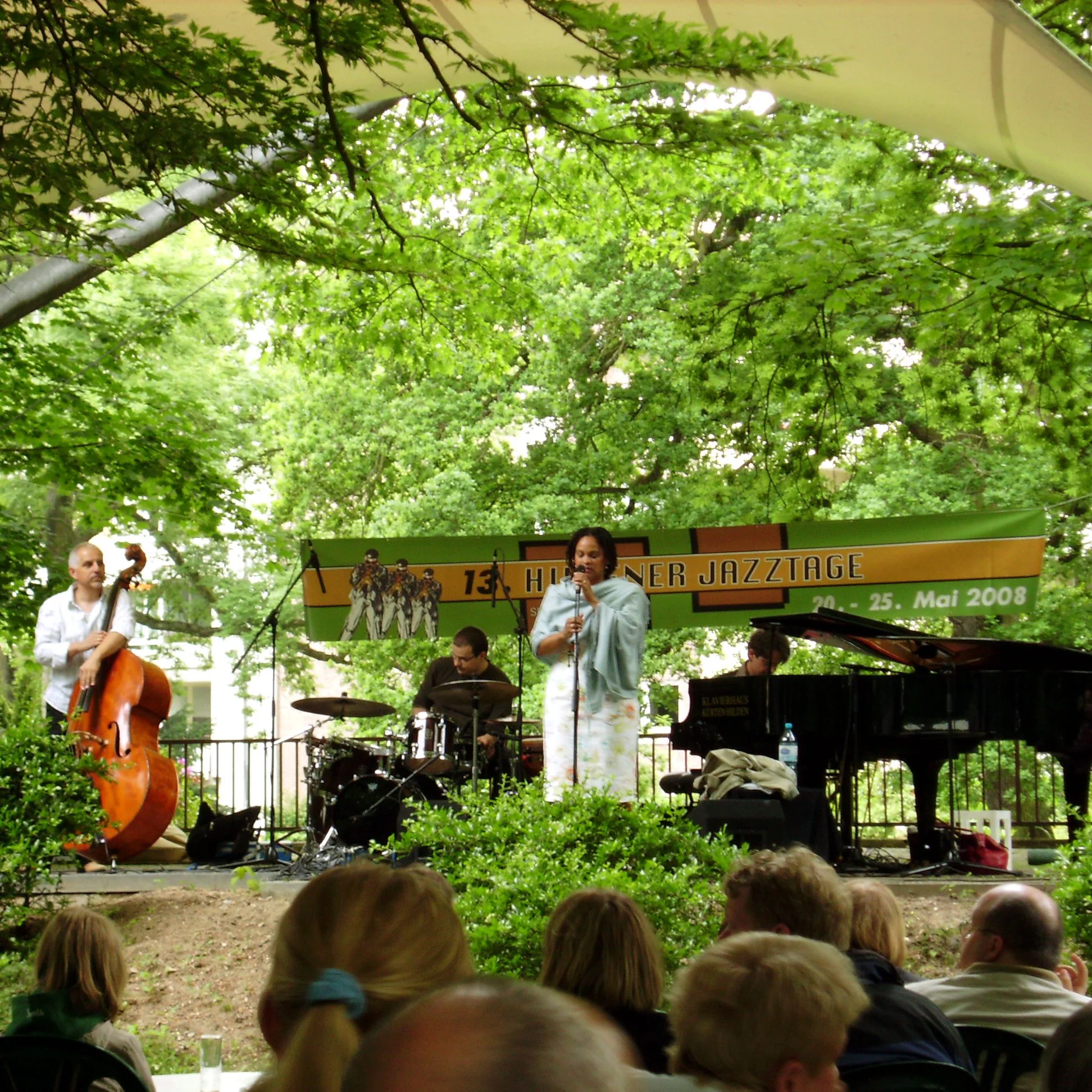
Image from Wikipedia
Image from Wikipedia
Cécile Verny Quartet – great voice, cosmopolitan jazz, and European class
A quartet with character: Cécile Verny between jazz, chanson, and African roots
The Cécile Verny Quartet has been one of the most distinctive formations in European jazz for decades. The band from Freiburg im Breisgau combines jazz with chanson, blues, soul, rock, and African influences, crafting a unique artistic profile. At the center is the singer Cécile Verny, who hails from Abidjan and has developed an extraordinary stage presence as the frontwoman, namesake, and defining voice of the ensemble. ([de.wikipedia.org](https://de.wikipedia.org/wiki/C%C3%A9cile_Verny_Quartet?utm_source=openai))
Biographical roots and artistic influences
Cécile Verny’s journey begins in Ivory Coast, travels through France to Germany, reflecting an international and culturally open biography from an early age. The singer grew up in Abidjan, moved to France in 1981, and has lived in Freiburg im Breisgau since 1989, where she further shaped her music career. These stages have profoundly influenced her musical identity: cosmopolitan, emotional, stylistically flexible, while deeply rooted in jazz. ([cecile-verny.com](https://www.cecile-verny.com/bio.html?utm_source=openai))
When she founded the Cécile Verny Quartet in Strasbourg in 1987, it was not just the formation of a band, but the inception of a lasting artistic laboratory. Over the years, the original ensemble evolved into a stable formation with Bernd Heitzler on bass, Andreas Erchinger on piano and synthesizer, and Lars Binder on drums; Torsten Krill played drums until 2009. The group has remained true to its core while navigating changing lineups, establishing Freiburg as a musical home base with international resonance. ([cecile-verny.com](https://www.cecile-verny.com/bio.html?utm_source=openai))
Career progression, awards, and international recognition
The progression of the quartet's career is closely linked to competitions, festival appearances, and continuous live performances. In 1992, Cécile Verny won first prize at the festival competition “Vocal de Jazz de Crest,” and in 2003, she received first prize in the Vocal Jazz category as well as the “Grand Prix du Jury” for her work with the quartet at the renowned Jazz à Juan festival in Antibes. Additional accolades, such as the German Record Critics' Award for “The Bitter and the Sweet” and the European Jazz Award, underline the authority of the ensemble in the jazz landscape. ([cecile-verny.com](https://www.cecile-verny.com/bio.html?utm_source=openai))
The live career of the quartet is also remarkable. The ensemble has performed in numerous countries, including France, Germany, Morocco, Kenya, South Africa, Sudan, and various other European and non-European venues. Press and festival texts describe the band as an intense, playful live formation with a strong presence and high recognition value. A recent event announcement for April 2026 still identifies the quartet as an active stage unit around Cécile Verny, Bernd Heitzler, Andreas Erchinger, and Lars Binder. ([cecile-verny.com](https://www.cecile-verny.com/bio.html?utm_source=openai))
The musical evolution: from Afro-French colors to European songbook
Musically, the Cécile Verny Quartet moves between stylistic openness and a clear signature. The discography shows an evolution from early works like “Oazoo,” “Patchwork,” “Expressive Impressionen,” and “Coquelicot – melodiie de vie” to more mature, richer productions such as “Métisse,” “Kekeli,” “The Bitter and the Sweet,” “Amoureuse,” “Fear & Faith,” “Memory Lane,” and “Of Moons and Dreams.” The titles alone reveal the tension between jazz tradition, lyrical depth, and cultural hybridity. ([en.wikipedia.org](https://en.wikipedia.org/wiki/C%C3%A9cile_Verny_Quartet?utm_source=openai))
The stylistic range spans from African timbres to subtle jazz poetics to rock-soul moments. Various sources highlight that the band integrates African roots, French singing tradition, scat, blues, Latin elements, and Afro-Brazilian influences. This openness was particularly evident in programs like “European Songbook,” where European chansons and song traditions were transformed into new arrangements. ([jazz-schmiede.de](https://www.jazz-schmiede.de/veranstaltungen/2007/01/ccile-verny-quartet/?utm_source=openai))
Discography and artistic milestones
The quartet's discography marks the stages of a long music career. Officially documented are works including “Oazoo” (1992), “Patchwork” (1995), “Expressive Impressionen” (1995), “Coquelicot – melodiie de vie” (1997), “Got a Ticket” (1998), “Métisse” (1999), “Kekeli” (2002), “The Bitter and the Sweet” (2006), “Amoureuse” (2008), “Keep some secrets within” (2010), “Fear & Faith” (2013), “Memory Lane” (2014), and “Of Moons and Dreams” (2019). These releases demonstrate how consistently the band has developed and expanded its jazz. ([en.wikipedia.org](https://en.wikipedia.org/wiki/C%C3%A9cile_Verny_Quartet?utm_source=openai))
“The Bitter and the Sweet” is regarded as a particularly important milestone as it was awarded by German music critics, resulting in greater visibility for the quartet. “Memory Lane” was later understood as a retrospective after 25 years of the band’s history, encapsulating the long development in a commemorative release. With “Of Moons and Dreams,” the ensemble continued the tradition of understanding jazz not as a rigid genre but as a living, breathing expression. ([cecile-verny.com](https://www.cecile-verny.com/bio.html?utm_source=openai))
Style, voice, and artistic signature
The central force of the quartet lies in Cécile Verny’s voice. Multiple reviews emphasize her versatility, phrasing, and her ability to alternate between soul, jazz, African-inspired shout, lyrical intimacy, and free improvisation. The singer works not only with timbres but with dramatic precision: every syllable, every movement in the arrangement serves to tell a story of a song. ([jazzandrock.com](https://jazzandrock.com/ein-exklusiver-jazzabend-mit-dem-cecile-verny-quartett/?utm_source=openai))
The interplay within the quartet also deserves attention. Bernd Heitzler, Andreas Erchinger, and Lars Binder provide not just accompaniment but a finely tuned foundation of harmony, groove, and dynamic tension. This results in a clear musical architecture in live contexts, where Verny’s voice doesn't float above the instruments but communicates with them. This balance of freedom and structure is what makes the band unique. ([jazzandrock.com](https://jazzandrock.com/ein-exklusiver-jazzabend-mit-dem-cecile-verny-quartett/?utm_source=openai))
Current projects and ongoing presence
Beyond the classic quartet format, Cécile Verny remains active. Her official website documents not only the quartet but also projects such as “mein Liedgut,” a program with Johannes Maikranz that reinterprets German songs, chansons, and art music. The site describes Verny as an artist who has stood on international stages for decades, uniquely merging the German language, European song traditions, and jazz. ([cecile-verny.com](https://www.cecile-verny.com/meinliedgut.html?utm_source=openai))
The official website also points to concert activities and a continuously vibrant artistic presence. While the searchable pages do not list any new studio albums for 2024 or 2025, the presence in the live calendar, mentions of current programs, and the 2026 event announcement indicate ongoing musical activity. For a jazz formation with this history, that is crucial: not stagnation, but the continuous refinement of their own language. ([cecile-verny.com](https://www.cecile-verny.com/dates.html?utm_source=openai))
Cultural influence and musical authority
The cultural weight of the quartet lies in its ability to transcend borders without losing its own identity. Verny's biography connects African origins, French socialization, and German reality; from this emerges a European jazz that is neither folkloric nor academic but organic and personal. This exact blend has made the ensemble relevant for jazz audiences, cultural institutions, and festivals for years. ([cecile-verny.com](https://www.cecile-verny.com/bio.html?utm_source=openai))
Additionally, there is the authority of media resonance. Alongside the German Record Critics' Award and recognition in Juan-les-Pins, references can be found in the international jazz press, including DownBeat, as well as repeated collaborations with the WDR Big Band. Such references signify not just a career but an artistic position in European jazz rooted in quality, continuity, and stylistic independence. ([en.wikipedia.org](https://en.wikipedia.org/wiki/C%C3%A9cile_Verny_Quartet?utm_source=openai))
Conclusion: Why the Cécile Verny Quartet continues to fascinate
The Cécile Verny Quartet is captivating because it embodies a rare combination of voice, experience, worldliness, and stylistic depth. The band does not tell a short-term success story but rather a musical biography that has grown over decades, driven by stage presence, intelligent arrangement, and an unmistakable sound language. Anyone wanting to hear modern European jazz with soul, tension, and character will find a formation of lasting significance here. ([cecile-verny.com](https://www.cecile-verny.com/bio.html?utm_source=openai))
This artistry unfolds most impressively in live performances. The interplay of Verny's expressive voice, the precise rhythm work, and the harmonic colors of the quartet creates concerts with emotional power and great musical control. Experiencing the Cécile Verny Quartet on stage is encountering a band that not only plays jazz but redefines it with every phrase. ([jazzandrock.com](https://jazzandrock.com/ein-exklusiver-jazzabend-mit-dem-cecile-verny-quartett/?utm_source=openai))
Official channels of Cécile Verny Quartet:
- Instagram: No official profile found
- Facebook: No official profile found
- YouTube: No official profile found
- Spotify: No official profile found
- TikTok: No official profile found
Sources:
- Cécile Verny – Official Website
- Cécile Verny – Bio / Vita
- Cécile Verny – Mein Liedgut
- Wikipedia – Cécile Verny Quartet
- Wikipedia – Cécile Verny
- Jazz Palace – MercatorJazz: Cécile Verny Quartet
- Melodiva – CD Review “Kekeli”
- Jazz-Schmiede Düsseldorf – Cécile Verny Quartet
- in-akustik – “Memory Lane”
- Wikipedia: Image and text source