
Harold Lloyd
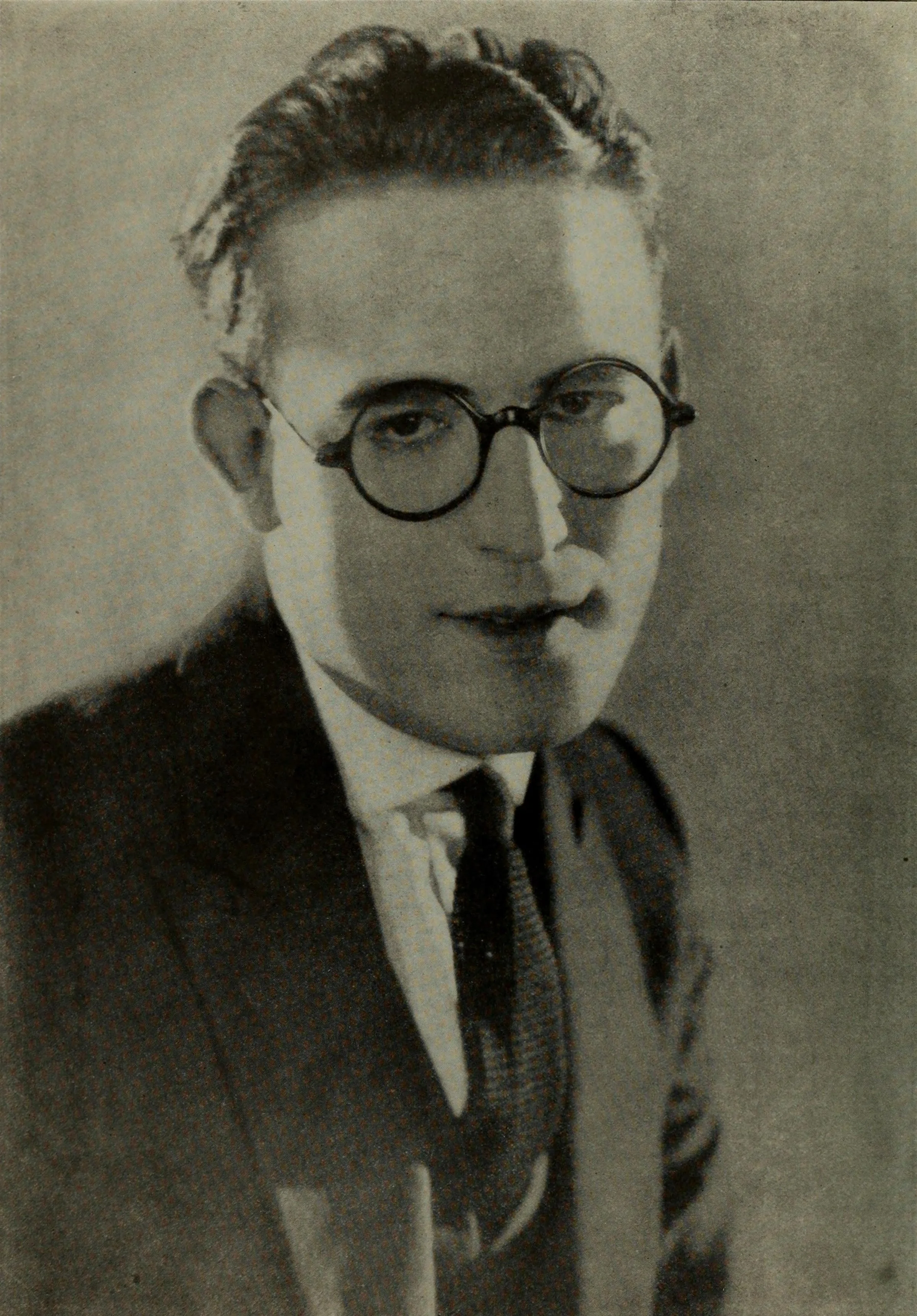
Image from Wikipedia
Image from Wikipedia
Harold Lloyd: The Master of Daring Silent Film Comedy
An American Cinema Myth Between Speed, Risk, and Perfect Timing
Harold Lloyd is one of the defining figures of the silent film era, embodying the optimistic, ambitious "boy next door" who seeks his way with charm, energy, and the utmost physicality. Between 1913 and 1947, he appeared in around 200 films and reached his artistic and commercial peak in the 1920s. Together with Charlie Chaplin and Buster Keaton, he forms the triumvirate of the great silent film comedians. ([de.wikipedia.org](https://de.wikipedia.org/wiki/Harold_Lloyd?utm_source=openai))
His trademark image was unmistakable: the horn-rimmed glasses, the ambitious young man with a thirst for the future, alongside breathtaking chases, precisely choreographed gags, and stunts that blurred the lines between comedy and acrobatic tension. The iconic image from Safety Last!, in which he hangs from a skyscraper clock, transformed the urban adventure of modernity into an iconic cinematic image. Lloyd performed many of his stunts himself, creating a form of physical comedy that still epitomizes cinematic risk-taking today. ([de.wikipedia.org](https://de.wikipedia.org/wiki/Harold_Lloyd?utm_source=openai))
Biography: From Nebraska Boy to Screen Star
Harold Clayton Lloyd was born on April 20, 1893, in Burchard, Nebraska, and early on developed into an actor with a profound sense of effect, rhythm, and audience engagement. The early years of his career led him into the world of film, where he initially appeared in minor roles before shaping himself into a distinctive comedic figure. From this development emerged one of the most successful careers of the silent film era, driven by discipline, precision, and an astonishing sense of visual storytelling. ([de.wikipedia.org](https://de.wikipedia.org/wiki/Harold_Lloyd?utm_source=openai))
His comedic profile distinctly contrasts with Chaplin's melancholy and Keaton's stoic mask. Lloyd relied on movement, ascension, determination, and the comedic overwhelm of the modern individual in an accelerated world. This is where the cultural strength of his characters lies: they do not laugh in escapism but through the tough struggle to advance within it. ([haroldlloyd.com](https://haroldlloyd.com/filmography/?utm_source=openai))
The Breakthrough: The Birth of the Glasses Character
Lloyd became famous with his character known as the Glasses Character, a young man in glasses seeking success and happiness. This role brought a new comedic ideal to the screen: not the eccentric clown, but the ambitious average person who struggles through everyday life, work, love, and social hurdles. With this character, Lloyd struck a nerve of the time, appearing romantic, modern, and deeply American. ([de.wikipedia.org](https://de.wikipedia.org/wiki/Harold_Lloyd?utm_source=openai))
The breakthrough came with a radical comedic style. Lloyd and his team developed scenes where the gags emerged from the story itself, rather than simply being a string of ideas. Because of this, his films felt narratively richer than many early slapstick comedies: the laughter arose from tension, social pressure, and the drive to achieve something. ([haroldlloyd.com](https://haroldlloyd.com/filmography/?utm_source=openai))
Career Highlights in the 1920s
The 1920s marked Lloyd's major phase as a star, producer, and creative mind. His key films include Safety Last! (1923), Girl Shy (1924), The Freshman (1925), The Kid Brother (1927), and Speedy (1928). These titles represent a comedy that is based not only on punchlines but also on dramaturgy, emotional identification, and a highly precise staging. ([haroldlloyd.com](https://haroldlloyd.com/filmography/?utm_source=openai))
His films combined romantic tension, social comedy, and physical excellence. The famous chases and risky climbs were never mere attractions but expressions of character logic: Lloyd's hero wants to prove himself, fit in, and rise. Thus, the comic body became a symbol of ambition, courage, and the modern metropolis. ([de.wikipedia.org](https://de.wikipedia.org/wiki/Harold_Lloyd?utm_source=openai))
Style and Signature: Acrobatics as a Narrative Form
Lloyd's style thrives on precision. His films focus on clearly structured gags, clean compositions, and the interplay between speed and suspense. He was not only a performer but also involved in the gags and direction of his films, giving his work a distinctive authority. His acrobatic scenes not only generated laughter but genuine physical tension because they conveyed the impression that everything was at stake. ([de.wikipedia.org](https://de.wikipedia.org/wiki/Harold_Lloyd?utm_source=openai))
Especially striking is the connection between architecture, height, and comedic threat. Skyscrapers, rooftops, ladders, and clockworks became stages of a city that is both alluring and dangerous. This visual language made Lloyd a chronicler of urban modernity, long before later comedies normalized the principle of the "vulnerable hero." ([loc.gov](https://www.loc.gov/static/programs/national-film-preservation-board/documents/safety_last.pdf?utm_source=openai))
Discography? No: A Filmography with Canon Status
Even though Harold Lloyd was not a musician, his filmography has a canon structure typically found only in great music discographies: early short films, a phase of distinctive series characters, then the classic feature films, and finally sound films. According to the official filmography, the Luke short films, the Glass Character short films, and later the full-length masterpieces form his core work. This development shows an artist who systematically refined his comedic character and increasingly condensed it filmically. ([haroldlloyd.com](https://haroldlloyd.com/filmography/?utm_source=openai))
Transitioning to the sound film era, Lloyd continued his career with titles like Welcome Danger (1929), Feet First (1930), Movie Crazy (1932), and The Sin of Harold Diddlebock (1947). Although the later trajectory of his career did not achieve the same cultural impact as the silent film years, it documents his ability to adapt to new production conditions while preserving the comedic core of his character. ([haroldlloyd.com](https://haroldlloyd.com/filmography/?utm_source=openai))
Awards, Influence, and Film Historical Authority
Harold Lloyd was a founding member of the Academy of Motion Picture Arts and Sciences and received an honorary Oscar in 1952 for his lifetime achievement. This recognition honored not only his popularity but also his lasting contribution to the development of film as a medium. The Academy referred to him as a "master comedian and good citizen," a phrase that aptly encapsulates his cultural dual role as an entertainer and institution builder. ([oscars.org](https://www.oscars.org/governors/honorary?utm_source=openai))
His influence extends far beyond the history of silent film. Criteria for modern film comedy, physical tension, and the "normal" hero with a vulnerable exterior can be traced back to Lloyd. Current re-releases, restorations, and the official legacy surrounding HaroldLloyd.com show that his films are not only archived but actively revived. ([criterion.com](https://www.criterion.com/current/posts/5613-harold-lloyd-in-hollywood?utm_source=openai))
Conclusion: Why Harold Lloyd Remains Fascinating Today
Harold Lloyd remains captivating because he never staged comedy as mere escapism but rather as a battle for dignity, love, and recognition. His films merge spectacular physical artistry with emotional accessibility, showcasing an artist who understood the language of cinema with extraordinary consistency. Those who wish to experience the energy of the silent film era, the precision of classic slapstick direction, and the magic of visual storytelling should definitely discover Harold Lloyd. His works belong on the big screen and deserve to be seen anew time and again. ([de.wikipedia.org](https://de.wikipedia.org/wiki/Harold_Lloyd?utm_source=openai))
Official Channels of Harold Lloyd:
- Instagram: No official profile found
- Facebook: No official profile found
- YouTube: No official profile found
- Spotify: No official profile found
- TikTok: No official profile found
Sources:
- HaroldLloyd.com – The Official Website
- HaroldLloyd.com – Harold Clayton Lloyd (1893-1971)
- HaroldLloyd.com – Filmography
- Academy of Motion Picture Arts and Sciences – The Honorary Award
- The Criterion Collection – Harold Lloyd in Hollywood
- The Criterion Collection – Harold Lloyd Has Something to Say
- BFI Sight and Sound – The peak of silent cinema
- Wikipedia: Image and Text Source