
HateAid
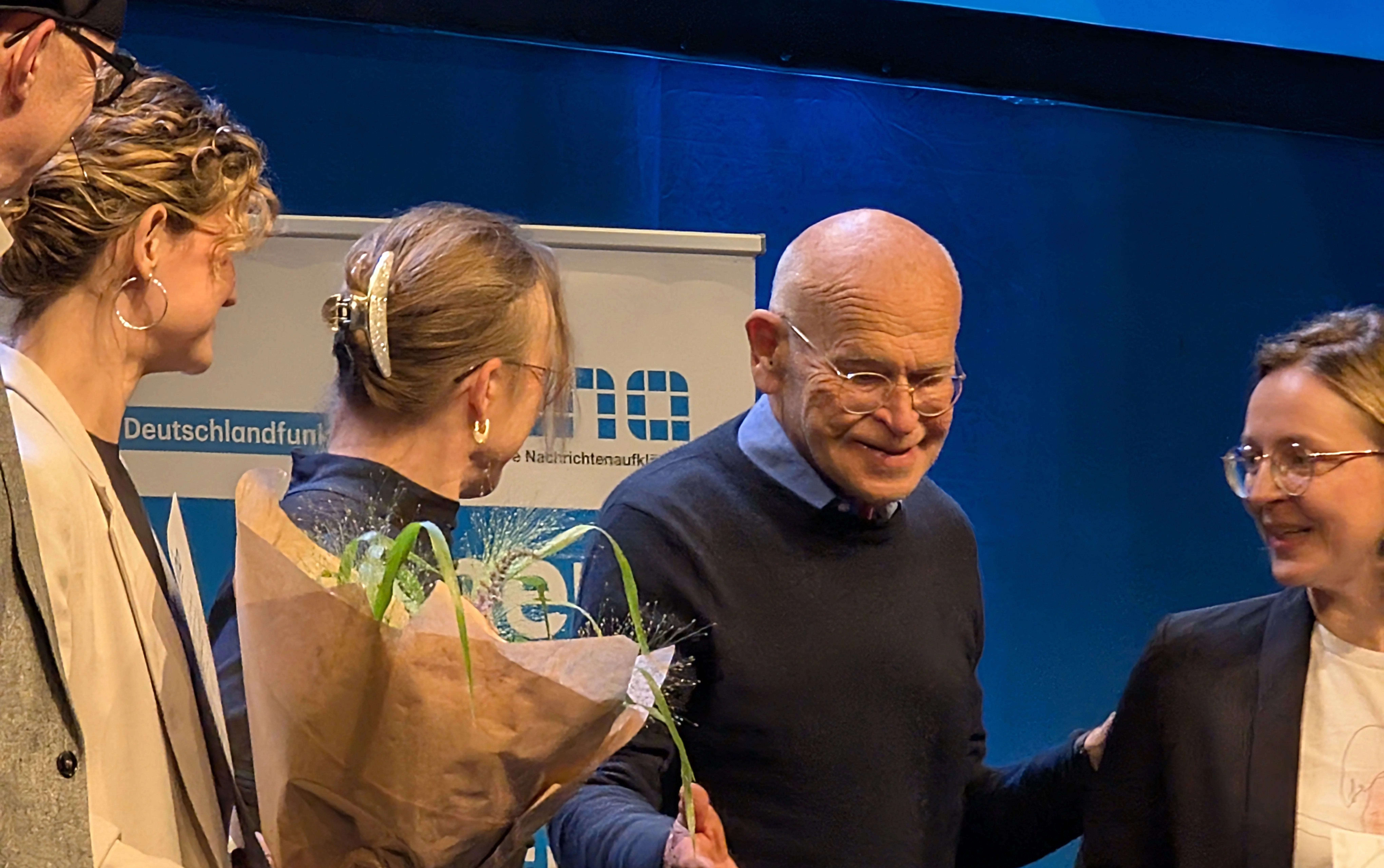
Image from Wikipedia
Image from Wikipedia
HateAid: The Berlin Voice Against Digital Violence, Hate, and Intimidation
An organization that wants to make the Internet more humane
HateAid is not a music group, but a non-profit organization based in Berlin that has been advising and supporting victims of online hate speech and hate comments since 2018. It was founded by the non-governmental organizations Campact and Fearless Democracy in collaboration with Anna-Lena von Hodenberg; it is currently led by von Hodenberg and Josephine Ballon. Its self-understanding is independent, non-partisan, and consistently focused on human rights: HateAid advocates for protection, legal enforcement, and education in the digital space. ([de.wikipedia.org](https://de.wikipedia.org/wiki/HateAid?utm_source=openai))
The organization describes digital violence not as a marginal phenomenon, but as a democratic danger. On its own website, HateAid emphasizes that human rights must also apply digitally and that platforms bear responsibility for hate, disinformation, and polarization. This is precisely where the cultural and political relevance of the organization lies: it connects legal aid, political communication, and public education into a clear agenda against intimidation online. ([hateaid.org](https://hateaid.org/unser-internet/))
Foundation, Claim, and Institutional Embedding
The foundation in 2018 marks the beginning of an organization that emerged from civil society practice rather than from a classic party structure or state authority. According to Wikipedia and official representations, HateAid sees itself as an independent non-profit limited liability company (gGmbH) that empowers victims of digital violence while simultaneously making structural grievances visible. The name itself – composed of "hate" and "aid" – succinctly encapsulates this claim. ([de.wikipedia.org](https://de.wikipedia.org/wiki/HateAid?utm_source=openai))
The public impact of HateAid also arises from the connection of case work and strategic public engagement. On its website and in portraits, it becomes clear that the organization not only accompanies individual cases but also works with situational analyses, studies, and political assessments. Partners such as ZIT, ZAC NRW, the BKA, and the Munich Attorney General's Office highlight the institutional reach of this work. ([deutscher-engagementpreis.de](https://www.deutscher-engagementpreis.de/engagiertenfinder/engagiertendetails/6083-anna-lena-von-hodenberg-/-hateaid-ggmbh))
The Core Work: Support, Protection, and Legal Enforcement
At the center is the support for individuals affected by digital violence. HateAid offers counseling, refers to legal and technical assistance, and educates how to secure evidence or document reports. The organization thereby makes it clear that online hate is not just hurtful, but often also legally relevant. ([hateaid.org](https://hateaid.org/ratgeber/?utm_source=openai))
The political intensity of the work is particularly strong: HateAid points out that platforms often fail to delete reported illegal content and that police reports are frequently not taken seriously enough. The organization combines this criticism with a human rights approach and demands that victims in the digital space receive the same protection as offline. This leads to a form of advocacy work that combines legal precision with public urgency. ([hateaid.org](https://hateaid.org/unser-internet/))
Current Projects, Campaigns, and Public Debates
Even in 2026, HateAid remains visibly active. On the organization's homepage, contributions appear such as "Doing nothing is not a solution: HateAid demands age-appropriate access for young people on the Internet," a statement on the draft law for protection against digital violence, and other press releases regarding false claims, landmark cases, and political debates. The organization works not in the background but purposefully at the intersection of law, public engagement, and digital culture. ([hateaid.org](https://hateaid.org/))
A central campaign format is "#OurInternet." There, HateAid articulates a series of clear rights: that digital violence is not ignored, that private nude photos remain private, that identity theft through face-swap apps and deepfakes is curtailed, and that hate does not silence. This campaign translates complex legal and platform questions into understandable demands without downplaying the political seriousness of the situation. ([hateaid.org](https://hateaid.org/unser-internet/))
Public Resonance, Support, and Authority
The credibility of HateAid stems from the combination of case expertise and public recognition. The website features voices from victims and supporters, including the aim articulated by Anna-Lena von Hodenberg to protect and strengthen freedom of expression and democracy in digital spaces over the long term. Such statements show that HateAid is not merely reactive, but actively shapes the discourse. ([hateaid.org](https://hateaid.org/))
External accolades also underline this authority. The German Engagement Prize highlights that HateAid effectively communicates about landmark cases such as the "Twitter Trial" and "Renate Künast vs. Meta," gives courage to victims, and builds political pressure for structural changes. This classification clarifies why the organization is now regarded as a key reference in debates about digital violence. ([deutscher-engagementpreis.de](https://www.deutscher-engagementpreis.de/engagiertenfinder/engagiertendetails/6083-anna-lena-von-hodenberg-/-hateaid-ggmbh))
Context Instead of Discography: Why HateAid is a Special Case on This List
Since HateAid is not a music group but a civil society organization, there is no discography, no hit single, and no musical repertoire in the classic sense. Therefore, a "critical reception" in the music journalistic understanding cannot be applied meaningfully. Instead, the public relevance of HateAid is shown in campaigns, press releases, legal principles, and the way the organization sharpens societal debates precisely. ([hateaid.org](https://hateaid.org/))
This special case is narratively compelling: HateAid works with the language of the public rather than the language of the stage. The organization relies on education, legal enforcement, and political intervention – that is, on instruments that can be equally effective in the media landscape as a strong artistic position. Its cultural influence lies in shifting awareness: digital violence no longer appears as an individual problem but as a structural challenge for democracy and freedom of expression. ([hateaid.org](https://hateaid.org/unser-internet/))
Conclusion: Why HateAid Remains Important
HateAid is exciting because the organization not only identifies a highly relevant societal problem but also addresses it practically, legally, and politically. It connects victim support with public engagement, reveals the power mechanisms of digital violence, and brings human rights to where they are too often violated: into comment sections, social networks, and the logic of platforms. Those who want to understand what democratic protection looks like online today will find HateAid to be one of the most important actors in the German-speaking world. ([hateaid.org](https://hateaid.org/unser-internet/))
Those who want to experience HateAid live do not encounter a concert stage, but a form of societal intervention: lectures, campaigns, public relations, and strategic education with maximum relevance. This is where the strength of this organization lies – in its clear voice against hate and its tireless work for a web where dignity, freedom, and security are more than mere buzzwords. ([hateaid.org](https://hateaid.org/))
Official Channels of HateAid:
- Instagram: https://www.instagram.com/hateaidorg/
- Facebook: https://www.facebook.com/hateaid
- YouTube: https://www.youtube.com/c/HateAid
- Spotify: no official profile found
- TikTok: https://www.tiktok.com/@hateaid