
Hila Fahima
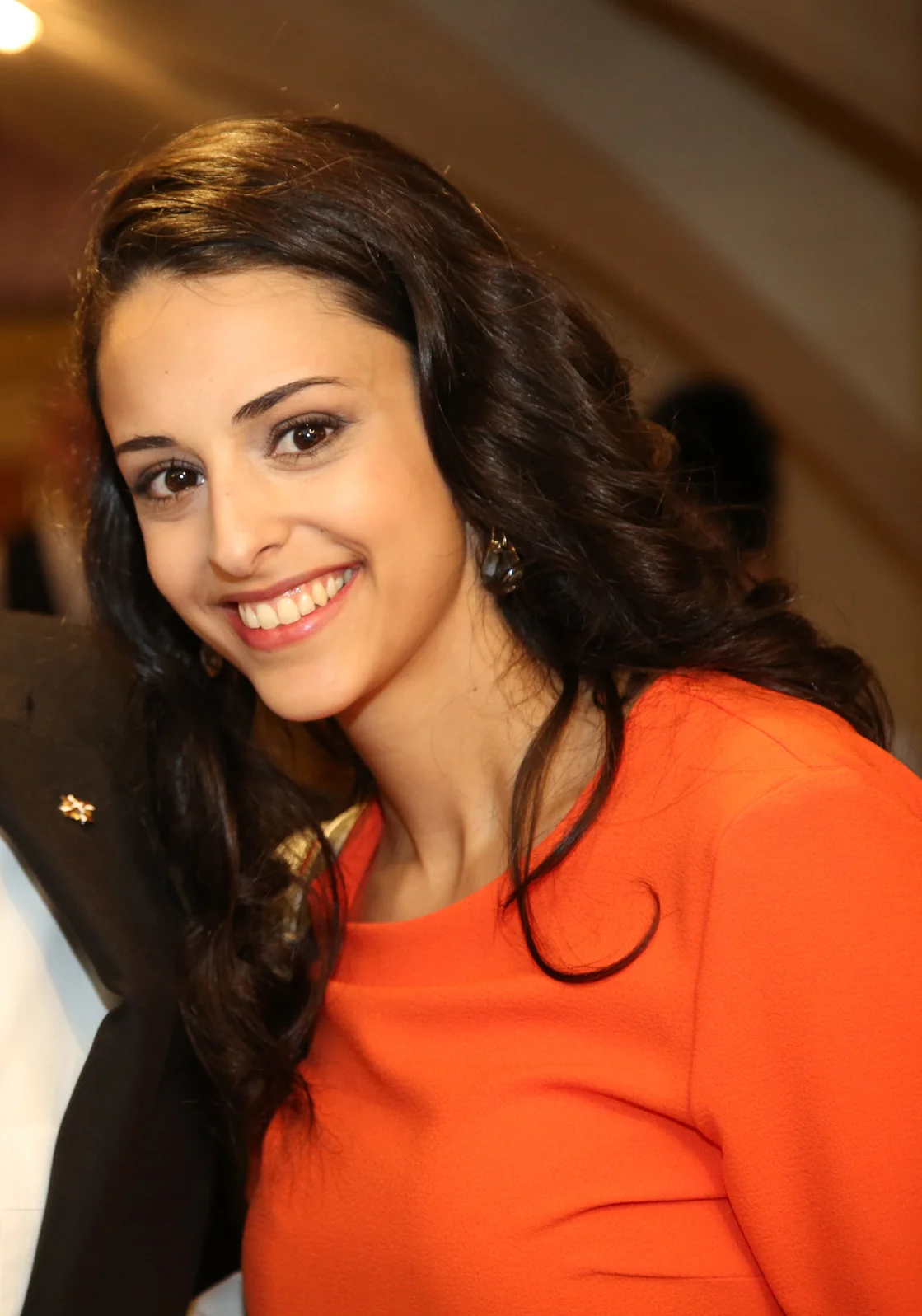
Image from Wikipedia
Image from Wikipedia
Hila Fahima: The Art of Coloratura Between Vienna, Israel, and the Grand Opera Stage
A soprano with radiance, style, and international presence
Hila Fahima Ruschin, born in 1987 in Karmi’el, is one of the notable Israeli operatic voices of her generation. As a soprano, she combines technical agility with a striking stage presence and has particularly carved out a niche for herself in the lyrical coloratura repertoire. Since autumn 2013, she has been a member of the ensemble at the Vienna State Opera, while simultaneously establishing a profile as a guest artist on European and Israeli stages that unites virtuosity and musical intelligence. ([de.wikipedia.org](https://de.wikipedia.org/wiki/Hila_Fahima?utm_source=openai))
Early influences and the path to the opera stage
Hila Fahima's artistic journey began in the context of the Israeli opera landscape, where she was early on supported by the Israel Opera's youth program. This training laid the foundation for a career characterized by clarity of tone, secure high notes, and a focused approach to character work. Even official artist pages describe her voice as having a wide range and performing with colorful musicality. ([deutscheoperberlin.de](https://deutscheoperberlin.de/en_us/ensemble/hila-fahima.52205?utm_source=openai))
Her development exemplifies how a carefully built repertoire supports an international opera career. Early engagements took her to Toulouse, Berlin, Prague, and Vienna, where she excelled in Mozart and Donizetti roles as well as in concert formats. This versatility makes her a singer who does not merely portray roles but precisely shapes moods, characters, and dramatic arcs. ([hilafahima.com](https://www.hilafahima.com/about?utm_source=openai))
Vienna as an artistic center
The Vienna State Opera has been particularly formative for Hila Fahima, where she was a member of the ensemble from 2013 to 2020. There, she performed as Gilda in Rigoletto, Princesse Eudoxie in La Juive, Zerbinetta in Ariadne auf Naxos, and the Queen of the Night in Die Zauberflöte. These roles demand the highest precision, agile coloratura, and a strong sense of character portrayal—qualities that Fahima applies with audible ease. ([deutscheoperberlin.de](https://deutscheoperberlin.de/en_us/ensemble/hila-fahima.52205?utm_source=openai))
In the context of Viennese opera, her excellence is evident in the balance between vocal brilliance and dramatic clarity. Reviews frequently highlight her sparkling high notes, her lyrical musicality, and the ease with which she maintains tension even in demanding passages. Thus, she follows in the tradition of those sopranos who view coloratura not merely as decorative embellishment but as a means of dramatic expression. ([hilafahima.com](https://www.hilafahima.com/?utm_source=openai))
Role profile: From Mozart to Donizetti
Hila Fahima's repertoire focuses on roles where agility, luminosity, and depth of character intersect. In Mozart, she embodies characters such as the Queen of the Night and Blonde, and in Donizetti, roles like Lucia, and in Verdi, among others, Gilda and Oscar. This range illustrates a singer who feels at home in both the classic coloratura and lyric repertoire without sacrificing expression or textual clarity to vocal effect. ([hilafahima.com](https://www.hilafahima.com/about?utm_source=openai))
Fahima is particularly impressive in moments where technical brilliance and emotional intensity coincide. Critics praised her Lucia for being compellingly sung, highlighting the madness scene as a climax, and described her Zerbinetta as a sensational debut featuring precise coloratura runs. Such reactions point to a singer whose artistic development is closely linked to the demanding repertoire of Belcanto and classical modernism. ([hilafahima.com](https://www.hilafahima.com/?utm_source=openai))
Discography and recording profile
Hila Fahima is also present on recordings, though not as a protagonist in a wide pop or chart discography, but within selected operatic and classical releases. On Apple Music Classical, for example, she is featured in Donizetti & Verdi: Opera Arias; she also appears in Verdi: Un ballo in maschera (Live) within a prominent ensemble context. This underscores her profile as an opera soprano, whose discography is closely tied to performance practice and stage repertoire. ([classical.music.apple.com](https://classical.music.apple.com/us/artist/1556271187?utm_source=openai))
Her official website dedicates specific pages to the section on discography and showcases recordings and visual documentaries related to Donizetti & Verdi, Un ballo in maschera, and anniversary projects of the Vienna State Opera. For search engines and classical audiences, this combination is crucial: a clearly recognizable repertoire profile, documented roles, and a traceable musical career. ([hilafahima.com](https://www.hilafahima.com/?utm_source=openai))
Current projects, new productions, and stage presence
Even in the years 2024 to 2026, Fahima's calendar remained packed. Her website lists recitals, opera performances, and gala concerts in Prague, Berlin, Cologne, Tel Aviv, Vienna, Eilat, and Krakow, including Rigoletto, Ariadne auf Naxos, Die Zauberflöte, and several gala evenings focusing on coloratura and Mozart repertoire. Operabase also confirms her involvement in current and recent productions, such as as Zerbinetta in Tel Aviv 2025 and as the Queen of the Night in the performance series of 2026. ([hilafahima.com](https://www.hilafahima.com/?utm_source=openai))
This continuity showcases a singer who is not confined to a single role image. Instead, Fahima skillfully navigates between opera, concert, and gala formats, keeping her musical career both internationally and stylistically flexible. This presence is crucial in the classical scene: it keeps the repertoire alive and creates recognition across different venues and countries. ([hilafahima.com](https://www.hilafahima.com/?utm_source=openai))
Critical reception and artistic reputation
The music criticism paints a remarkably cohesive picture. Reviews highlight her high notes, clean intonation, and effortless control of coloratura, as well as her capability to infuse lyrical roles with dramatic tension. Such assessments come from various contexts, from Austrian and German press to international opera reports, culminating in a clear artistic reputation. ([hilafahima.com](https://www.hilafahima.com/?utm_source=openai))
It is particularly noteworthy how frequently her portrayal is described not only as technically strong but also stylistically credible. Whether as Lucia, Gilda, or Zerbinetta: Fahima is perceived as a soprano who aligns herself with the tradition of great lyrical coloratura sopranos without resorting to mere imitation. This is where her authority on stage lies—in the combination of precision, elegance, and personal expression. ([hilafahima.com](https://www.hilafahima.com/?utm_source=openai))
Cultural context and impact
Hila Fahima's career is also culturally significant as it connects two musical realms: the Israeli opera and concert landscape and the Central European opera system, with Vienna at its core. Her appearances at socially charged events, such as the Lichtermeer in Vienna 2023, have enhanced her profile beyond opera. Thus, she represents a generation of artists who view opera not as a closed niche, but as a part of public culture. ([de.wikipedia.org](https://de.wikipedia.org/wiki/Hila_Fahima?utm_source=openai))
Her career also demonstrates how important a clear artistic brand remains in the classical sector. Hila Fahima is not only a technically skilled singer but also an interpreter whose name is now associated with certain roles, houses, and aesthetic qualities. For music lovers, this is precisely the allure: to follow a voice that matures with each role while remaining true to the core of her style. ([deutscheoperberlin.de](https://deutscheoperberlin.de/en_us/ensemble/hila-fahima.52205?utm_source=openai))
Conclusion: Hila Fahima captivates with vocal precision, stylistic security, and a stage presence that not only masters great operatic figures but infuses them with personality. Her career between Vienna, Israel, and the major opera houses of Europe portrays an artist with depth, repertoire awareness, and charisma. Anyone who appreciates the connection of Belcanto, Mozart elegance, and modern stage intelligence should experience Hila Fahima live. ([deutscheoperberlin.de](https://deutscheoperberlin.de/en_us/ensemble/hila-fahima.52205?utm_source=openai))
Official Channels of Hila Fahima:
- Instagram: no official profile found
- Facebook: no official profile found
- YouTube: no official profile found
- Spotify: no official profile found
- TikTok: no official profile found
Sources:
- Hila Fahima | Coloratura Soprano - Official Website
- Hila Fahima | About - Official Website
- Hila Fahima | Repertoire - Official Website
- Hila Fahima | Media - Official Website
- Deutsche Oper Berlin - Ensemble: Hila Fahima
- Glyndebourne - Hila Fahima
- Operabase - Lucia di Lammermoor, Israeli Opera, 2024
- Operabase - Ariadne auf Naxos, Israeli Opera, 2025
- Operabase - Die Zauberflöte, Israeli Opera, 2026
- Apple Music - Hila Fahima
- Apple Music Classical - Hila Fahima
- Wikipedia - Hila Fahima