
İlker Çatak
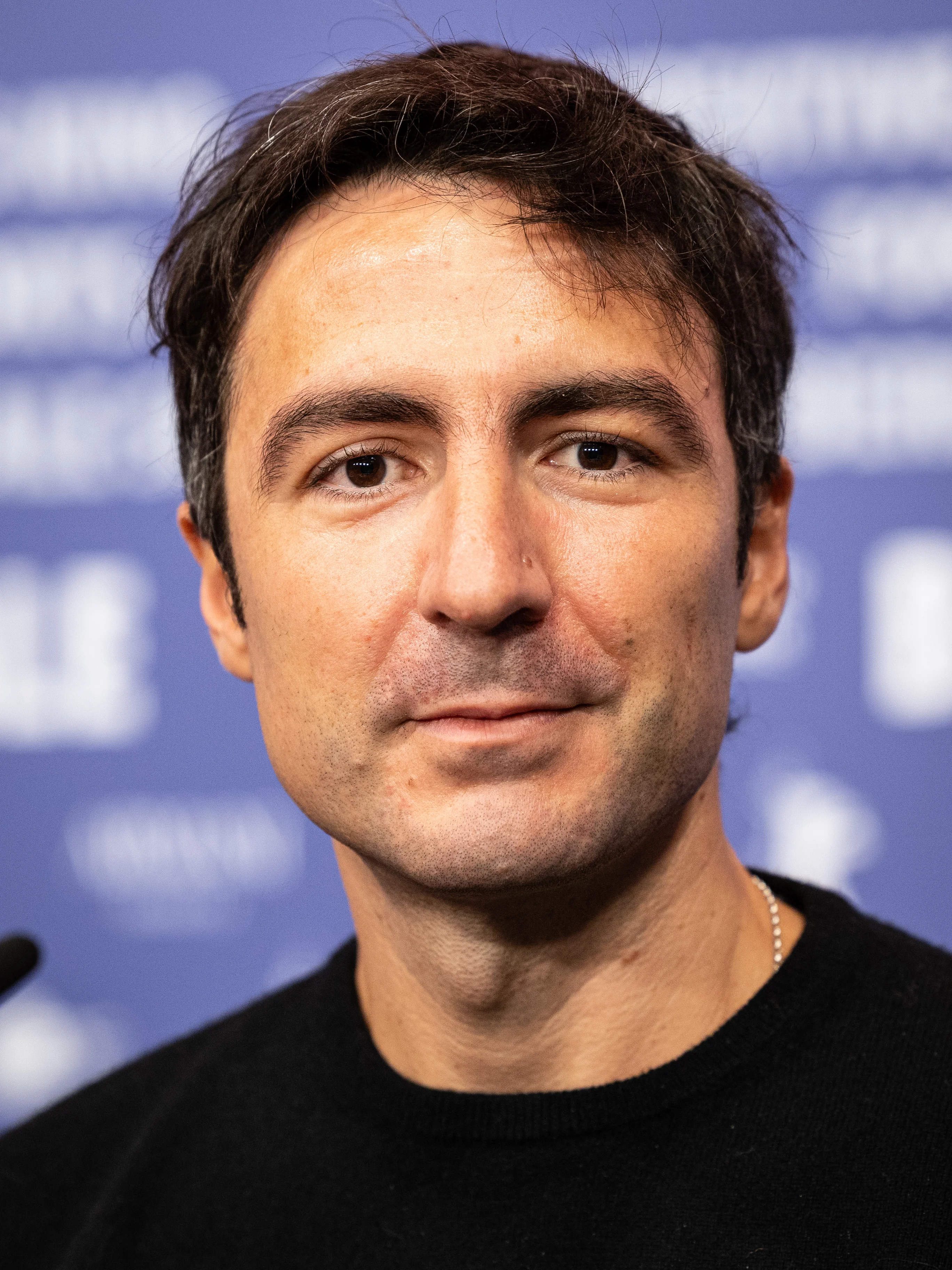
Image from Wikipedia
Image from Wikipedia
İlker Çatak – the precise storyteller between Berlin, Istanbul, and the grand cinematic stage
A director with attitude, rhythm, and international appeal
İlker Çatak, born on January 11, 1984, in West Berlin, is one of the most distinctive voices in German-language cinema. His films combine social tension, political friction, and a precisely observed character depiction; it is from this blend that his filmography draws its unique energy. As a German filmmaker with Turkish roots, he has early on established himself as a writer and director who does not smooth over ambivalent life worlds but rather makes them visible. ([en.wikipedia.org](https://en.wikipedia.org/wiki/%C4%B0lker_%C3%87atak?utm_source=openai))
Biography: between two cultural spaces
Çatak was born in Berlin and has been artistically shaped by both German and Turkish realities. This dual perspective runs like a red thread through his work and influences both the choice of themes and the dramaturgy of his films. The official website already describes early projects that deal with identity, social pressure, and moral boundary situations. ([ilkercatak.art](https://ilkercatak.art/))
Particularly striking is how consistently Çatak tells stories about social spaces where power, belonging, and exclusion are negotiated. Whether in schools, families, migration, or political pressure: His films condense private decisions into social conflicts. This connection of intimacy and critical system analysis is what makes his artistic signature so recognizable. ([ilkercatak.art](https://ilkercatak.art/))
The breakthrough: from Student Oscar to international discourse
A pivotal milestone in his career was the graduation film Sadakat, which won Çatak the Student Oscar in Gold in 2015. This award not only marked an early highlight but also confirmed that his narrative style possesses extraordinary tension even in short formats. The recognition brought him into the international spotlight and opened the door to larger productions. ([de.wikipedia.org](https://de.wikipedia.org/wiki/%C4%B0lker_%C3%87atak?utm_source=openai))
Even the early short and mid-length works on his own website demonstrate how carefully Çatak builds atmospheres and condenses conflicts into striking situations. Titles like Fast Fiction, Wo Wir Sind, or Als Namibia eine Stadt war indicate that he has been interested in social upheavals, everyday observations, and psychological intensification for years. This early consistency is a key part of his authority as a filmmaker. ([ilkercatak.art](https://ilkercatak.art/))
Feature films: an increasingly tighter tension field
With Es war einmal Indianerland, Çatak released his first feature film in 2017, already showcasing his talent for transitional zones between coming-of-age, melancholy, and identity search. This was followed by Es gilt das gesprochene Wort, a film that works with interpersonal closeness and cultural friction and further honed Çatak's interest in emotional boundary spaces. His films do not follow a mere thematic logic but develop a clear dramatic pull. ([ilkercatak.art](https://ilkercatak.art/))
In 2020, Räuberhände was added, another building block in a filmography that steadily navigates between literary adaptation, contemporary drama, and political interpretation. The major international breakthrough was marked by Das Lehrerzimmer, which premiered at the Berlinale in 2023 and became one of the most discussed German films of the years. The Academy describes the film as one of the most recognized titles in Çatak's work; in official contexts, it was also presented as Germany's Oscar submission and later as an internationally outstanding production. ([en.wikipedia.org](https://en.wikipedia.org/wiki/%C4%B0lker_%C3%87atak?utm_source=openai))
Das Lehrerzimmer: concentration, pressure, and moral friction
Das Lehrerzimmer condenses the microcosm of school into a societal laboratory. The premise of a "zero-tolerance policy," the spreading of distrust, and the escalation among staff, parents, and students illustrate Çatak's ability to form a universal conflict model from a limited space. On his website, the project is described as a precise examination of denunciation, dispute, and exclusion. ([ilkercatak.art](https://ilkercatak.art/))
Internationally, the film received strong resonance, particularly due to its Oscar nomination for Best International Feature Film at the 96th Academy Awards. Simultaneously, it brought Çatak widespread recognition in the trade press; the Academy and industry reports described him as a director with a clear vision of power, ideology, and the vulnerability of institutions. This was the moment in his career when the promising auteur filmmaker became an international reference figure. ([en.wikipedia.org](https://en.wikipedia.org/wiki/%C4%B0lker_%C3%87atak?utm_source=openai))
Gelbe Briefe: political cinema with a significant echo
With Gelbe Briefe, Çatak continued his work in 2026 with a new political intensity. The film won the Golden Bear at the 76th Berlinale, the festival's most prestigious award, making Çatak the first German director in over 20 years to receive an award there. This accolade solidifies his status as an author of international standing. ([en.wikipedia.org](https://en.wikipedia.org/wiki/%C4%B0lker_%C3%87atak?utm_source=openai))
The previews and press kits for Gelbe Briefe describe the film as the story of an artist couple from Ankara confronted with state persecution. The reception highlights the connection between personal drama and political urgency. Screen Daily described the film as powerful, directly linking it to the themes of Das Lehrerzimmer, particularly alienation and persecution. ([ilkercatak.art](https://ilkercatak.art/))
Style: precise staging rather than loud effects
Çatak's directorial style thrives on controlled tension, precise observation, and a sovereign balance of distance and closeness. His characters rarely engage in simplistic conflicts; rather, he unfolds pressure from situations where words, gazes, and institutional rules are as important as the actual action. This lends his films an almost seismographic quality. ([ilkercatak.art](https://ilkercatak.art/))
In interviews and directorial statements, Çatak emphasizes ambivalence as a central principle of his cinema. He is not interested in simple messages but in the question of how decisions arise under pressure and how people react in systems based on obedience or exclusion. This attitude explains the unique impact of his films and their lasting relevance in contemporary German and European cinema. ([ilkercatak.art](https://ilkercatak.art/))
Awards, recognition, and cultural influence
The list of his successes ranges from the Student Oscar to the German Film Prize context to the Golden Bear. Industry reports like the UTA signing and international festival accounts underscore that Çatak is no longer perceived merely as a German director but as an author with global connectivity. His career exemplifies cinema that is locally rooted yet readily interpretable worldwide. ([de.wikipedia.org](https://de.wikipedia.org/wiki/%C4%B0lker_%C3%87atak?utm_source=openai))
In his combination of political perspective, psychological precision, and formal clarity, Çatak has gained cultural relevance. He does not simply tell stories but examines societal mechanisms that extend beyond the specific film. This is the strength of his artistic development: His works remain worthy of discussion because they do not simplify conflicts but condense them. ([en.wikipedia.org](https://en.wikipedia.org/wiki/%C4%B0lker_%C3%87atak?utm_source=openai))
Conclusion: A filmmaker to keep an eye on
İlker Çatak is a director whose work gains in sharpness, depth, and international weight with each new production. Those who experience his cinema do not see comfortable answers but rather precise stagings about morality, identity, and power. For this reason, he remains exciting: His films connect artistic development, social relevance, and strong stage presence on the screen. Keeping an eye on his upcoming works is worthwhile, and a visit to the cinema is even more so. ([en.wikipedia.org](https://en.wikipedia.org/wiki/%C4%B0lker_%C3%87atak?utm_source=openai))
Official channels of İlker Çatak:
- Instagram: No official profile found
- Facebook: No official profile found
- YouTube: No official profile found
- Spotify: No official profile found
- TikTok: No official profile found
Sources:
- İlker Çatak – Official Website
- 24LiesPerSecond – Management/Contact
- Wikipedia – İlker Çatak
- Wikipedia (English) – İlker Çatak
- IMDb – Ilker Çatak
- European Film Academy – İlker Çatak
- Screen Daily – Yellow Letters Review
- FILMSTARTS – Interview about Gelbe Briefe
- Cumhuriyet – Portrait/Interview
- Press Kit – Das Lehrerzimmer
Upcoming Events
Yellow Letters