
Jonathan Tetelman
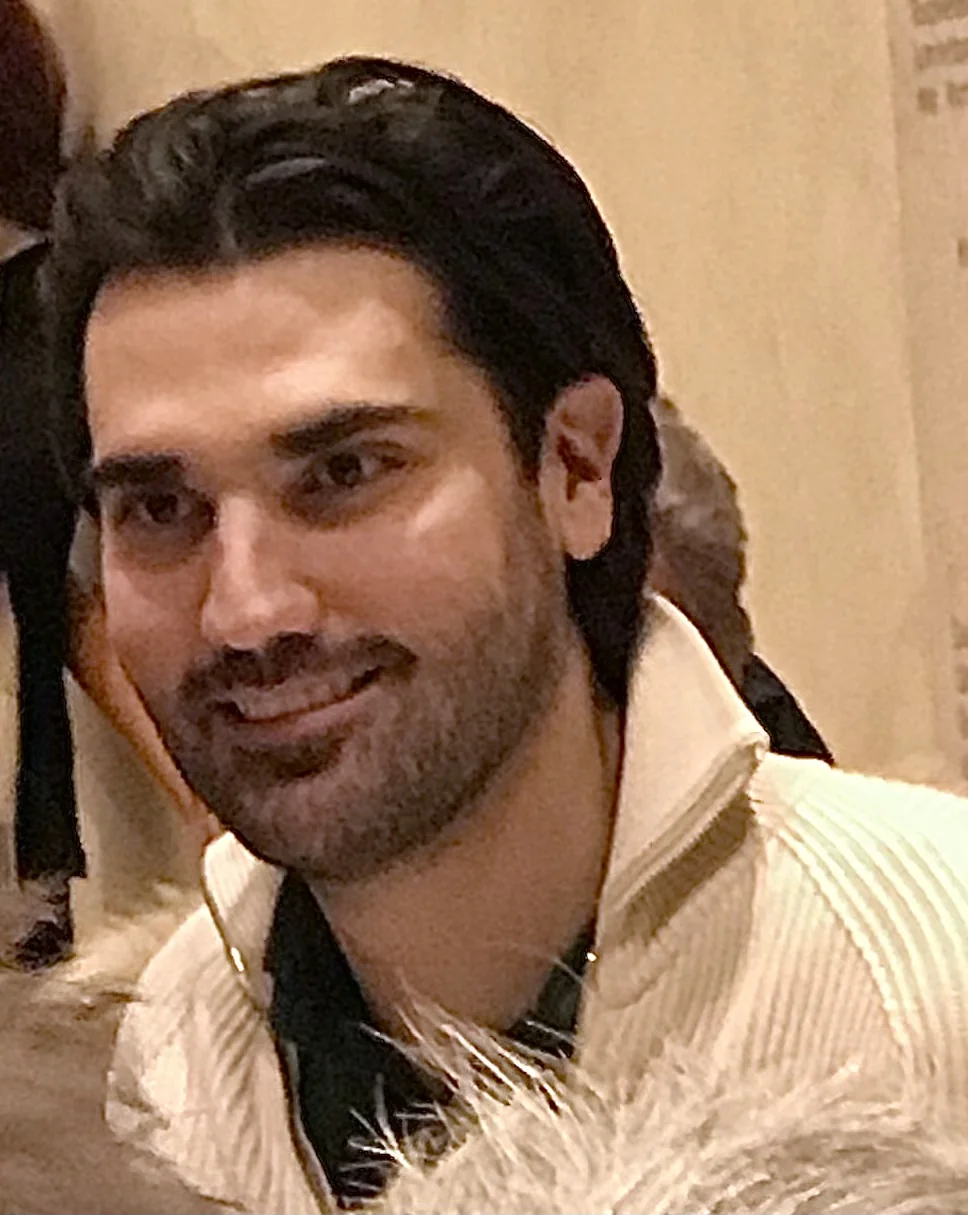
Image from Wikipedia
Image from Wikipedia
Jonathan Tetelman: The Chilean-American tenor who revitalizes Puccini with force, brilliance, and passion
An opera star balancing dramatic voice, international stage, and modern aura
Jonathan Tetelman belongs to that rare generation of opera singers who effortlessly combine artistic authority, vocal radiance, and media presence. Born in 1988 in Castro, Chile, this Chilean-American tenor has quickly established himself on the grand stages of Europe and North America with the tenor spinto vocal type. His career is characterized by late bloom, technical discipline, and a repertoire that prominently features Verdi, Puccini, and Italian verismo. (de.wikipedia.org)
From Chile to New York: Biographical roots and musical formation
Tetelman’s journey to opera was not linear, but rather filled with deliberately chosen detours. He was adopted as a child by American parents, grew up in Princeton, New Jersey, and initially studied at the Manhattan School of Music as a baritone before gradually developing into a tenor during his studies at the Mannes School of Music. He later solidified this vocal reorientation with his teacher and mentor Mark Schnaible, which gave his voice a distinctive blend of brilliance, focus, and dramatic elasticity that defines his sound today. (de.wikipedia.org)
Before conquering the opera stage, Tetelman worked for three years as a DJ in clubs in Manhattan. This phase is more than just an anecdote: it shaped his sense of rhythm, his approach to audience energy, and his instinct for impact in a space. It wasn’t until after an intense six-month period of practicing and studying that he fully committed to his singing career. This combination of club experience, classical training, and musical self-discipline makes his biography particularly unusual and exciting for opera lovers. (jonathantetelman.com)
The breakthrough on grand stages: From understudy to in-demand tenor
The international breakthrough came in 2018 when Tetelman stepped in at the last minute as Rodolfo in Puccini's La Bohème at the Tanglewood Music Festival. This role became pivotal for his career and opened doors to a repertoire that led him to the English National Opera, the Semperoper Dresden, the Komische Oper Berlin, and the Royal Opera House in London in the following years. There, he established himself as a singer who not only impresses with timbre and technique but also with dramatic presence and a clear stylistic signature. (de.wikipedia.org)
His early successes were closely tied to Puccini, yet Tetelman quickly expanded his profile to include Verdi and French roles. As Alfredo in La traviata, Werther, Cavaradossi in Tosca, Loris Ipanov in Fedora, and Jacopo Foscari, he demonstrated that his voice masters both the grand Italian line and the veristic intensity. Critics and press releases have repeatedly highlighted the extraordinary power of his voice and his stage presence, which earned him a reputation early on as a tenor with exceptional future potential. (jonathantetelman.com)
The artistic development: A tenore spinto with a sense of color and tension arc
As a tenore spinto, Tetelman operates in the boundary between lyrical warmth and dramatic expansion. His voice possesses that metallic brilliance which comes impressively to the fore in Puccini arias like E lucevan le stelle, Nessun dorma, or Che gelida manina. At the same time, he shows controlled emphasis in Verdi roles such as Stiffelio, Alfredo, or Macduff that relies not on sheer volume but on line control, breath economy, and expressive intensity. (open.spotify.com)
His role development has been marked by remarkable consistency. In 2021 and 2022, he made debuts and returns at venues such as the Theater an der Wien, Oper Frankfurt, Maggio Musicale Fiorentino, and Opéra national du Rhin. In 2023, he made his debut at the Salzburg Festival as Macduff in Verdi's Macbeth, in 2024 at the Metropolitan Opera as Ruggero in Puccini's La Rondine, and in 2025 at the Vienna State Opera as Turiddu in Cavalleria rusticana. These milestones demonstrate an artist carefully expanding his repertoire and establishing himself as a reliable presence on the grand opera stages. (de.wikipedia.org)
The discography: Two Deutsche Grammophon albums as an artistic calling card
Tetelman's impact as a recording artist was felt early on. In 2021, he signed an exclusive contract with Deutsche Grammophon, which resulted in his debut album Arias, recorded with the Orquesta Filarmónica de Gran Canaria under Karel Mark Chichon in 2022. The selection ranged from Verdi and Verismo to French repertoire and duets with Vida Miknevičiūtė. The album was awarded the OPUS KLASSIK Young Artist of the Year 2023 and marked Tetelman's breakthrough in the recording market as well. (deutschegrammophon.com)
His second album The Great Puccini was released in September 2023 and focused exclusively on Puccini. The recording took place in Prague with the PKF – Prague Philharmonia and Carlo Rizzi and combines arias and scenes from nine operas, including La bohème, La fanciulla del West, Manon Lescaut, Tosca, and Turandot. Deutsche Grammophon and the specialist press highlighted its stylistic coherence; the album won the Gramophone Voice & Ensemble Award in 2024. (deutschegrammophon.com)
Current projects and new concert formats: Presence far beyond the opera house
Tetelman’s current season profiles show a singer who navigates confidently between opera, concert, and crossover formats. For the 2025/26 season, engagements as Mario Cavaradossi at the Vienna State Opera, as Loris Ipanov at the Deutsche Oper Berlin, as Faust at the Bavarian State Opera, as Werther at the Zurich Opera, and in Il trittico at Carnegie Hall have been announced. This further solidifies his status as a sought-after guest star at leading opera institutions. (wiener-staatsoper.at)
He also remains present in the concert scene: A concert evening with Bernie Williams at Carnegie Hall is announced for 2026, blending classical, Latin American, and jazz elements. Additionally, his official website lists several dates for 2025 and 2026, including Puccini evenings, concert performances, and festival appearances. This underscores how skillfully Tetelman is expanding his profile as both an opera star and concert interpreter. (jonathantetelman.com)
Press praises and cultural impact: Why Tetelman is seen as the voice of his generation
The press often describes Tetelman with terms like “the future belongs to this voice” and “major talent,” portraying him as a singer with extraordinary potential and already recognizable greatness. Such formulations are not merely PR rhetoric but reflect the perception of an artist who has established himself in the opera world with unusual speed. His vocal authority, intense stage presence, and secure handling of emotional extremes are particularly emphasized. (jonathantetelman.com)
Culturally interesting is also Tetelman’s biography beyond the opera tradition. His years as a DJ, his later focus on the core Italian repertoire, and his work for a global label like Deutsche Grammophon combine classical high culture with a very contemporary form of artist identity. In an opera landscape increasingly demanding personality, recognizability, and media presence, he embodies a singer who treats tradition not as a museum piece but as a living presence. (sfopera.com)
Musical style: Between pathos, control, and Italian passion
Tetelman's interpretations thrive on a clear sense of musical architecture. In Puccini roles, he unfolds long arcs with remarkable confidence without losing the dramatic core; in Verdi roles, he relies on vocal colors that shift between noble line and eruptive intensity. It is precisely this balance that makes him so convincing in roles like Cavaradossi, Rodolfo, Alfredo, or Turiddu, as he does not indulge purely in melting tone or just attack. (open.spotify.com)
The recordings and live performances also show an interest in repertoire depth rather than mere popular hits. His singing of not only well-known arias but also less frequently performed pieces from Puccini operas expands his profile as a serious repertoire artist. This is precisely his strength: he combines the glamour of an emerging star with the substance of a singer who takes his roles seriously—historically, vocally, and dramaturgically. (deutschegrammophon.com)
Conclusion: An opera career with presence, brilliance, and future
Jonathan Tetelman is exciting because he offers more than just a beautiful voice. He represents a modern opera career where biographical breaks, technical maturity, and international presence merge into an extraordinary artistic identity. Anyone who wants to experience how a 21st-century tenor revitalizes Puccini and Verdi with new intensity should not miss hearing Tetelman live. (de.wikipedia.org)
Official channels for Jonathan Tetelman:
- Instagram: https://instagram.com/tenortetelman
- Facebook: https://www.facebook.com/jonathantetelmantenor/
- YouTube: https://youtube.com/@JonathanTetelmanTenor?si=pisUunVAZBuwpeff
- Spotify: https://open.spotify.com/artist/1R6qryuCn32Ig78bYV3uJU?si=ptaXd2m3ThmAwWVcjlWysQ
- TikTok: https://www.tiktok.com/@tenortetelman
Sources:
- Jonathan Tetelman - Biography
- Jonathan Tetelman - Press
- Deutsche Grammophon - Jonathan Tetelman Biography
- Wikipedia - Jonathan Tetelman
- Linktree - Jonathan Tetelman
- Spotify - Jonathan Tetelman
- Wiener Staatsoper - Jonathan Tetelman
- Jonathan Tetelman - Season 2025/26
- Jonathan Tetelman - Summer 2025
- Jonathan Tetelman - Summer 2026
- Wikipedia: Image and text source