
Ricchi e Poveri
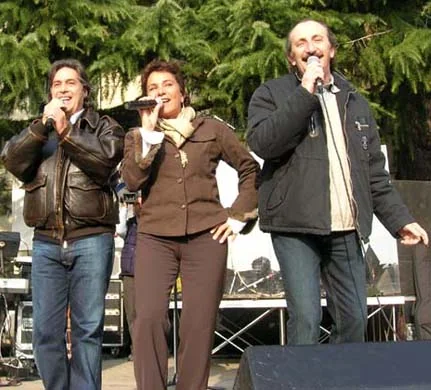
Image from Wikipedia
Image from Wikipedia
Ricchi e Poveri: The Indestructible Pop Icon from Genoa
Italian Pop Between Melody, Nostalgia, and International Cult Status
Ricchi e Poveri are among the longest-lasting and most recognizable pop formations in Europe. The group was founded in 1967 in Genoa and has established itself in the collective musical memory over decades with catchy harmonies, light-hearted schlager charm, and an astonishingly high level of recognition. With hits like Sarà perché ti amo, Mamma Maria, Voulez-vous danser, and Che sarà, the Italian pop group became a cross-generational phenomenon. ([de.wikipedia.org](https://de.wikipedia.org/wiki/Ricchi_e_Poveri))
The Beginnings: Genoa, Ensemble Singing, and a New Name
The formation originally started in 1967 under the name FAMA Medium, consisting of Franco Gatti, Angela Brambati, Angelo Sotgiu, and Marina Occhiena. Their inspiration was drawn from the group aesthetics of the Mamas and the Papas era: multi-part singing, clear melodies, and a pop image that radiates closeness and ease. During an audition in Milan, Franco Califano discovered the band, gave them the final name Ricchi e Poveri, and significantly sharpened the overall concept. ([de.wikipedia.org](https://de.wikipedia.org/wiki/Ricchi_e_Poveri))
The early career path featured competitions and television stages, which were precisely the places where Italian pop shone its brightest in the late 1960s and early 1970s. Their debut at Cantagiro 1968 with L’ultimo amore marked their first public step. Soon after, they achieved a breakthrough at the Sanremo Festival, where the group reached second place in 1970 with La prima cosa bella and ranked high again in 1971 with Che sarà. ([de.wikipedia.org](https://de.wikipedia.org/wiki/Ricchi_e_Poveri))
Career Path: From Festival Success to International Pop Brand
Ricchi e Poveri consistently expanded their music career through Italian television appearances, singles, and albums. In the years following their Sanremo breakthrough, they participated in more festivals and released regular hits, solidifying their position in the mainstream. In 1978, they represented Italy at the Eurovision Song Contest with Questo amore and finished in twelfth place. This performance made the band more visible outside Italy and strengthened their role as an exportable pop group. ([de.wikipedia.org](https://de.wikipedia.org/wiki/Ricchi_e_Poveri))
A particularly significant turning point was Marina Occhiena's departure in 1980. Subsequently active as a trio, Ricchi e Poveri returned to Sanremo in 1981 and scored one of their biggest successes ever with Sarà perché ti amo. The song topped the Italian charts for eight months, became the bestseller of the year, and spread with enormous force in Belgium, France, Austria, Germany, and Spain. The official biography mentions seven million copies sold; the title remains their most internationally recognized trademark to this day. ([ricchiepoveri.com](https://ricchiepoveri.com/biografia))
In the following years, further hits such as Mamma Maria, Voulez-vous danser, and Ciao Italy, ciao amore shaped the group's profile. In 1985, they finally won the Sanremo Festival with Se m’innamoro, a particularly significant moment as it confirmed the band's versatility: Ricchi e Poveri could evoke nostalgia while also successfully embracing the competitive spirit of Italian pop. ([de.wikipedia.org](https://de.wikipedia.org/wiki/Ricchi_e_Poveri))
Discography and Repertoire: Between Studio Albums and Hit Culture
The discography of Ricchi e Poveri tells the story of a group that defined Italian pop not in an academic way, but through popular and immediate means. Their debut album followed the Sanremo success of 1970, and during the 1970s and 1980s, they regularly released new albums and singles. The repertoire is more hit-oriented than album-focused; this structure explains why the band continues to be received across generations through individual songs. ([de.wikipedia.org](https://de.wikipedia.org/wiki/Ricchi_e_Poveri))
After a long break in releases, Ricchi e Poveri made a comeback in 2012 with the new album Perdutamente amore. In 2021, they released Reunion, the first album since 1980 featuring the original lineup; it was produced by DM Produzioni and distributed by Sony Music Entertainment Italy. Already in 2018, the group celebrated over 20 million records sold worldwide with the show 50 ANNI DI... RICCHI E POVERI and boasts a still vibrant, cross-generational fan base. ([ricchiepoveri.com](https://ricchiepoveri.com/biografia))
The Current Phase: A Return to the Spotlight and New Pop Energy
The band's recent phase is characterized by a remarkable revival. At the 2020 Sanremo Festival, Ricchi e Poveri announced their reunion with the original lineup and received a special award for their life's work. In 2021, the album Reunion marked their return as a significant event in a storied pop history. Later, the group faced another tragedy with the passing of Franco Gatti in October 2022. ([de.wikipedia.org](https://de.wikipedia.org/wiki/Ricchi_e_Poveri))
In 2024, Ricchi e Poveri were again at the center of Italian pop events. As a duo, Angela Brambati and Angelo Sotgiu participated in the Sanremo Festival with Ma non tutta la vita and placed 21st. The song was released on February 7, 2024, and was perceived as a dance-oriented, super pop entry that connected to the classic directness of the group. That same year saw the release of another single, Aria, responding to the continuing popularity of their Sanremo comeback. ([de.wikipedia.org](https://de.wikipedia.org/wiki/Ricchi_e_Poveri))
In 2025, the group remains present: An official biography from DM Produzioni describes the year as a continuation of international touring activities, following a highly demanded summer tour cycle in 2024. This phase shows that Ricchi e Poveri do not merely rely on memories but continue to function as a current pop brand with live presence, repertoire maintenance, and new release policies. ([dmproduzioni.com](https://www.dmproduzioni.com/wp-content/uploads/2025/09/BIO-RICCHI-E-POVERI-2025-UK.pdf?utm_source=openai))
Musical Development: From Italo-Pop to Dance Influences
The sound of Ricchi e Poveri thrives on clear melodies, catchy choruses, and a production that always aims for immediate impact. In their early phase, the group combined romantic pop ballads with light, TV-friendly arrangements; later, danceable elements, more rhythm, and international pop codes were added. This mix explains why their songs have remained so enduring in German-speaking regions, Southern Europe, and later in Eastern European markets. ([de.wikipedia.org](https://de.wikipedia.org/wiki/Ricchi_e_Poveri))
Especially interesting is the band's ability to portray nostalgia not as stagnation. Ma non tutta la vita was perceived in 2024 as a fresh dance-oriented title, while the iconic refrains of previous decades remained present as cultural capital. The official band history even describes the musical journey as one that progresses from the TV aesthetics of the 1960s through the psychedelic 1970s, glam elements of the 1980s and 1990s to the modern, glossy pop image of the 2000s. ([ricchiepoveri.com](https://ricchiepoveri.com/index.php?utm_source=openai))
Cultural Influence and Popularity Across Generations
Ricchi e Poveri are more than just a successful pop group; they represent a cultural archive of Italian lightness. Their songs appear in television moments, stadium chants, and international remakes, keeping them visible in the public sphere. In 2023, Sarà perché ti amo experienced a new chart and cultural revival due to its use in AC Milan fan chants, underscoring the song's lasting impact. ([de.wikipedia.org](https://de.wikipedia.org/wiki/Ricchi_e_Poveri))
The band has also been repeatedly described in the music press and retrospectives as one of the defining European pop formations. Monoscopio notes that they have sold more than 20 million records and emphasizes the ongoing presence of their songs as TV signatures and auditory quotes in the collective memory. This blend of mass popularity, melodic clarity, and timeless recognizability constitutes their cultural value. ([monoscopio.tv](https://www.monoscopio.tv/ricchi-e-poveri/))
Reception, Stage Presence, and Timeless Impact
The critical reception of Ricchi e Poveri has always oscillated between respect for their pop sovereignty and acknowledgment of their enormous public appeal. The group does not work with complicated avant-garde but with precise functionality: clear hook lines, harmonious singing, and a stage language that immediately sets things in motion. This is precisely their strength as a live act, as their stage presence lives from familiarity, energy, and collective sing-alongs. ([de.wikipedia.org](https://de.wikipedia.org/wiki/Ricchi_e_Poveri))
The current rediscovery confirms this quality. Reports from Sanremo 2024 highlight that the performance by Angela Brambati and Angelo Sotgiu relied not only on nostalgia but also functioned as a vibrant pop moment. The combination of a new title and classic hits showcases the strength of their repertoire: Ricchi e Poveri blend the historical weight of an evergreen with the direct impact of a current stage act. ([rainews.it](https://www.rainews.it/articoli/2024/02/sanremo-2024-finale-i-ricchi-e-poveri-cantano-ma-non-tutta-la-vita-rivedi-esibizione-2dd3f628-b558-4c78-bdfa-6db18082a880.html?utm_source=openai))
Voices of the Fans
The group's social media presence is clearly verified, especially through their official accounts on Instagram, Facebook, and TikTok. TikTok experienced a significant increase for the account @ricchiepoveriofficial during Sanremo 2024, and the platform even featured Ricchi e Poveri in their official coverage of Sanremo as a particularly successful artist group. This shows that their music continues to reach a young, digital audience and remains relevant in the streaming and short video age. ([newsic.it](https://www.newsic.it/ricchi-e-poveri-a-sanremo-la-reunion-i-testi-e-la-nuova-canzone/))
The response surrounding Ma non tutta la vita was characterized primarily by recognizability, danceability, and emotional connection. Even though public fan comments are not always available as verified original quotes, platform data and reports make it clear that the band has been actively discussed and widely shared online. This mixture of nostalgic adoration and new pop interest keeps the name Ricchi e Poveri alive in conversations. ([newsroom.tiktok.com](https://newsroom.tiktok.com/sanremo-2024-su-tiktok?lang=it-IT&utm_source=openai))
Conclusion: Why Ricchi e Poveri Continue to Fascinate Today
Ricchi e Poveri represent a rare pop promise: simple melodies, deep emotions, and a career that has continually reinvented itself over more than five decades. From Genoa and Sanremo to Eurovision, international charts, and the digital revival, the narrative is one that only a few European acts can tell as comprehensively. Anyone who wants to understand how Italian pop operates between lightness, mass impact, and cultural memory cannot overlook this group. ([de.wikipedia.org](https://de.wikipedia.org/wiki/Ricchi_e_Poveri))
Ricchi e Poveri remain exciting because they do not sound like a museum act but like a living pop story. Their songs are anthems for generations, their stage remains a place of collective joy, and their return to the present proves the durability of a distinctive sound. Those wanting to experience Italian pop in its purest, audience-friendly form should see Ricchi e Poveri live. ([dmproduzioni.com](https://www.dmproduzioni.com/wp-content/uploads/2025/09/BIO-RICCHI-E-POVERI-2025-UK.pdf?utm_source=openai))
Official Channels of Ricchi e Poveri:
- Instagram: https://www.instagram.com/ricchiepoveriofficial/
- Facebook: https://www.facebook.com/RicchiePoveriOfficial/
- YouTube: No official profile found
- Spotify: No official profile found
- TikTok: https://www.tiktok.com/@ricchiepoveriofficial
Sources:
- Ricchi e Poveri - Biography - Official Artist Website
- Ricchi e Poveri - Official website - Official Artist Website
- DM Produzioni - Press Release 2024
- DM Produzioni - Ricchi e Poveri 2025 Bio
- Newsic.it - Ricchi e Poveri at Sanremo the Reunion
- TikTok Newsroom - Sanremo 2024 on TikTok
- Wikipedia - Ricchi e Poveri
- Wikipedia - Ma non tutta la vita
- RaiNews - Sanremo 2024 Finale
- la Repubblica - Ricchi e Poveri at Sanremo 2024
- Monoscopio.tv - Ricchi e Poveri
- Wikipedia: Image and text source
Upcoming Events
Ricchi e Poveri - Live at the Castle Festival